How to Clean Milk and Dairy Spills From Carpet and Upholstery

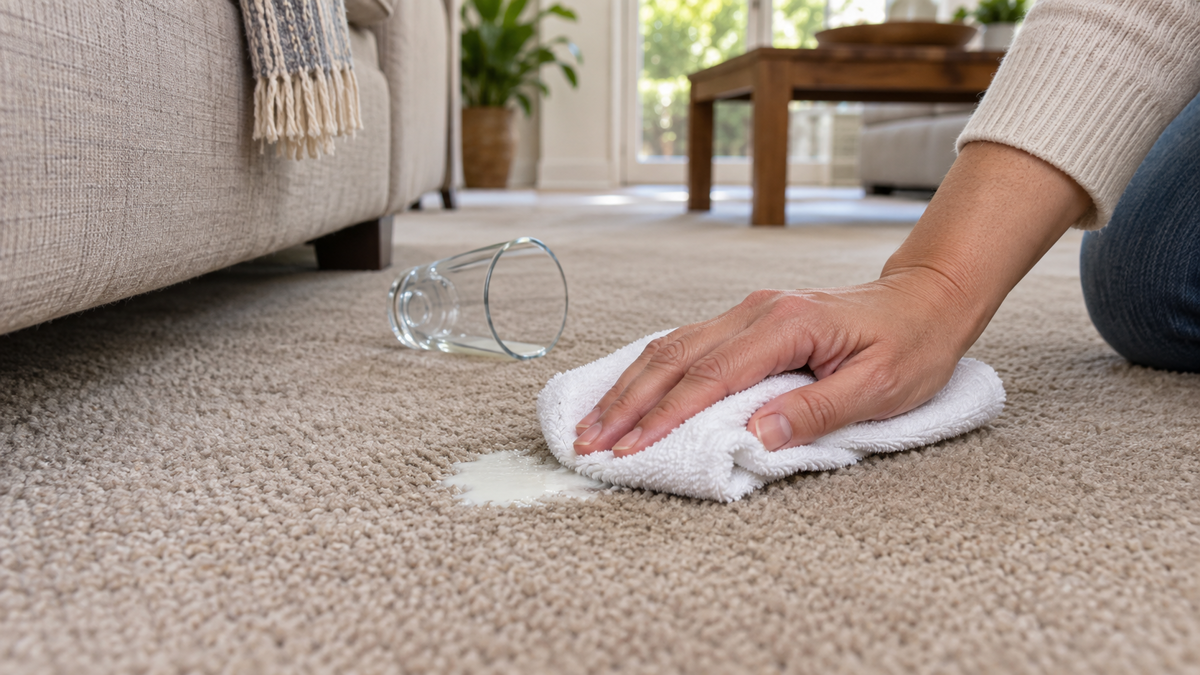
For milk spills on carpet or upholstery, remove thick dairy residue first, then blot liquid from the outside edge toward the center. Work with small amounts of a compatible cleaner, keep the carpet backing or upholstery fill from becoming saturated, and continue transferring residue to clean white material.
Milk, cream, formula, yogurt and ice cream are not identical spills. Sugar, fat, protein, flavoring and color can change what remains after the moisture is gone. The care label or carpet manufacturer’s instructions determine which wet-cleaning method is appropriate.
Quick Answer
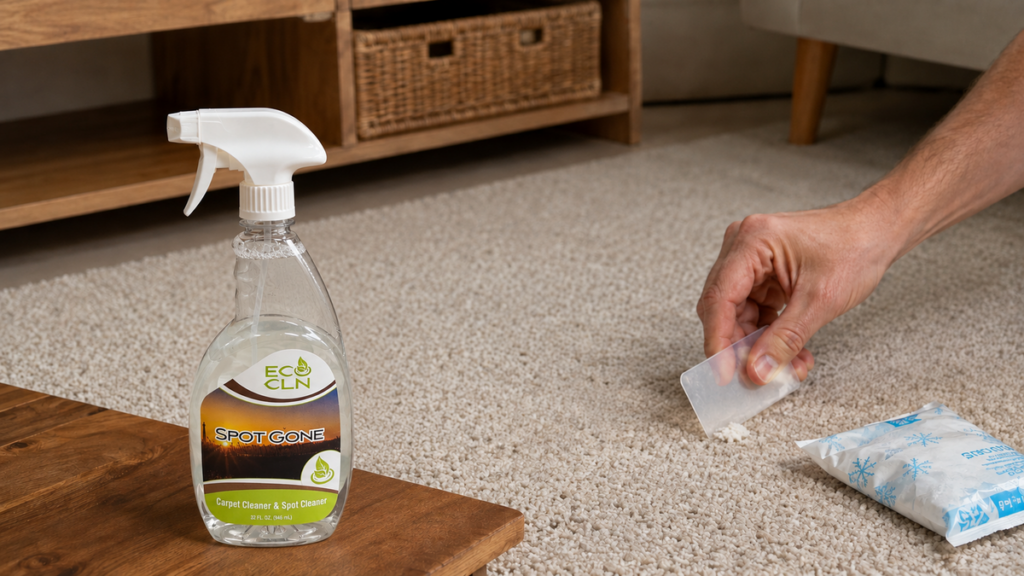
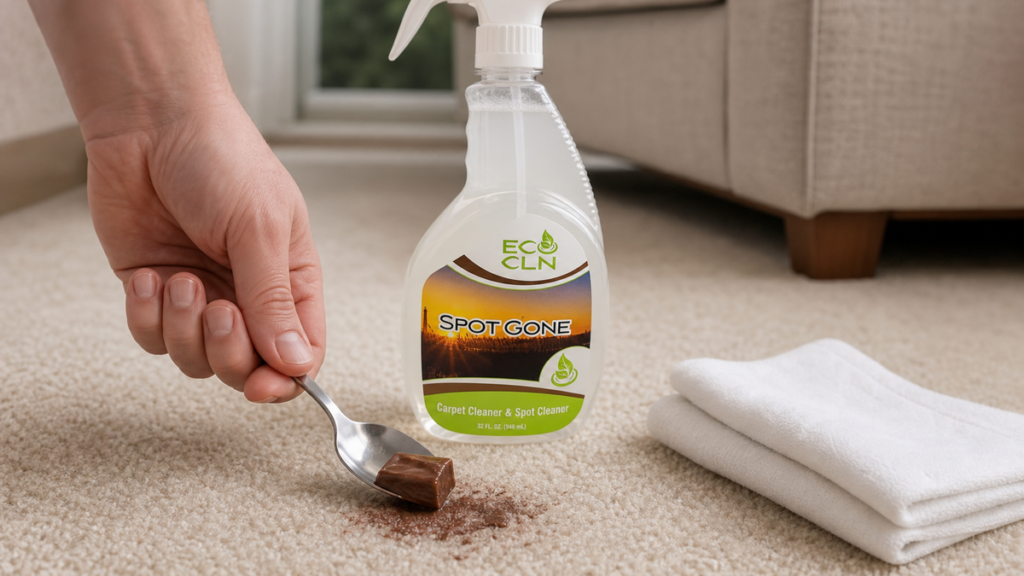
• Lift yogurt, ice cream or curds with a spoon or dull scraper.
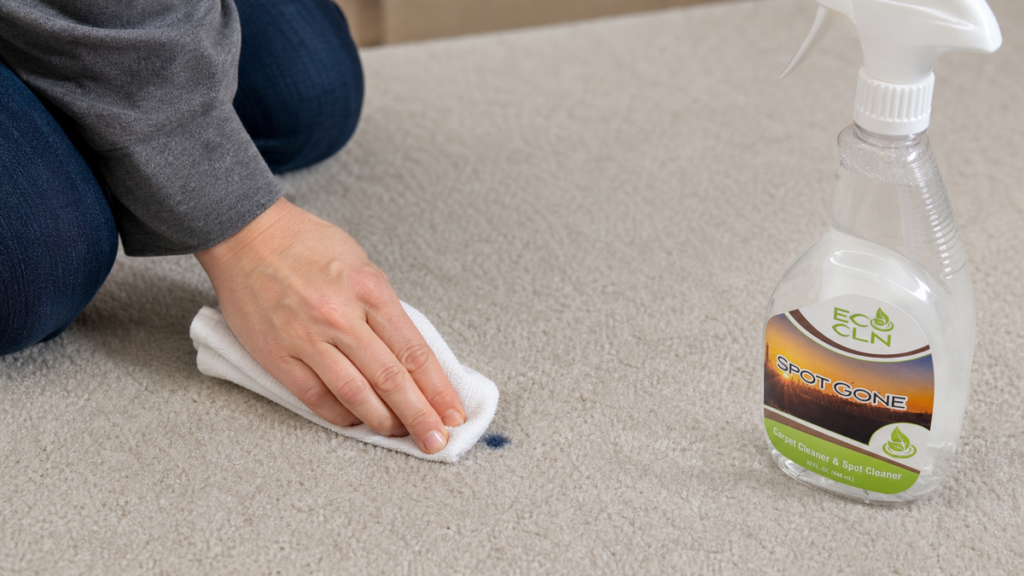
• Blot milk or cream with white absorbent towels; do not rub outward.
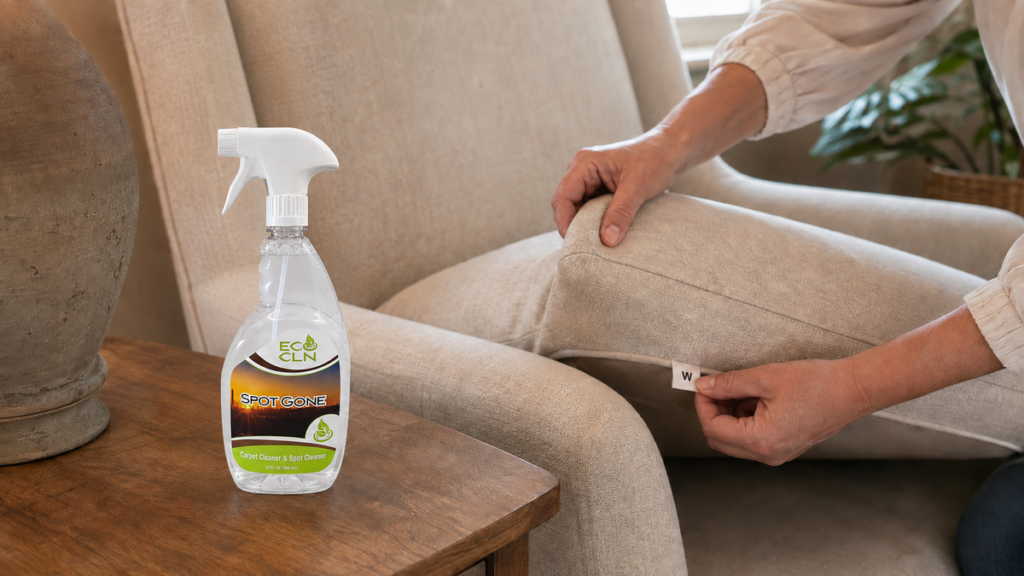
• Check the carpet fiber or upholstery cleaning code.
• Test the cleaner in a hidden area and let it dry.
• Apply a small amount to the affected fibers, not the entire cushion.
• Blot repeatedly with clean towel sections.
• Make any required residue-removal pass with minimal moisture.
• Dry completely and recheck for odor, stiffness, rings or discoloration.
Why Milk Spills Need Prompt, Controlled Cleaning
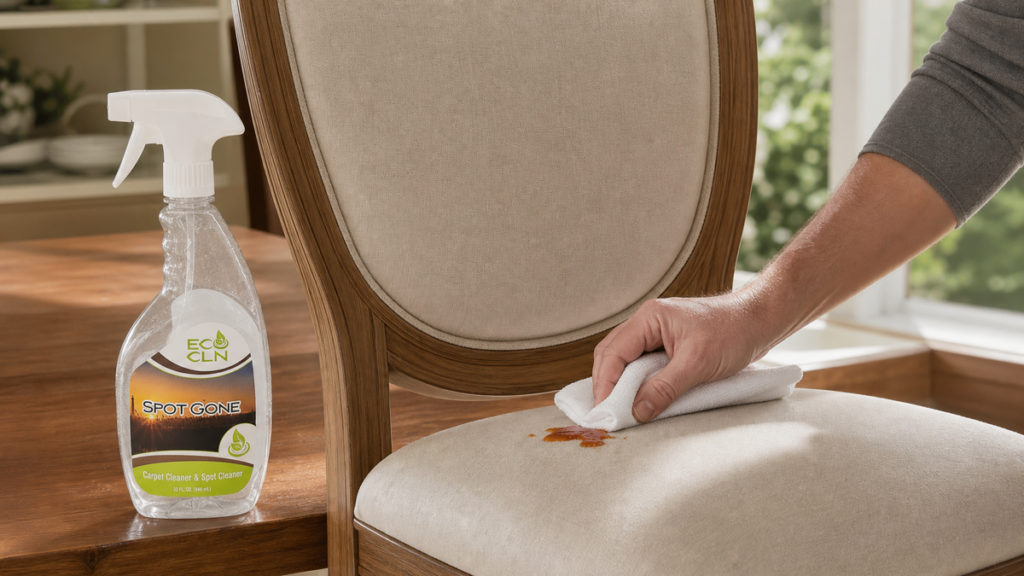
Liquid milk can travel through carpet pile into backing and padding. On a sofa or dining chair, it can pass through the cover fabric into foam, batting, seams and welt cord. A small surface circle may therefore sit above a larger damp zone.
Thicker dairy foods create layers: a visible solid portion, moisture absorbed by the fibers and fatty or sugary residue left behind. Scrubbing spreads that mixture across more fibers. Heavy soaking may make the visible spot look lighter while pushing material deeper, where drying takes longer and odor can return.
Sherwin-Williams’ carpet and flooring stain guide
recommends prompt action and a blotting motion rather than rubbing carpet spots. Those two principles are especially important with dairy.
Identify the Spill and the Material
Plain milk or cream
Blot as much liquid as possible before adding cleaner. Cream and whole milk may leave more oily residue than lower-fat milk.
Yogurt, ice cream or formula
Lift thick material first. Flavors, fruit, chocolate or added color may introduce a second stain that needs separate evaluation after the dairy residue is removed.
Carpet
Check whether the carpet is synthetic, wool, a natural-fiber blend or a specialty rug. Look at the backing and any warranty instructions. Avoid treating a broad traffic lane as part of the spill.
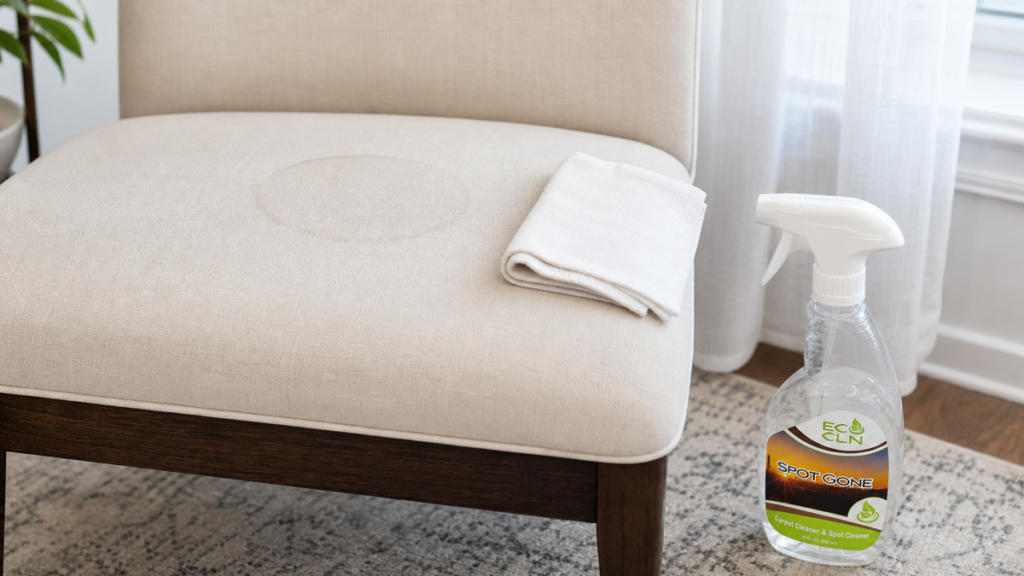
Upholstery
Find the care code if one exists: W, S, WS or X. Water-based cleaning advice does not belong on an S-only or X-coded fabric. Vintage, silk, velvet, unstable dye and unknown fabric deserve professional guidance.
Step-by-Step: Clean Milk From Carpet or Upholstery
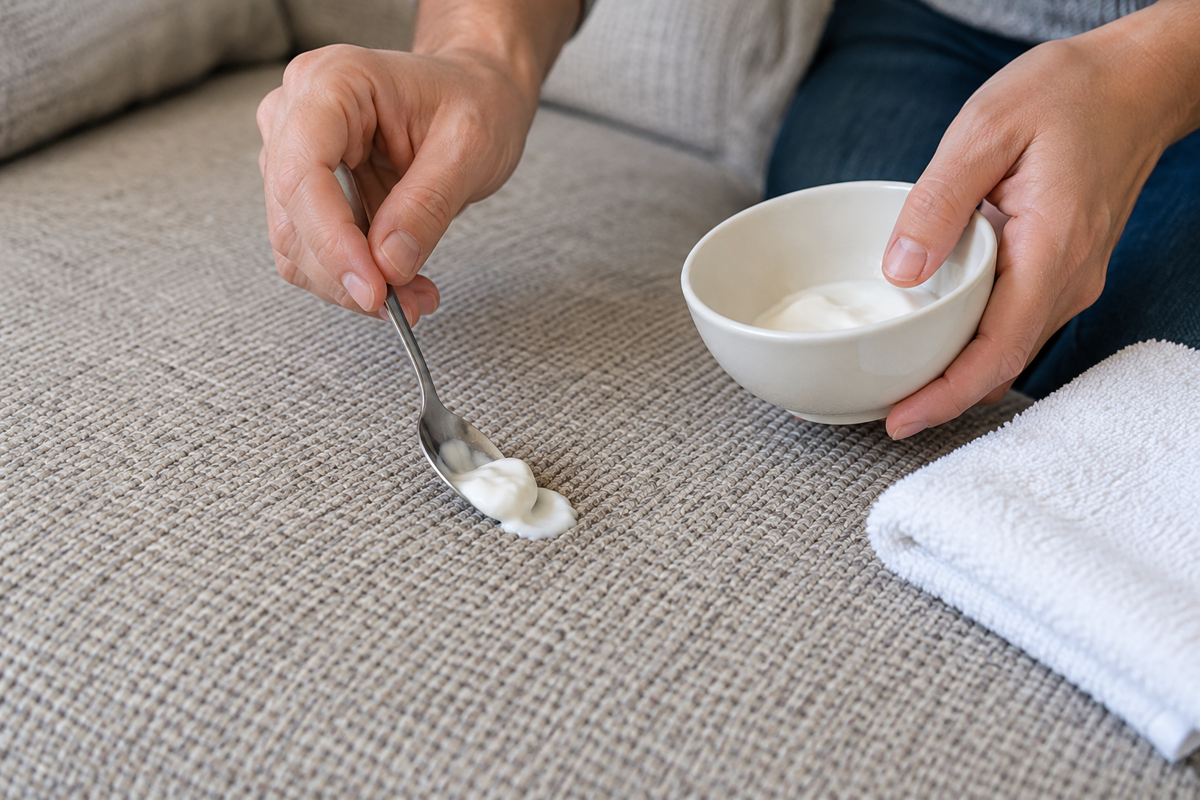
1. Remove thick residue. Lift yogurt, ice cream, curds or softened food with a spoon, dull scraper or disposable card. Work inward so the spill does not spread.
2. Blot free liquid.
Press white absorbent towels onto the spot. Replace them as they become damp and continue until little moisture transfers.
3. Map the damp boundary.
Check the carpet backing, cushion seam, welt cord and area below the visible mark when accessible. Do not dismantle furniture or peel flooring apart.
4. Confirm the cleaning code.
Follow the carpet, rug or upholstery maker’s directions. Stop if the fabric is X-coded, dye transfers during testing or the material is unknown and delicate.
5. Test the product.
Apply a small amount in a hidden area, blot and let it dry. Check for color change, rings, texture change or adhesive movement.
6. Treat the spill in controlled passes.
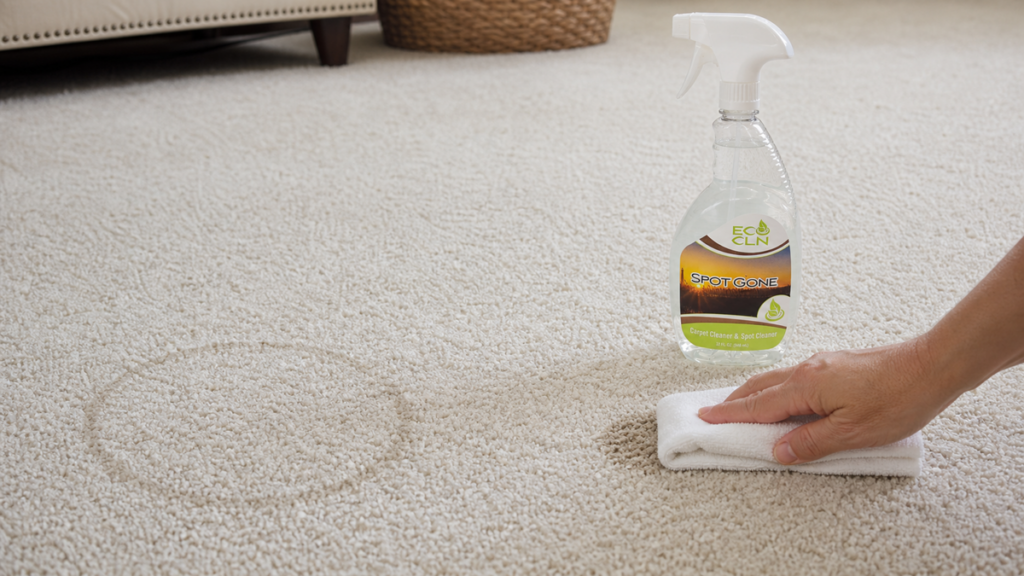
Apply only enough compatible cleaner to contact the affected fibers. Start at the outside boundary and move toward the center.
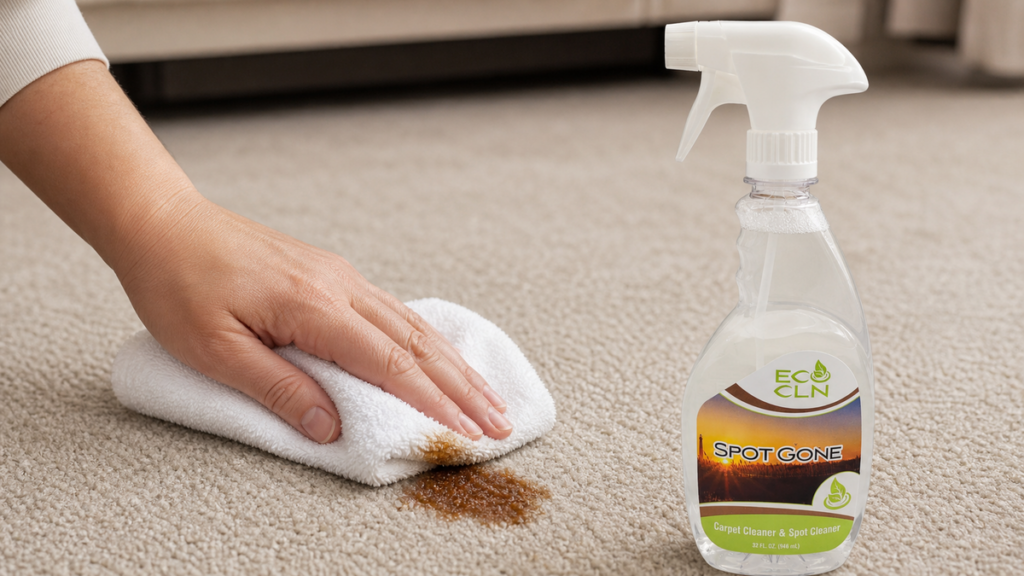
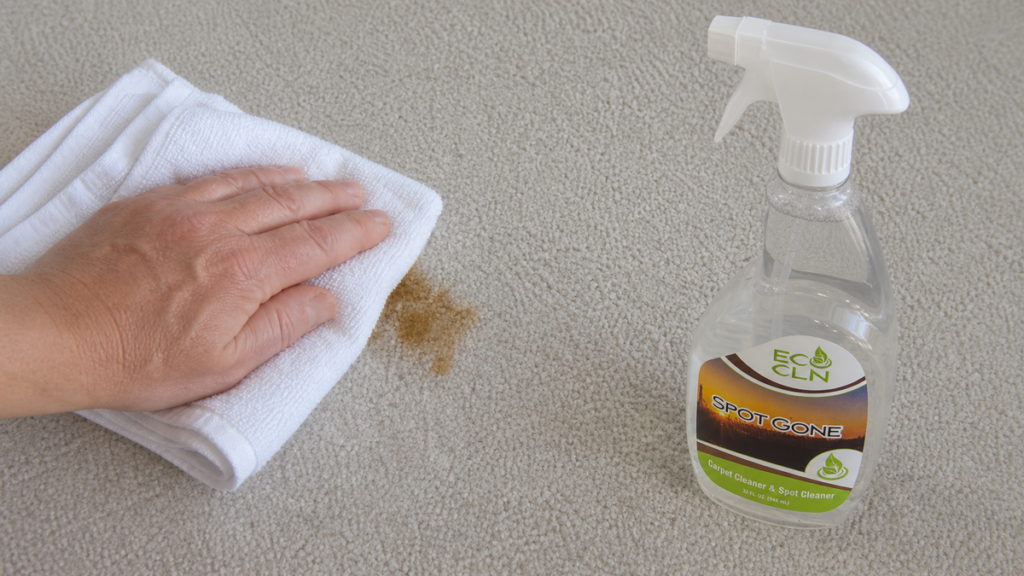
7. Blot to transfer residue.
Press, lift and turn to a clean towel section. Avoid grinding the spill into carpet backing or cushion fill.
8. Remove remaining cleaner when required.
Use the product and material maker’s follow-wipe or rinse method with minimal moisture. Excess rinse water can create its own ring.
9. Dry from both sides when practical.
Promote normal airflow, keep people and pets off the area and allow the inside of a removable cushion to dry before replacing it.
10. Recheck the dry result.
Smell near—not against—the surface and inspect for stiffness, discoloration or a water ring. Treat the evidence, not a still-wet appearance.
Adjust the Method for Carpet Versus Upholstery
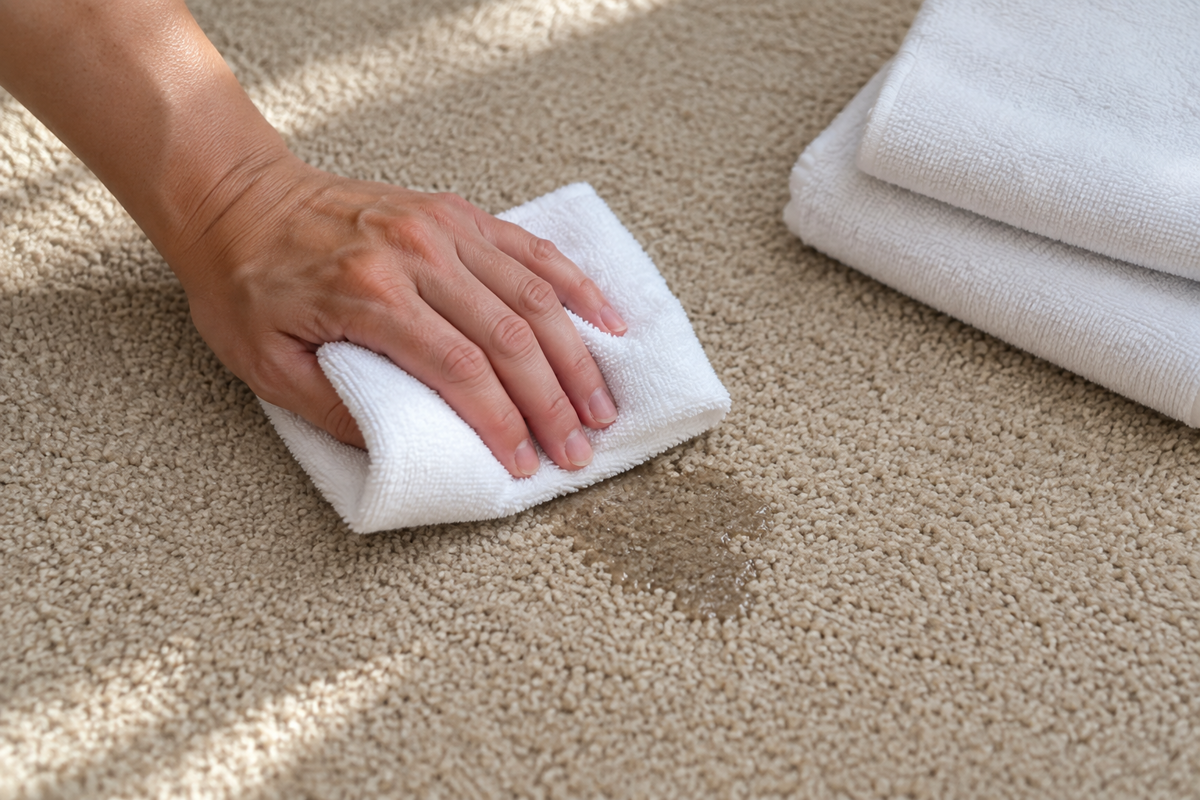
On carpet, keep the cleaned boundary controlled and avoid driving liquid into the pad. If a large quantity reached padding, surface blotting may not reach all of it. A qualified carpet cleaner can evaluate extraction or pad access.
On upholstery, seams and cushion filling slow drying. A removable cover does not automatically mean machine washable; check the label. The guide to chocolate stains on carpet and upholstery
shows how a fatty food stain changes the cleanup, while eco-friendly carpet cleaning tips
cover blotting, testing and moisture control.
Where Eco Cln Spot Gone Fits
is a ready-to-use spot cleaner for compatible carpet, rugs, upholstery and fabric affected by food, beverage, grease, dirt and everyday stains. It fits the targeted surface portion of a milk or dairy spill after bulk material and free liquid have been removed.
Test first, follow the care code and avoid soaking carpet backing or furniture fill. Spot Gone can help work on accessible residue; it cannot guarantee removal from padding, foam or a hidden layer that the product does not reach.
Common Dairy-Spill Cleaning Mistakes
• Rubbing fresh milk outward across dry fibers.
• Adding cleaner before lifting yogurt or ice cream.
• Using water-based methods on S-only or X-coded upholstery.
• Flooding carpet padding or cushion foam.
• Reusing a towel section already loaded with dairy residue.
• Using hot equipment without manufacturer approval.
• Masking odor before the inner material is dry.
• Assuming every remaining shadow is still removable soil.
When Surface Spot Cleaning Is Not Enough
A large carton spill, milk that ran under a carpet edge or dairy absorbed through a seat cushion may need professional extraction or material-specific disassembly. Repeatedly soaking the top can lengthen drying time without reaching the hidden residue.
Stop and get help if dye transfers, fabric browns, adhesive releases, the area stays damp, or odor returns after complete drying. Cleaning cannot repair a permanently changed dye or degraded backing.
Frequently Asked Questions
Does milk permanently stain carpet?
Not always. Prompt blotting and a compatible method improve the odds, but results depend on fiber, dye, dairy type, previous products and how deeply the spill traveled.
Should I use hot water on a milk spill?
Do not improvise with heat. Follow the carpet or upholstery maker’s temperature and cleaning instructions for the exact material.
How do I get sour-milk odor out of upholstery?
Locate the full damp area and let it dry completely after controlled cleaning. Odor that returns may indicate dairy residue in cushion fill or another hidden layer.
Can I clean an X-coded sofa after a milk spill?
X usually means vacuum-only consumer care. Remove surface solids carefully and contact the furniture maker or a qualified upholstery cleaner.
Can Spot Gone reach milk in carpet padding?
Surface application may not reach all liquid in padding or backing. A large or recurring problem may require professional assessment.
The bottom line
Remove dairy solids, blot free liquid and use the smallest effective amount of a material-compatible cleaner. Keep moisture out of backing and cushion fill, then judge the result only after full drying. Spot Gone fits targeted accessible residue, while deeper contamination may require professional care.