
PAWS Pet Accident Cleaner for Urine Odors & Stains
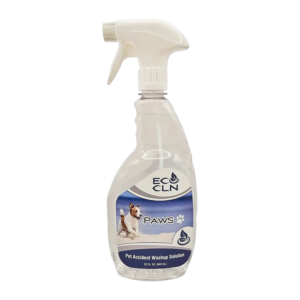
Eco Cln PAWS Pet Accident Cleaner is made for the pet messes that regular surface cleaning often misses: urine odor, organic pet stains, repeat accident spots, pet bedding messes, and odor-prone areas on carpet, rugs, upholstery, and hard floors. Pet accidents are not just about what you can see. Odor-causing residue can settle into fibers, edges, seams, backing, and baseboard gaps.
PAWS is the Eco Cln product to consider when the mess involves pets and odor, especially when plain blotting or wiping leaves the area looking better but still smelling off after it dries.
Quick Answer
PAWS is best for targeted pet accident cleanup involving urine odor, organic stains, carpets, rugs, upholstery, pet beds, sealed hard floors, litter box areas, kennels, and repeat accident zones. Use it after removing solids or blotting excess liquid, then allow the area to dry fully before judging odor.
Use PAWS with control. Do not flood carpet, upholstery, plank seams, baseboard gaps, rug backing, or cushions. Test first on delicate fabrics, rugs, upholstery, and unknown finishes.
What This PAWS Pet Accident Cleaner Is
PAWS is a pet odor and stain cleaner designed for accident-related messes. It is a better fit than a general wipe-down cleaner when the issue involves urine odor, organic residue, or a repeat spot that pets keep returning to.
That distinction matters. A hard-floor puddle may wipe up quickly, but odor can remain along a baseboard edge. Carpet may look clean on top while residue stays lower in the fibers or backing. Upholstery can hold moisture in seams and cushion layers. PAWS fits those odor-prone pet cleanup situations better than a routine surface spray.
Best Uses for PAWS
Use PAWS for:
• pet urine odor on carpet and rugs
• dog or cat accident spots on sealed hard floors
• repeat accident areas near baseboards or corners
• organic pet stains on washable surfaces
• pet bedding and upholstery when the fabric allows wet cleaning
• litter box areas, kennels, and pet spaces
• odor-prone spots that smell again after drying
PAWS is especially useful when you need to treat both the visible mess and the residue that can keep causing odor.
How Pet Odor Behaves on Different Surfaces
Hard floors usually look easier because the liquid sits on top at first. The risk is edge travel. Urine can move into grout, plank seams, baseboard gaps, floor transitions, and the edge under a rug.
Carpet and rugs hold liquid in fibers. If too much cleaner is added, the accident can spread wider or move deeper. Blotting and moisture control matter more than scrubbing.
Upholstery can hold odor in seams, cushion edges, and padding. Always check the care label and test first. If moisture has reached deep cushion material, surface cleaning may improve the area without fully solving odor.
How to Use PAWS
1. Remove solids or blot liquid first. Do not apply cleaner over a pile of loose mess or a fully wet puddle.
2. Identify the full affected area. Check the visible stain, the edge of the spot, nearby baseboards, rug edges, seams, or any area where odor seems strongest.
3. Apply PAWS according to the label. Use enough to contact the affected area, but do not flood the material.
4. Let it work on the affected area. Odor-causing residue needs contact time. Do not rush straight to heavy scrubbing.
5. Blot, wipe, or clean according to the surface. Carpet and upholstery need blotting. Hard floors need careful wiping and drying, especially near seams or trim.
6. Let the area dry fully. Pet odor can be hard to judge while a surface is still damp.
7. Repeat only if needed. Older or heavier odors may need another controlled application.
Where to Use PAWS
PAWS can be used on many pet accident areas when the surface allows it, including:
• carpet
• area rugs
• upholstery
• pet beds
• sealed tile
• sealed vinyl
• sealed hard floors
• litter box areas
• kennels
• corners and repeat accident zones
Always follow the label and surface care instructions.
Where to Test First or Avoid
Test first on delicate or specialty fabrics, antique rugs, wool, dry-clean-only upholstery, unsealed stone, raw wood, unfinished materials, and any surface sensitive to moisture.
Do not oversaturate carpet backing, rug edges, cushions, baseboard gaps, plank seams, or floor transitions. If odor has reached padding, subfloor, unfinished wood, or deep cushion material, surface cleaning may only improve the problem.
How PAWS Compares to Spot Gone
Use PAWS when the mess is pet-related and odor is part of the issue. That includes urine, organic pet accidents, repeat spots, pet bedding, kennels, and odor-prone areas.
Use Spot Gone when the mess is a general spot or stain, such as food, grease, mud, dirt, beverage spills, or everyday carpet and upholstery marks.
If the problem is pet urine odor, PAWS is the more targeted fit. If the problem is a coffee spot, sauce drip, muddy footprint, or grease mark, Spot Gone is usually the better match.
Use Citrus Concentrate for broad multi-surface cleaning when the mess is not pet-related and odor is not the main issue.
Where Bubble Up Technology Fits
Eco Cln describes Bubble Up Technology as helping lift residue so it can be removed rather than spread around. For pet accident cleanup, that matters because the visible stain is often only part of the problem. The goal is to remove odor-causing residue from the affected area, not just cover the smell.
Good technique still matters: remove solids, blot liquid, apply with control, allow contact time, blot or wipe correctly, and let the area dry fully.
Frequently Asked Questions
What is PAWS best used for?
PAWS is best for pet accident cleanup involving urine odor, organic pet stains, repeat accident areas, pet bedding, carpets, rugs, upholstery, sealed hard floors, kennels, and litter box areas.
Does PAWS remove pet urine odor completely?
PAWS is designed to help break down odor-causing pet residues instead of simply covering the smell. Older, heavy, repeated, or deeply absorbed urine may need repeated treatment or deeper cleaning depending on how far the accident traveled.
Can I use PAWS on carpet?
Yes, when used as directed. Blot first, apply with control, avoid over-wetting, and let the carpet dry fully before judging odor.
Can I use PAWS on hard floors?
Yes, on appropriate sealed hard floors when used as directed. Watch edges, baseboards, grout, and plank seams because urine can travel into gaps.
Is PAWS safe around pets and kids?
Use PAWS according to label directions and allow treated areas to dry fully before pets or children return to the surface.
What if the odor comes back after cleaning?
A returning odor often means residue remains deeper in carpet backing, padding, seams, baseboard edges, rug backing, or another absorbent area. Recheck the full affected area and repeat a controlled treatment if appropriate.
Should I use PAWS or Spot Gone for pet stains?
Use PAWS when the stain is pet-related and odor is part of the problem. Use Spot Gone for non-pet food, grease, mud, dirt, and everyday carpet or upholstery stains.
The Bottom Line
Eco Cln PAWS is the pet-specific cleaner in the Eco Cln lineup. Use it when the mess involves urine odor, organic pet stains, repeat accident spots, pet bedding, carpet, rugs, upholstery, kennels, or sealed hard-floor pet cleanup. The best results come from removing loose mess first, controlling moisture, treating the full affected area, and letting the surface dry fully.