How to Remove Chewing Gum From Carpet Without Damaging the Fibers

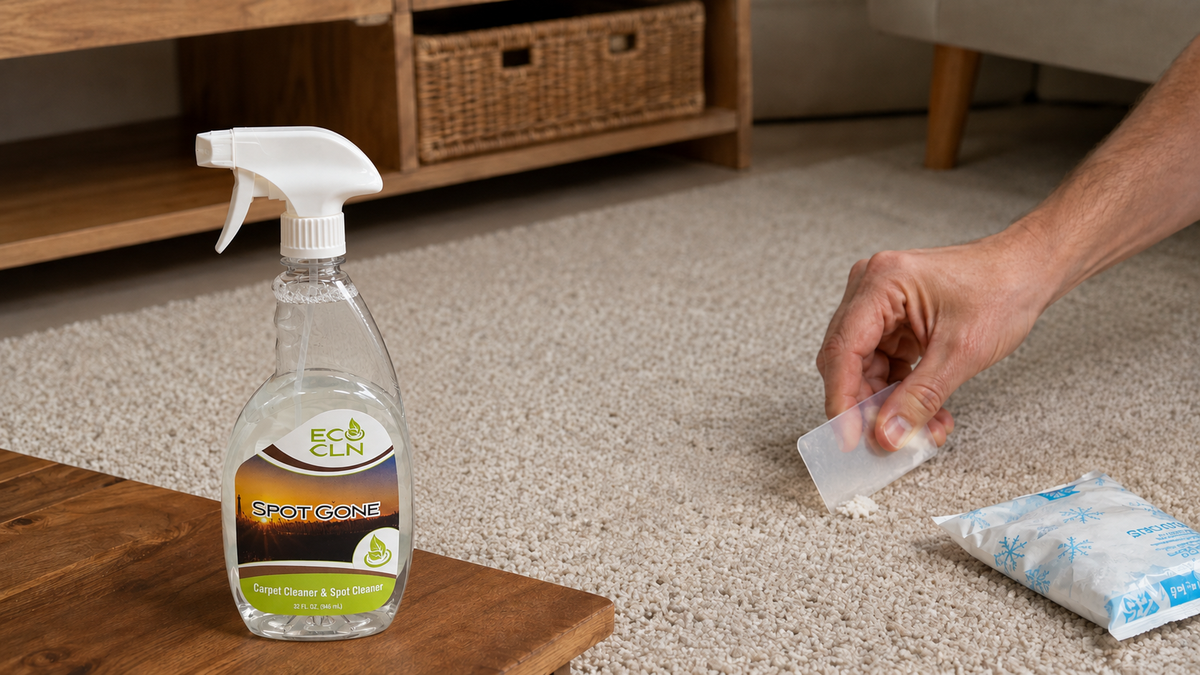
The safest way to remove chewing gum from carpet is to harden the gum, lift off as much solid material as possible and treat only the sticky film that remains. Do not start with hot water, a hair dryer or aggressive rubbing. Heat softens gum and can drive it farther down the yarns, while scraping with a sharp blade can cut the carpet pile.
Work slowly from the outside of the gum toward its center. The job is finished only after the residue is removed, the treated fibers are dry and the pile has been gently reset.
Quick Answer
• Place ice in a sealed bag and hold it against the gum until the mass becomes firm.
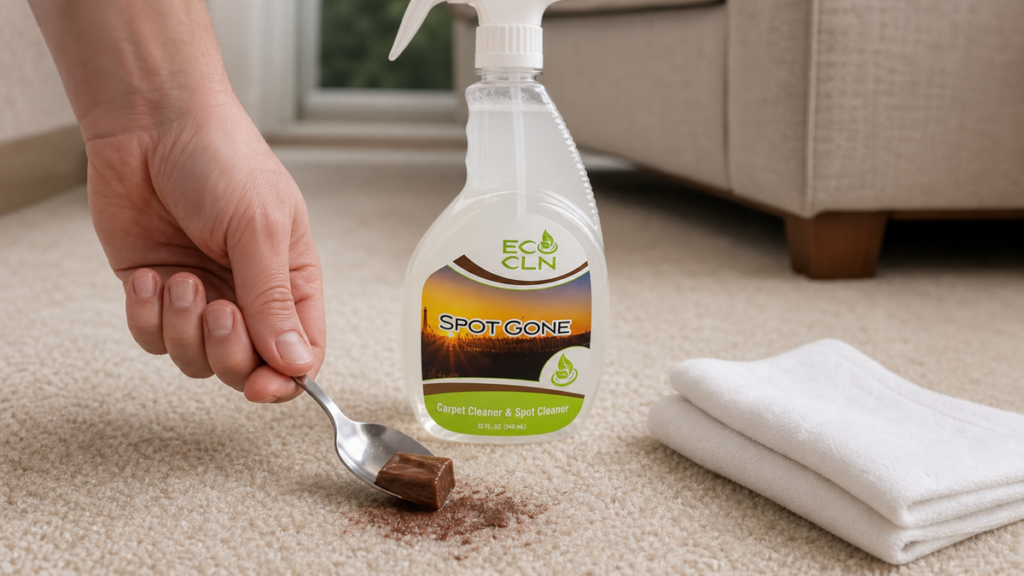
• Break or lift the hardened gum with a dull plastic spoon or scraper.
• Pick out small fragments with clean fingers or blunt tweezers without pulling carpet yarns.
• Check the carpet maker’s instructions and spot-test before treating the sticky residue.
• Blot the residue from the outside inward, dry fully and vacuum to restore the pile.
Why Gum Is Easy to Spread Through Carpet
Chewing gum behaves differently from a liquid stain. It wraps around individual yarns, bridges neighboring tufts and collects grit as people step on it. On loop pile, the gum may surround an entire loop; on plush cut pile, it can stretch into many fine strands. Pressing downward or wiping sideways increases the number of fibers involved.
Temperature changes the problem. Warm gum becomes elastic and smears. Very cold gum becomes brittle enough to lift in pieces. That is why solid removal comes before spot cleaner. A cleaning product is more useful on the thin tacky film left after most of the gum is gone than on a thick wad still wrapped around the pile.
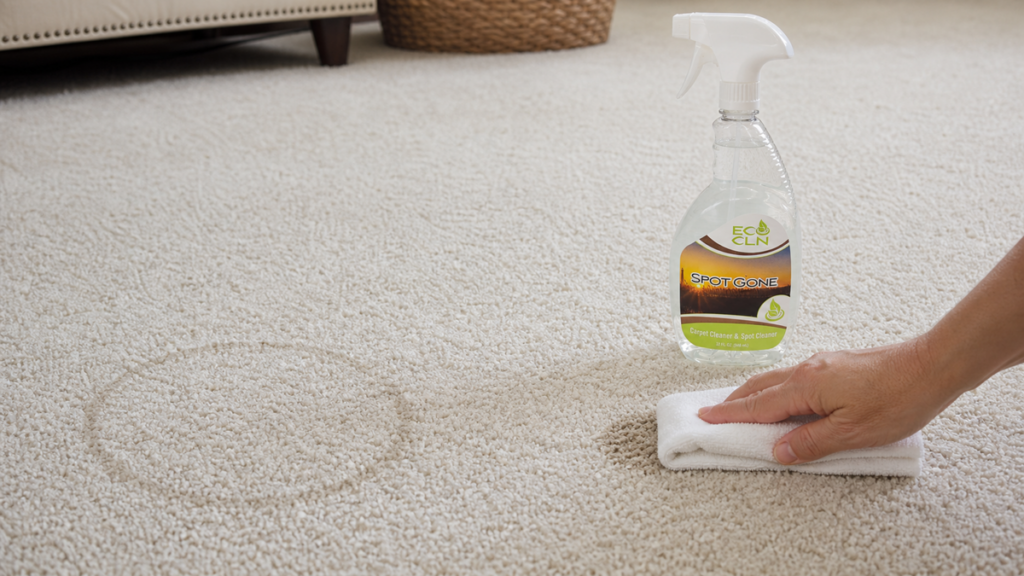
Carpet construction matters too. The visible yarns sit above a primary backing, adhesive and often a secondary backing. Saturating a small gum spot can spread residue below the pile or create a ring larger than the original mark. The Carpet and Rug Institute recommends prompt, controlled blotting and testing in its stain-removal guidance, principles that also apply after the solid gum has been lifted.
Tools to Use—and Tools to Avoid
Use a sealed bag of ice, clean white towels, a dull plastic spoon or flexible plastic scraper, blunt tweezers and a vacuum with a suitable carpet attachment. A small comb made for carpet grooming may help after drying if the manufacturer permits it.
Avoid razor blades, steak knives, metal putty knives and scissors. A sharp tool can remove yarn tips before you realize it. Skip direct application of ice or loose cubes; melting water can spread through the carpet. Do not use an iron or hair dryer because heat may melt synthetic fibers as well as soften the gum.
Household oils and oily spreads can loosen gum but create a second stain that is often harder to remove. Solvents also carry fiber, backing, dye and ventilation risks. Use only a method approved for the carpet and follow its directions.
Step-by-Step: Remove Chewing Gum From Carpet
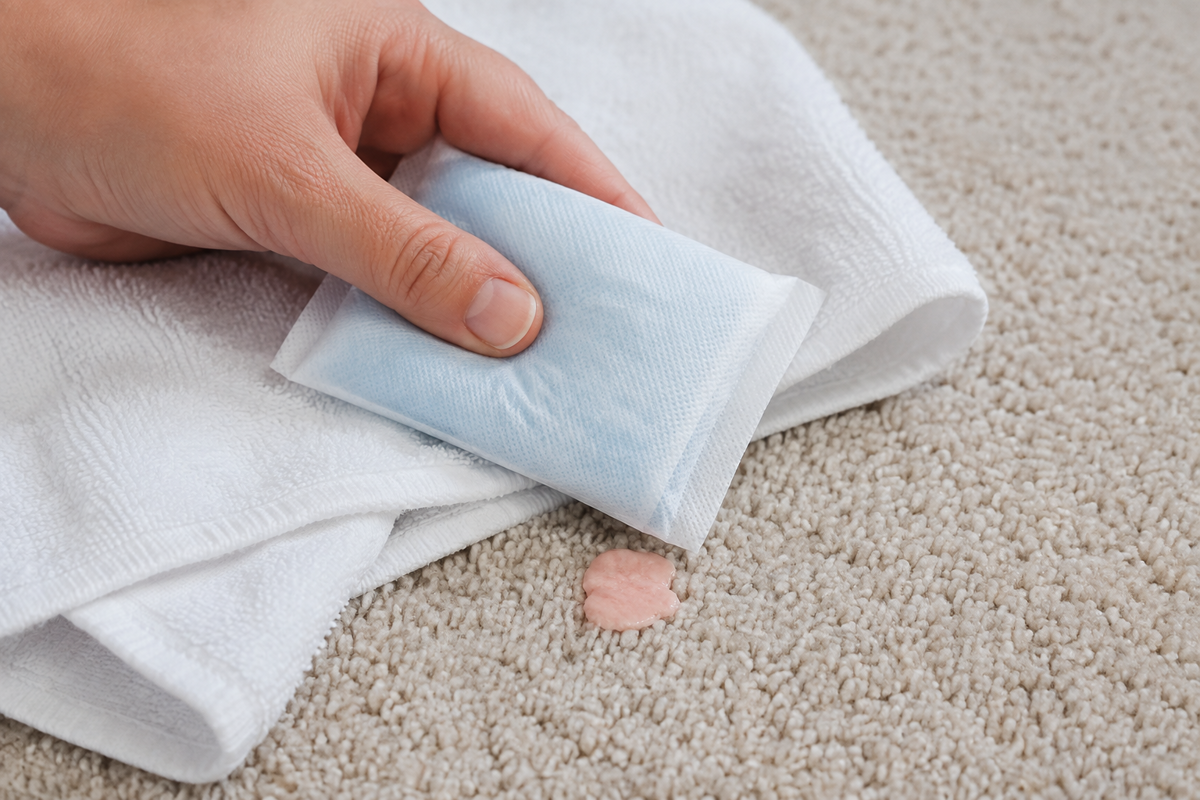
1. Protect the area from foot traffic. Keep shoes, children and pets away so the gum is not pressed deeper or tracked to another part of the room.
1. Cool the gum in a sealed bag. Put ice cubes in a leak-free plastic bag, remove excess air and hold the flat side on the gum. Do not rub. Wait until the whole mass feels firm rather than merely cold on top.
1. Lift the outer edge with a dull tool. Slide a plastic spoon or scraper under one edge while supporting nearby carpet with your other hand. Work toward the center in short movements. If the gum stretches, stop and chill it again.
1. Remove fragments without pulling yarns. Pick off brittle pieces with fingers or blunt tweezers. On loop pile, do not tug at any strand that appears to be part of the carpet loop. Reapply the ice bag as needed.
1. Inspect the remaining residue. Brush the fibers apart gently and use side lighting. If only clean carpet remains, skip wet treatment. If a tacky film still grabs the fibers, continue with a compatible spot-cleaning step.
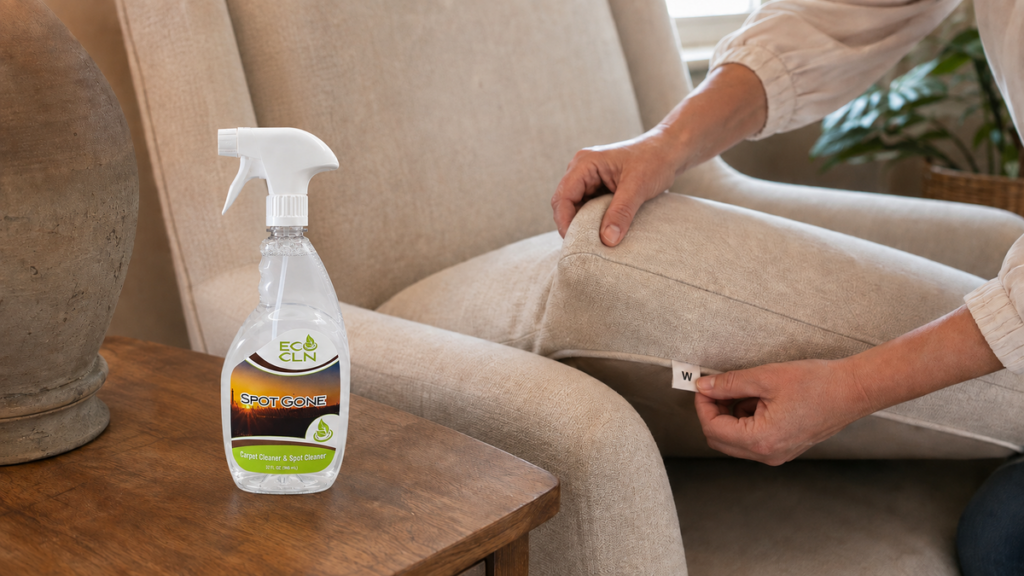
1. Spot-test the selected cleaner. Review the carpet and product instructions. Test in a hidden area for color transfer, texture change or backing reaction, and let the test dry before treating the gum spot.
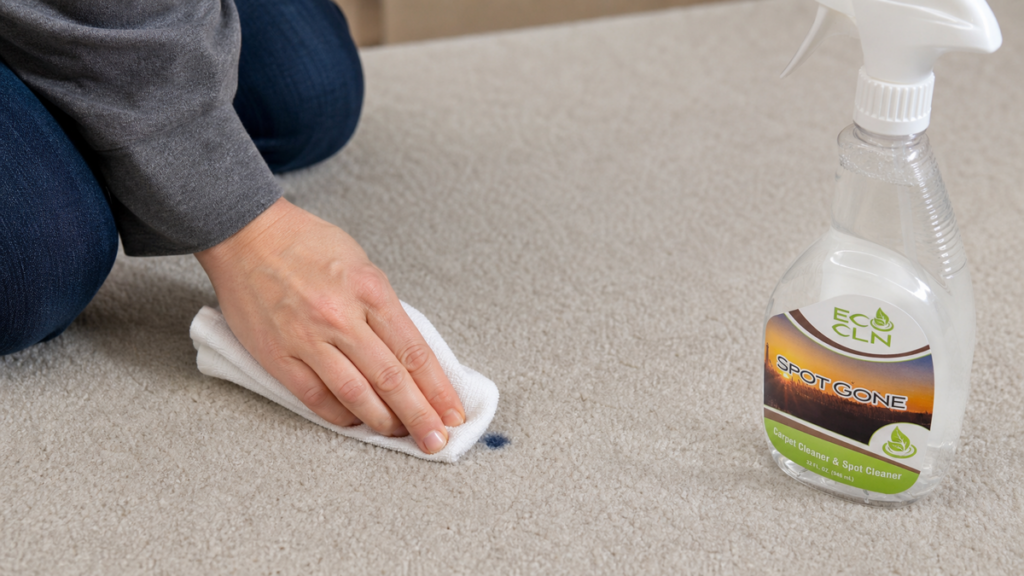
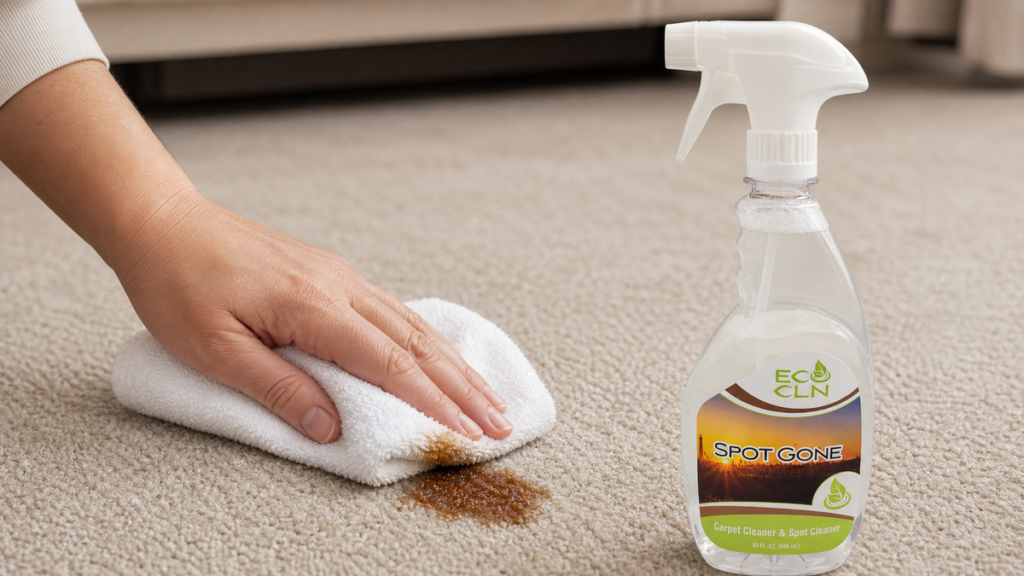
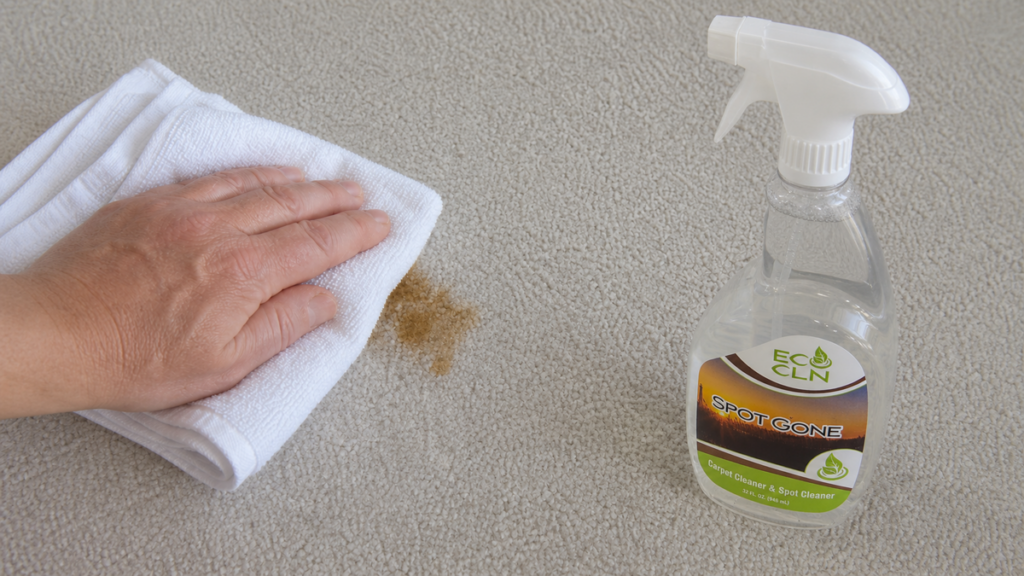
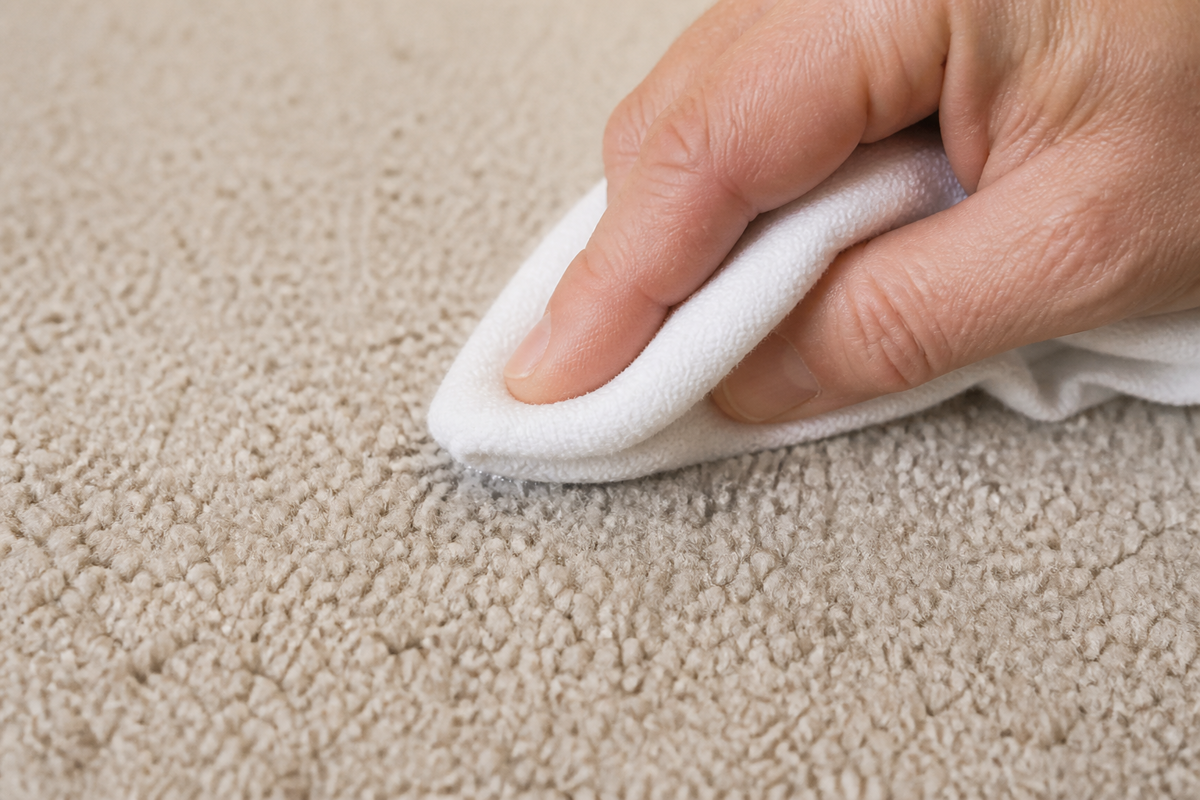
1. Blot the sticky film in small passes. Put a controlled amount of cleaner on a white cloth or apply it as directed. Press from the outer edge toward the center, turning the cloth as residue transfers. Do not scrub back and forth.
1. Remove remaining product and dry. Make any follow-wipe required by the directions, then blot with a dry towel. Keep the area uncovered with normal airflow until it is completely dry.
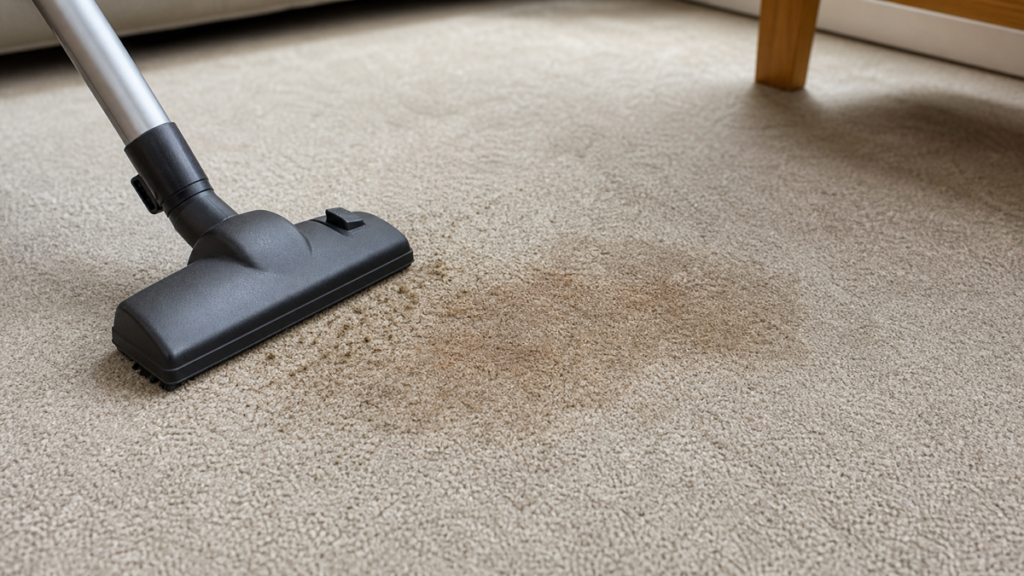
1. Reset the carpet pile. Once dry, vacuum gently in more than one direction. If the manufacturer permits grooming, lift compressed yarns with a carpet-safe tool rather than pulling them by hand.
Adjust the Method for Different Carpet Styles
Loop pile: Be especially careful with scraping and tweezers. Cutting or pulling one loop can create a visible run. Work beside the loop, not through it.
Plush or Saxony carpet: Gum can split into many thin strings. Repeat the chill-and-lift cycle rather than trying to remove the whole mass in one pull.
Berber-style carpet: The low, tight construction may hold the gum close to the backing. Avoid forcing a tool downward between rows.
Wool or specialty fibers: Use only the care method approved by the carpet maker. When compatibility is unclear, solid removal followed by professional treatment is safer than product experimentation.
Area rugs: Check the rug label and protect the floor below. Gum or cleaning moisture can pass through an open weave and affect wood or stone underneath.
Where Eco Cln Spot Gone Fits
After the hardened gum has been physically removed, Eco Cln Spot Gone can be considered for the leftover sticky mark on compatible carpet. Its role is the residue stage—not melting or dissolving a thick piece of gum. Test first and use a small amount so the treated zone does not become larger than the original spot.
For broader product and carpet-use context, read the Spot Gone stain-remover guide. If an old gum spot has already collected soil and hardened unevenly, the process in this old carpet stain guide can help with the dry-debris and final-inspection stages.
Common Gum-Removal Mistakes
• Pulling warm gum upward and stretching it across clean fibers.
• Putting loose ice directly on the carpet and adding meltwater.
• Using oil, peanut butter or another greasy material that leaves a new spot.
• Cutting the carpet pile with a razor or scissors.
• Scrubbing residue in circles instead of blotting it inward.
• Applying cleaner before most of the solid gum is gone.
• Covering the damp area, which slows drying and can hide a returning ring.
When to Stop and Call a Carpet Professional
Get help when the gum covers a large area, reaches the backing, is embedded in valuable wool carpet or has been melted with heat. Professional help is also sensible if the carpet transfers color during testing, the pile begins to fuzz or a previous home remedy left an oily halo.
Do not keep repeating wet treatment when the area becomes larger or darker. Let it dry, record the products already used and give that information to the cleaner. If the spot disappears while wet but returns after drying, review why carpet stains come back before adding more product.
Frequently Asked Questions
How long should ice stay on chewing gum in carpet?
Keep the sealed ice bag in place until the gum feels firm through its full thickness. Check every few minutes and prevent condensation from dripping onto the carpet.
Can I cut gum out of the carpet?
Cutting can leave a permanent low patch or unravel a loop. Use repeated chilling and a dull lifting tool; ask a professional about trimming only if removal cannot protect the yarns.
Will hot water remove chewing gum?
Hot water can soften gum and spread it through more fibers. Harden and lift the solid material first, then treat only the remaining residue with a compatible method.
Can Spot Gone remove the whole piece of gum?
Physical removal should come first. Spot Gone may fit the remaining sticky mark on compatible carpet after the hardened gum has been lifted and the product has passed a hidden-area test.
Why is the carpet still sticky after the gum is gone?
A thin gum film or residue from a previous remedy may remain. Inspect the dry fibers closely, then use a controlled compatible spot treatment rather than soaking the pile.
The bottom line
Harden chewing gum before touching it, lift it with a dull plastic edge and repeat until only a thin residue remains. Spot-test before treating that residue, blot instead of scrubbing and let the carpet dry fully. This order protects the pile and keeps a small gum problem from becoming a large sticky stain.