How to Remove Candle Wax From Carpet Without Spreading the Stain


To remove candle wax from carpet without spreading it, let the wax harden, break up the raised deposit and lift the pieces with a rounded spoon or dull edge. Vacuum the loosened fragments before treating any remaining oily or colored mark. Physical removal comes first; carpet spot cleaner is for compatible residue after the bulk wax is gone.
Do not rub warm wax into the pile or reach automatically for a hot iron. Uncontrolled heat can drive melted wax toward the backing, spread candle dye and damage heat-sensitive synthetic fibers.
Quick Answer
• Keep people and pets off the spot and let warm wax become firm.
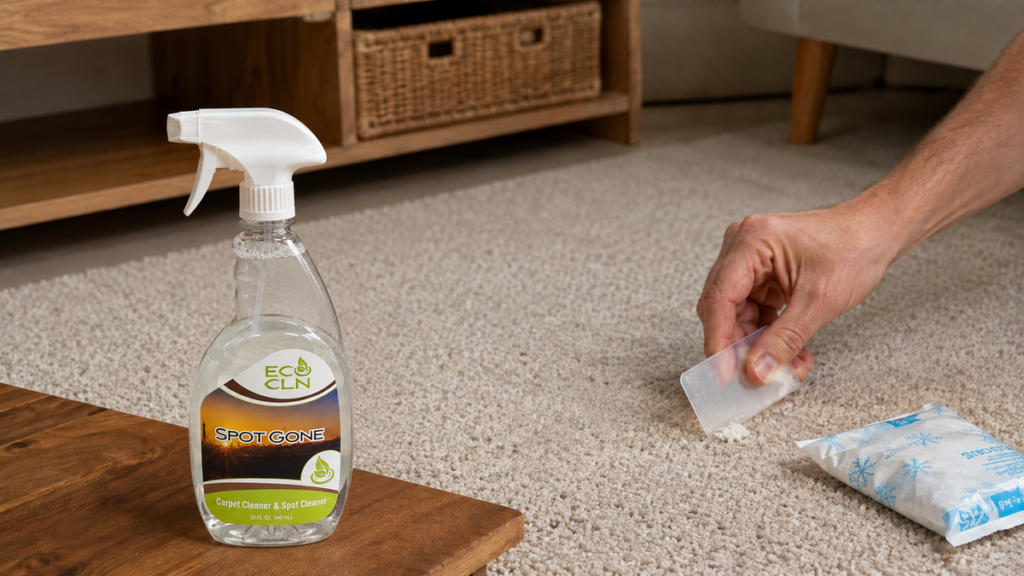
• Use a sealed ice pack briefly if cooling is needed; do not soak the carpet.
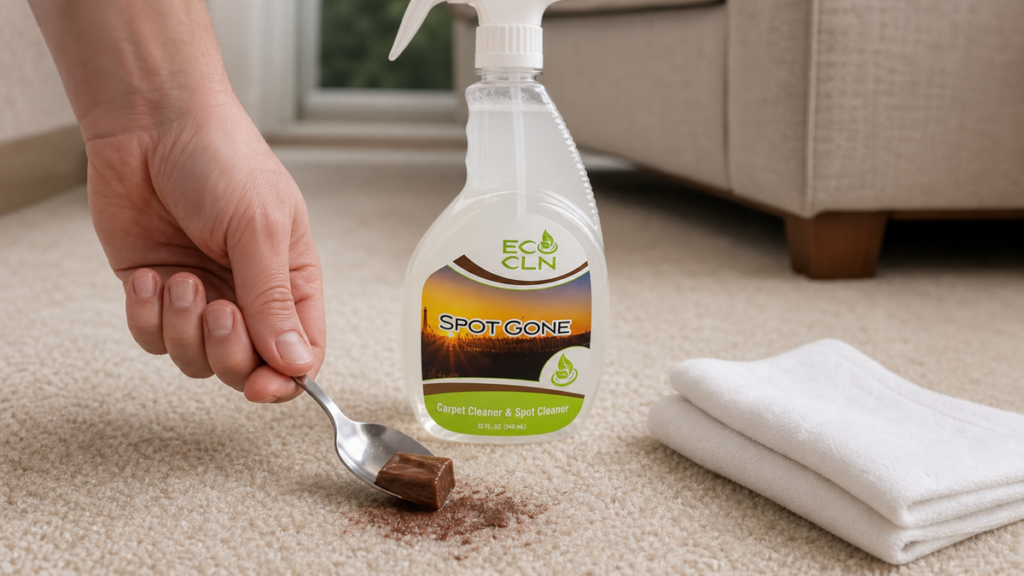
• Flex the carpet gently and lift hardened wax with a rounded spoon.
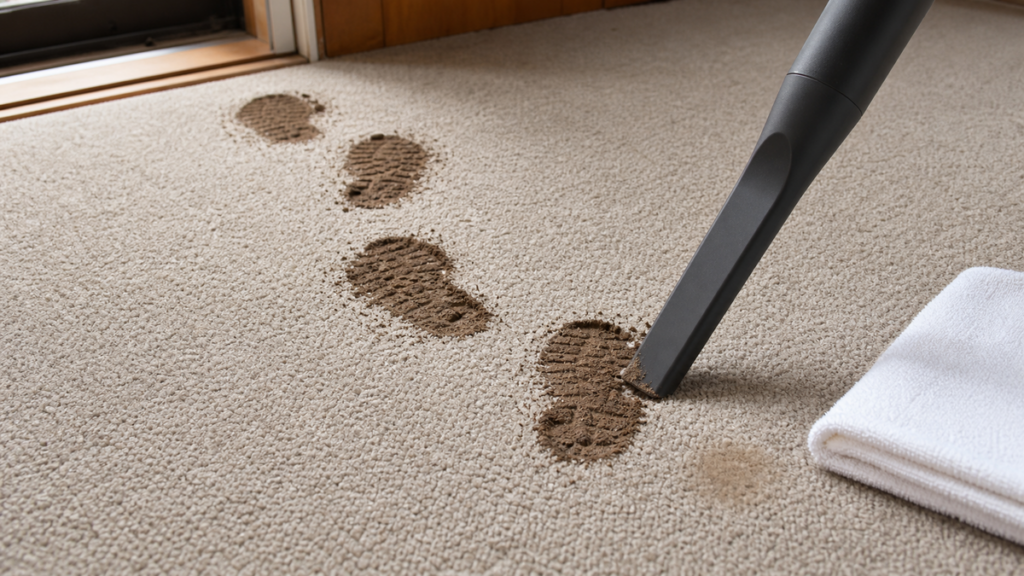
• Vacuum loose chips through a hose attachment without grinding them into the pile.
• Test a compatible spot cleaner before treating leftover oil or candle color.
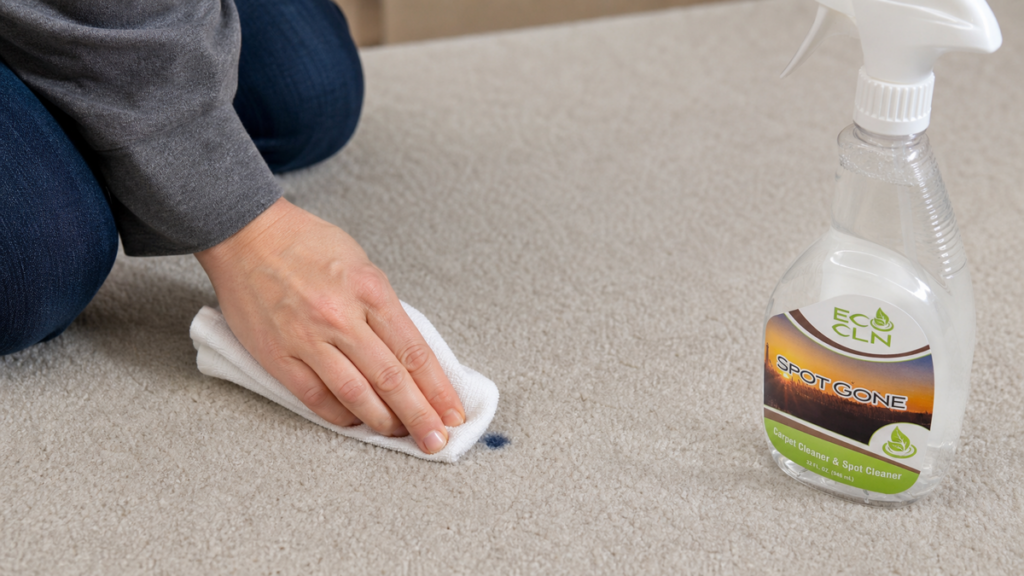
• Blot from the outside inward, use little moisture and dry the carpet fully.
Candle Wax Can Leave More Than One Spot

A candle spill may contain a hard wax deposit, oily carrier residue and colorant. Each part behaves differently. Scraping can remove the brittle mass, but a red, blue or scented candle may leave color or oil on the fiber after the wax itself has lifted.
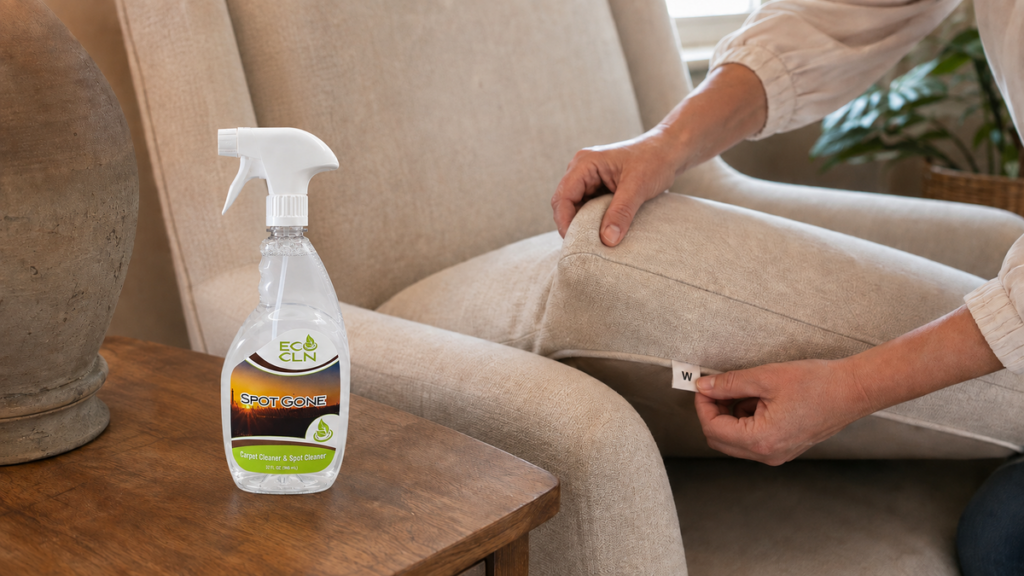
Pile construction matters too. Dense loop carpet can trap wax between loops, while cut pile lets wax surround individual tufts. Wool, solution-dyed synthetic carpet, natural-fiber rugs and patterned area rugs do not share one cleaning limit. Check the carpet or rug maker’s instructions before adding a product or heat.
The Carpet and Rug Institute’s wax spot guidance emphasizes lifting semi-solids, breaking up solids, vacuuming and pretesting spot treatments. That sequence helps keep the original dime-sized drip from turning into a dinner-plate-sized wet mark.
What You Need Before Removing the Wax
Gather a sealed cold pack or bag of ice, a rounded spoon or dull plastic edge, a vacuum hose attachment, white absorbent cloths and a dry towel. White cloths show whether candle dye or carpet color is transferring.
Check the carpet label and warranty. For an area rug, also identify the fiber and backing and protect the floor beneath it. Avoid knives, razor blades and metal edges that can cut fibers. Do not mix stain removers or solvents, and do not use a solvent unless the carpet manufacturer and product directions specifically support it.
Step-by-Step: Remove Candle Wax From Carpet
1. Let the spill harden. Do not blot or scrub liquid wax. Keep traffic away and wait until the deposit is firm enough to lift without smearing.
1. Cool stubborn soft wax carefully. Rest a sealed cold pack over the wax for a short period. Keep condensation contained so the carpet and backing do not become wet.
1. Crack the raised deposit. Gently flex the carpet or press the rounded edge of a spoon against the hardened wax. Work in small sections without sawing through loops or scraping the backing.
1. Lift pieces from the outside inward. Pick up loose chips as they release. Start at the outer boundary so fragments are not pushed into clean carpet.
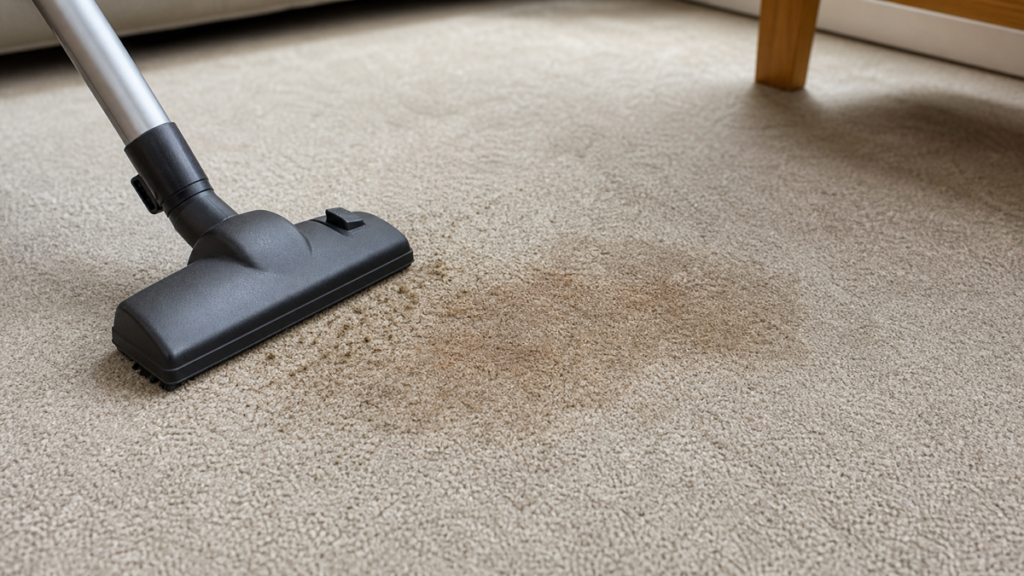
1. Vacuum the remaining crumbs. Use a hose attachment with light control. Avoid a rotating brush that could spread soft fragments or pull a damaged loop.
1. Inspect the fibers in good light. Separate the pile with your fingers or a blunt comb approved for the carpet. Decide whether what remains is solid wax, oily residue or color.
1. Test any residue treatment. In a hidden area, apply the intended compatible spot cleaner exactly as planned. Check the dry test for dye transfer, changed texture or a light ring.
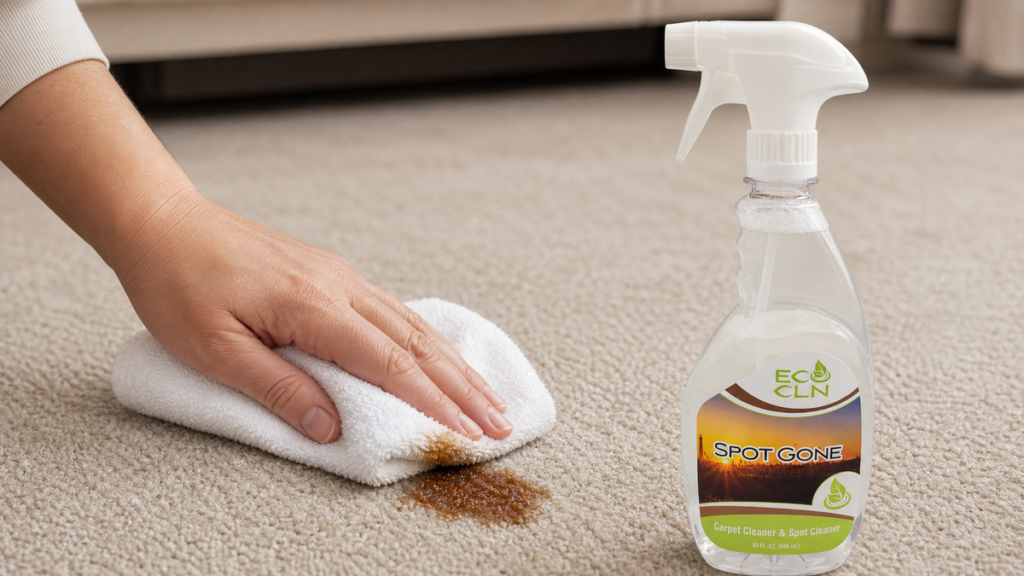
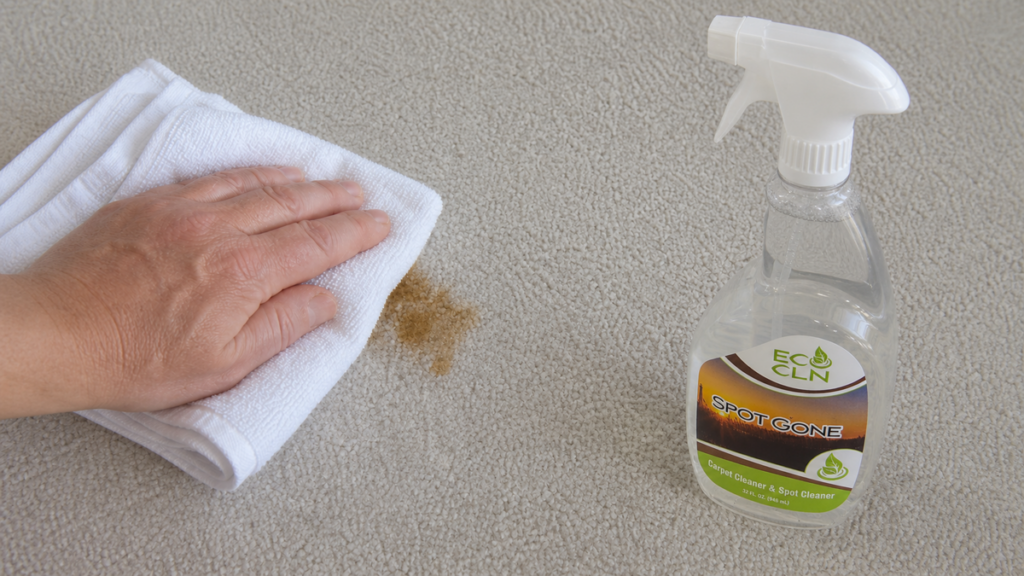
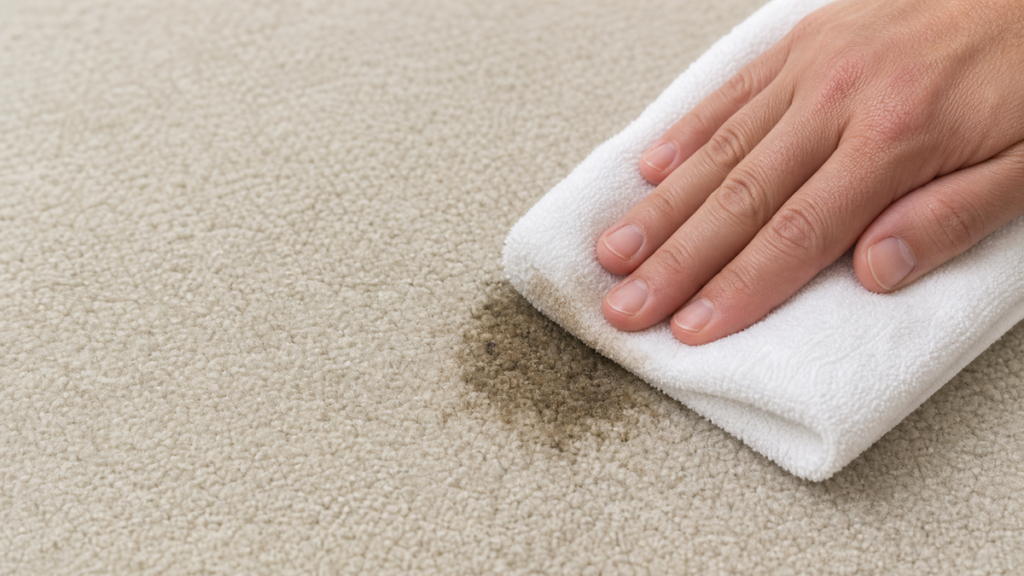
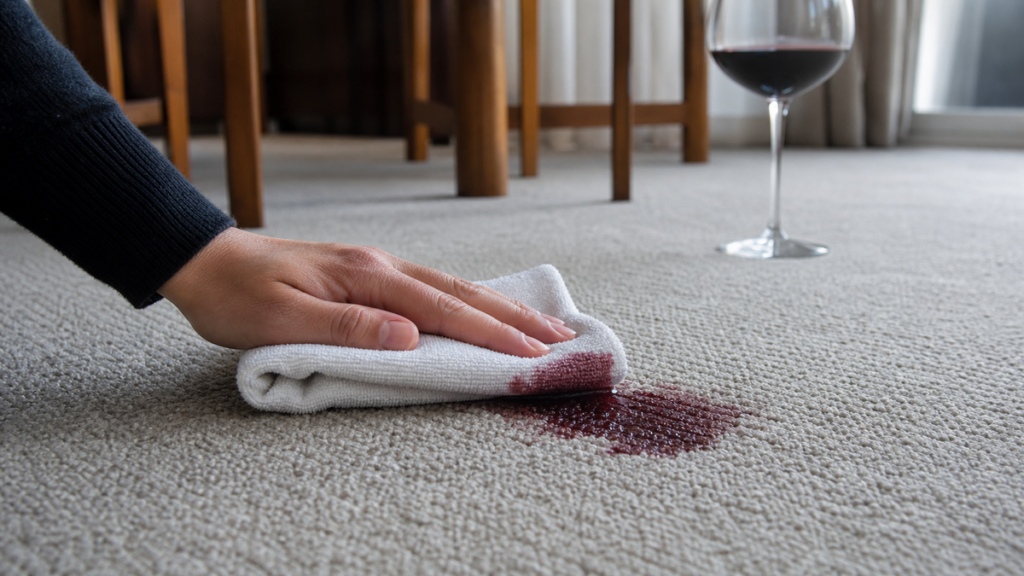
1. Treat the leftover mark sparingly. Put a small amount on a white cloth or apply it as directed. Work from the outer edge toward the center and blot; do not flood the backing.
1. Make the required follow-wipe. If the cleaner instructions call for removing residue, use a fresh lightly damp cloth. Then press with a dry towel.
1. Dry and reassess. Allow normal airflow and keep traffic off the spot. Judge color, texture and any remaining wax only after complete drying.
Why a Hot Iron Is Not the Default Fix
The familiar paper-and-iron method assumes the carpet tolerates heat, the candle dye stays stable and the melted wax transfers upward rather than deeper. Those assumptions are not safe for every synthetic fiber, backing, adhesive or colored candle.
Use heat only when the carpet manufacturer specifically approves a controlled method for that exact material. Otherwise, continue with cold physical removal or call a professional. A valuable wool rug, hand-dyed textile or carpet with unknown fiber content is a poor place to improvise with an iron.
Where Eco Cln Spot Gone Fits
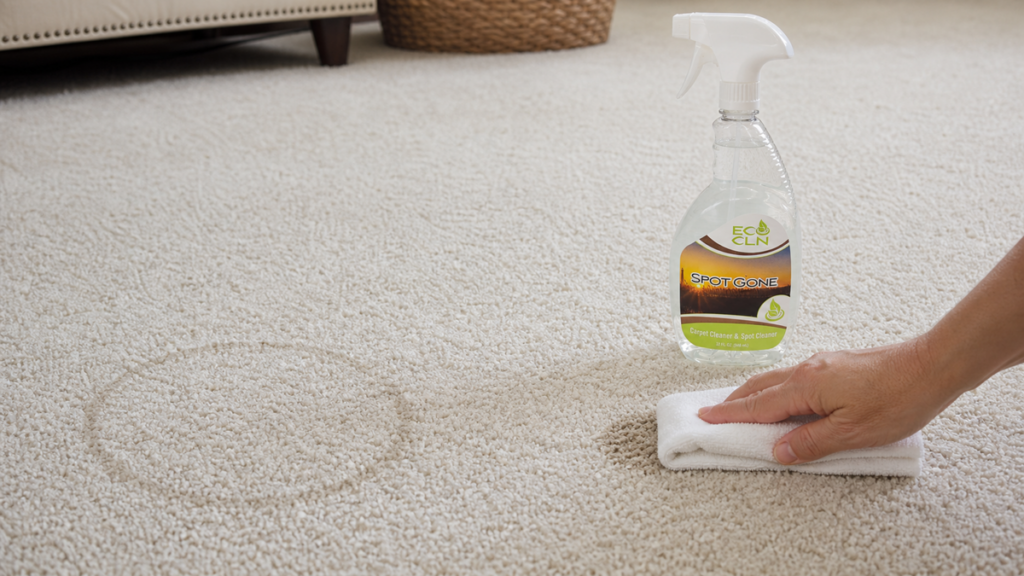
After the hardened wax has been lifted and vacuumed, Eco Cln Spot Gone may fit the leftover oily or colored mark on compatible carpet. Test first, use a controlled amount and follow the carpet maker’s care directions.
Spot Gone is not being presented as a wax dissolver. Its role begins after physical removal, when a normal spot-cleaning process is appropriate for the remaining residue. For older dried marks, the old carpet stain guide explains why dry debris should be removed before wet treatment.
Common Candle-Wax Removal Mistakes
• Rubbing warm wax sideways through the pile.
• Using a sharp blade that cuts loops or tufts.
• Pressing ice directly onto carpet and soaking the backing with meltwater.
• Vacuuming soft wax with a powered brush roll.
• Applying spot cleaner before the solid wax is removed.
• Using an iron without checking fiber and manufacturer limits.
• Scrubbing a colored candle mark and enlarging the dye boundary.
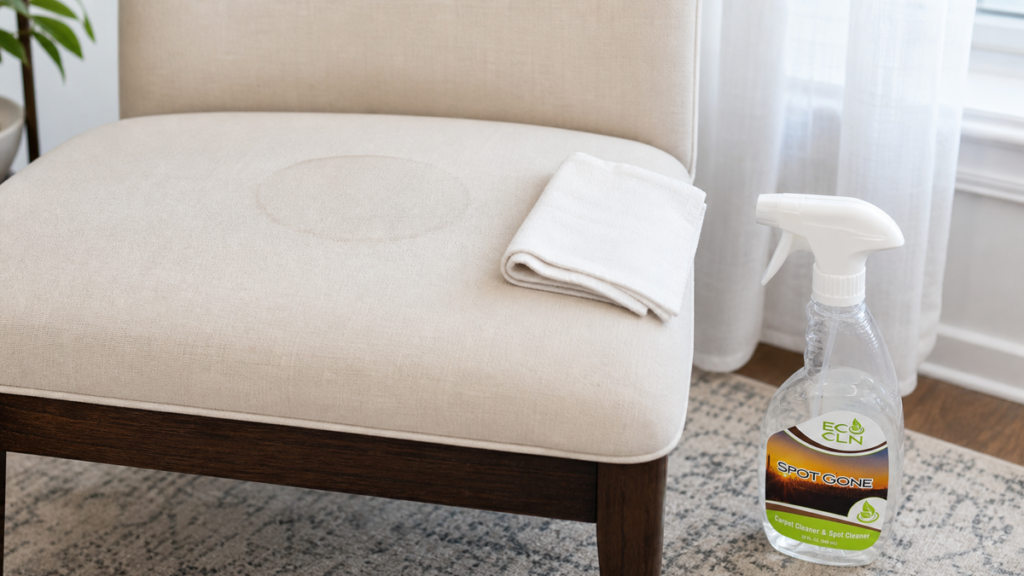
• Oversoaking until a ring forms around the original drip.
When to Call a Carpet or Rug Professional
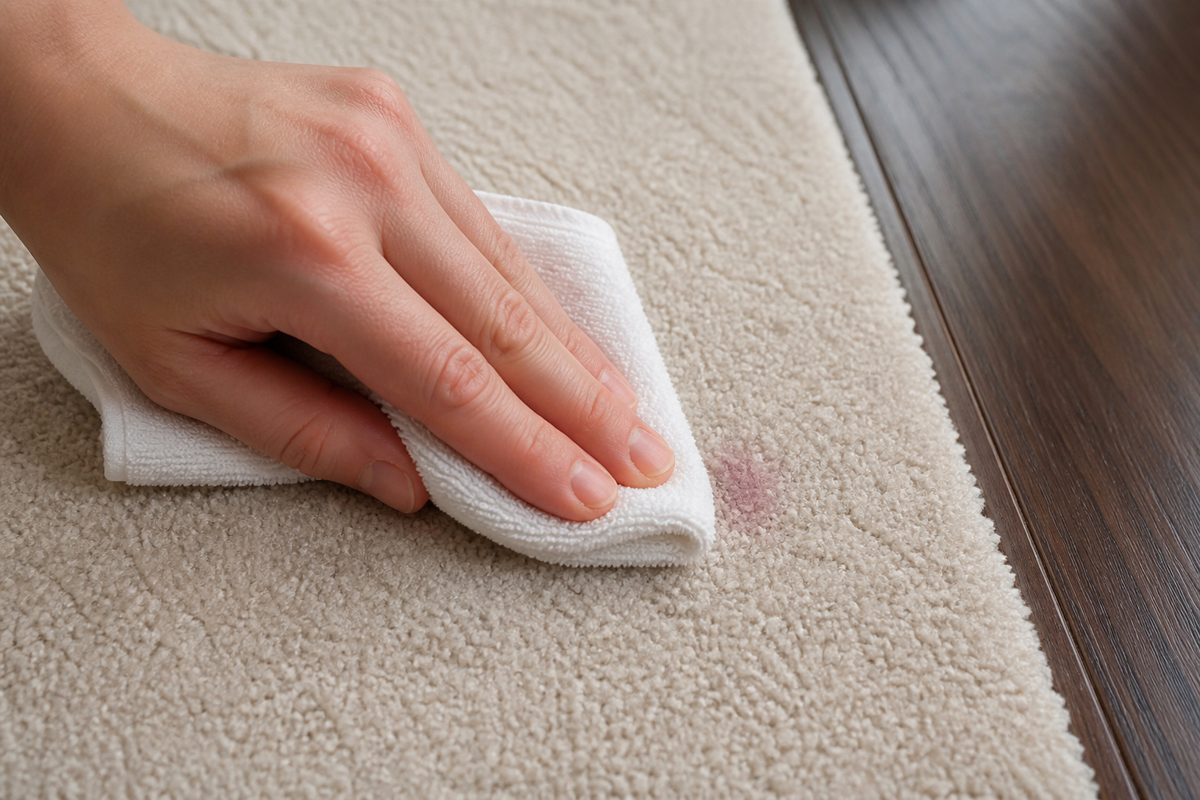
Get professional help when wax reaches the backing, covers a large area, hardens across a seam or affects wool, silk, hand-dyed or valuable rugs. Stop if carpet color transfers to the cloth, a loop begins to pull or the pile texture changes.
Some candle color may remain even after the wax is gone. More scraping will not remove dye, and stronger heat may set or spread it. A professional can identify the fiber and choose a material-specific method without turning a residue problem into permanent pile damage.
Frequently Asked Questions
Should I remove candle wax while it is still warm?
No. Let it harden so you can lift the deposit instead of rubbing liquid wax into more fibers.
Can I put ice directly on the carpet?
Use a sealed cold pack or sealed bag so meltwater does not soak the carpet and backing. Cool only long enough to firm the wax.
Is an iron safe for removing wax from every carpet?
No. Heat can damage synthetic fibers, adhesive or backing and can spread colored wax. Use it only if the carpet manufacturer approves the exact method.
Can Spot Gone dissolve the candle wax?
Physical removal should come first. Spot Gone may fit a compatible leftover oily or colored spot after the hardened wax is lifted and the product passes a hidden-area test.
Why is there still a colored mark after the wax is gone?
The candle’s dye or oily fragrance residue may have transferred to the fiber. Treat it as a separate spot and avoid more heat or hard scraping.
The bottom line
Harden candle wax, lift it with a rounded tool and vacuum the fragments before adding moisture. Treat only the remaining compatible spot, working inward with a small amount of product. Spot Gone can support the residue stage, while heat-sensitive, valuable or deeply affected carpet deserves professional care.