Upholstery Cleaning Codes W, S, WS and X: What They Mean Before You Spot Clean

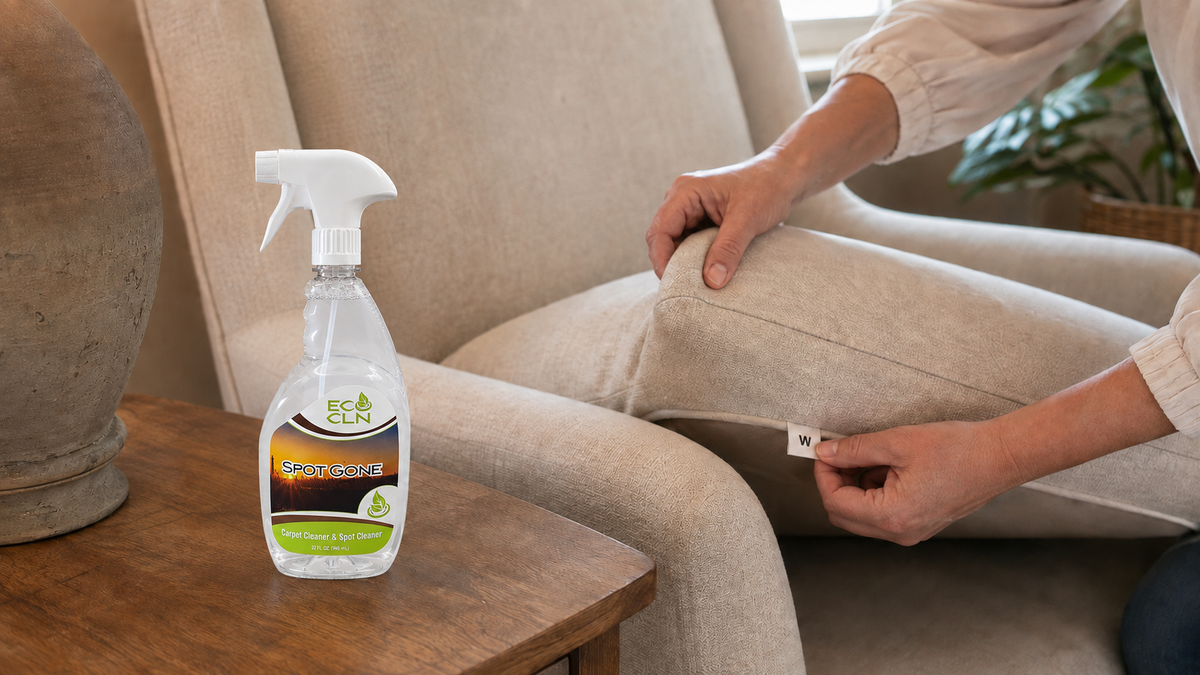
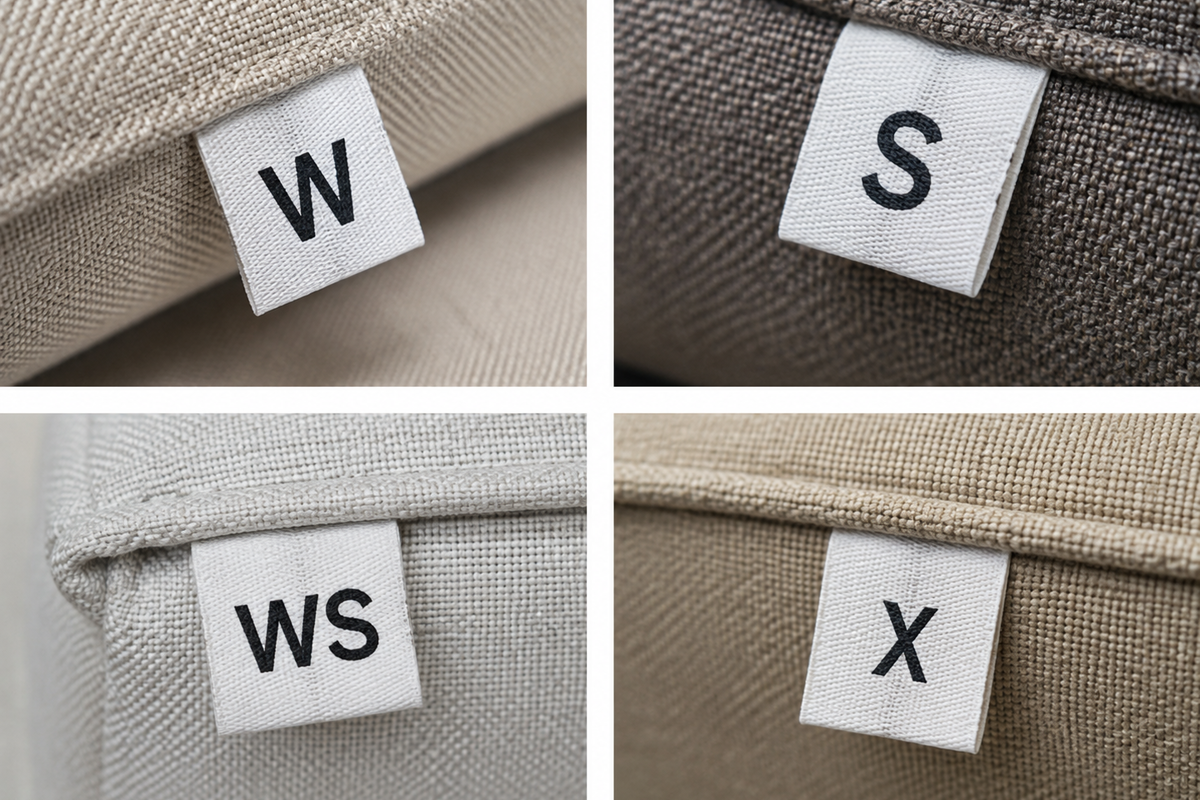
The upholstery cleaning code tells you which category of method the furniture maker permits. In general, W means an approved water-based method, S means a suitable solvent method, WS means either category may be allowed, and X means vacuuming or light brushing only unless a professional or manufacturer says otherwise. The code is a starting rule, not a promise that every cleaner in that category is suitable.
Find the label before treating the visible stain. It may be beneath a seat cushion, under the deck, on the platform below a removable cushion or attached to the underside of the frame. If the tag is missing or unreadable, contact the manufacturer with the model information rather than guessing from the fabric’s appearance.
Quick Answer
• W: Use only a water-based upholstery method allowed by the furniture maker.
• S: Use only an approved solvent-based method; ordinary water-based spot cleaners are not the default choice.
• WS or SW: The maker permits an approved water-based or solvent-based method, but testing is still required.
• X: Vacuum or brush lightly; do not apply liquid unless the manufacturer or a qualified upholstery professional authorizes it.
• No readable code: Pause and identify the furniture before spot cleaning.
What an Upholstery Cleaning Code Actually Controls
The letter code describes the cleaning-medium category for the fabric assembly. It does not tell you that the fabric is colorfast, that a particular product will remove the stain or that the cushion can be saturated. Upholstery includes the face fabric, dyes, backing, seams, welt cord, cushion fill and sometimes a flame-barrier layer. A method that seems mild on the face can still create a ring, move dye or leave the fill wet.
The furniture maker’s full care instructions matter more than a one-letter summary. Ashley Furniture, for example, directs owners to locate the cleaning code and follow the associated limits in its upholstery care guidance. Other manufacturers may add restrictions for performance fabrics, slipcovers, leather-look panels or removable cushion covers.
Do not confuse an upholstery code with a fiber-content label. A tag that says polyester, cotton or rayon identifies materials, not necessarily the permitted cleaning process. Two polyester sofas can have different backings, dyes and codes.
Upholstery Code W: Water-Based Methods
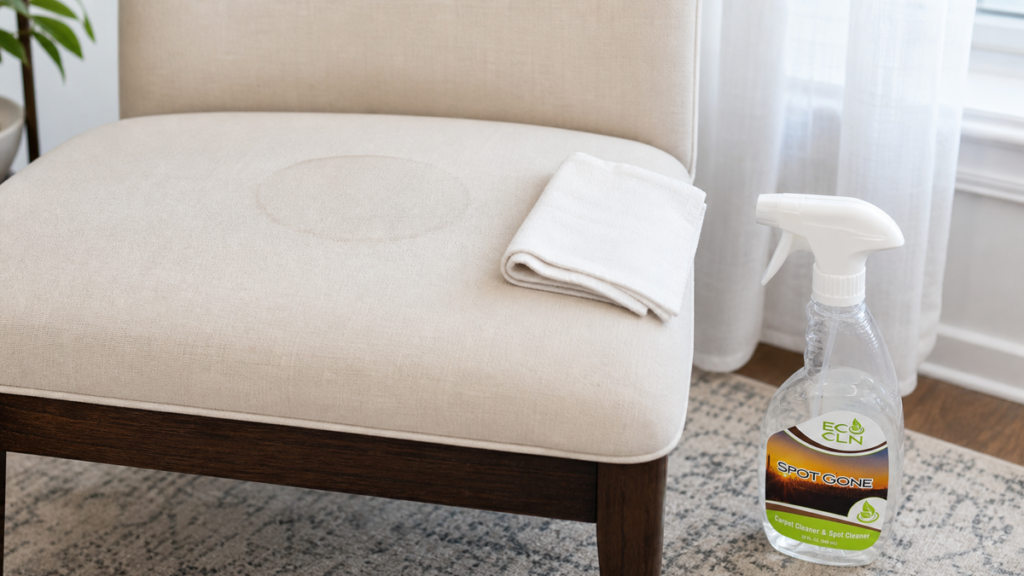
Code W generally allows an approved water-based upholstery cleaner or process. It does not mean you should soak the cushion. Start with dry removal, use a small amount of product, blot from the outside edge inward and dry the area evenly. Apply the cleaner to the cloth when direct spraying could create an over-wet center.
Watch for color transfer, texture change and water rings during the hidden-area test. A removable cushion cover marked W is not automatically machine washable; washing instructions are a separate decision. Removing and washing a cover can cause shrinkage or make it difficult to refit over the cushion.
Upholstery Code S: Solvent Methods Only
Code S calls for a suitable water-free solvent method specified by the manufacturer. Do not treat S fabric with a water-based spot cleaner simply because the stain looks small. Water can create rings, stiffen the finish or move dye on materials assigned this code.
Solvent cleaning brings ventilation, flammability and product-handling concerns that belong to the specific product instructions. If you do not have the approved method or cannot provide the conditions it requires, use a professional upholstery cleaner. Spot Gone is not the default recommendation for an S-only item.
Upholstery Code WS or SW: Either Category With Limits
Code WS, sometimes printed SW, gives more method flexibility, but it is not a free pass. Choose between an approved water-based and solvent method based on the stain, the furniture instructions and the product label. Test the exact method—not just plain water—in a hidden area.
For a small food spot on a compatible WS fabric, controlled water-based spot cleaning may be practical. For an oily stain, the maker may point to a different process. Never layer a solvent method over a still-wet water-based treatment. Let the test area dry completely and reassess first.
Upholstery Code X: No Liquid Spot Cleaning
Code X limits routine care to vacuuming or light brushing, unless the furniture maker or a qualified professional provides another method. Do not apply water, foam, spray upholstery cleaner or solvent to the visible spot. Blotting a fresh spill with a dry absorbent towel may remove surface liquid, but adding cleaning liquid can turn a small problem into a large ring.
For a stain on X-coded upholstery, record what spilled and contact the manufacturer or professional promptly. Avoid experiments with household mixtures; the lack of a consumer wet-cleaning option is precisely what the X code is communicating.
What If the Upholstery Tag Has More Than One Material?
A sofa may pair fabric cushions with faux-leather arms, wood trim, metal nailheads and a contrasting welt. The code on the fabric does not govern those other materials. Protect the wood and metal while cleaning the cushion, and keep the upholstery product off any panel not covered by the same care instruction.
Performance-fabric marketing also does not replace the code. A stain-resistant finish can still have limits on heat, rubbing, solvent or moisture. Vintage furniture deserves extra caution because the current fabric may have been reupholstered over older fill, and the original label may no longer describe the visible material.
Step-by-Step: Check the Code and Test a Spot Method
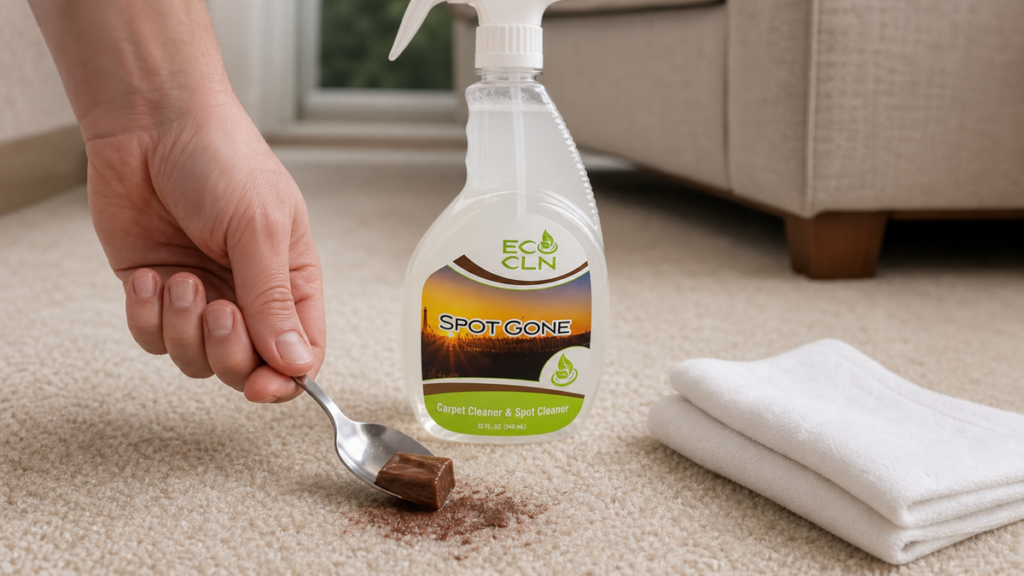
1. Remove dry debris first. Vacuum crumbs and loose particles with the appropriate upholstery attachment. Lift thick solids with a spoon or dull edge rather than grinding them into the weave.
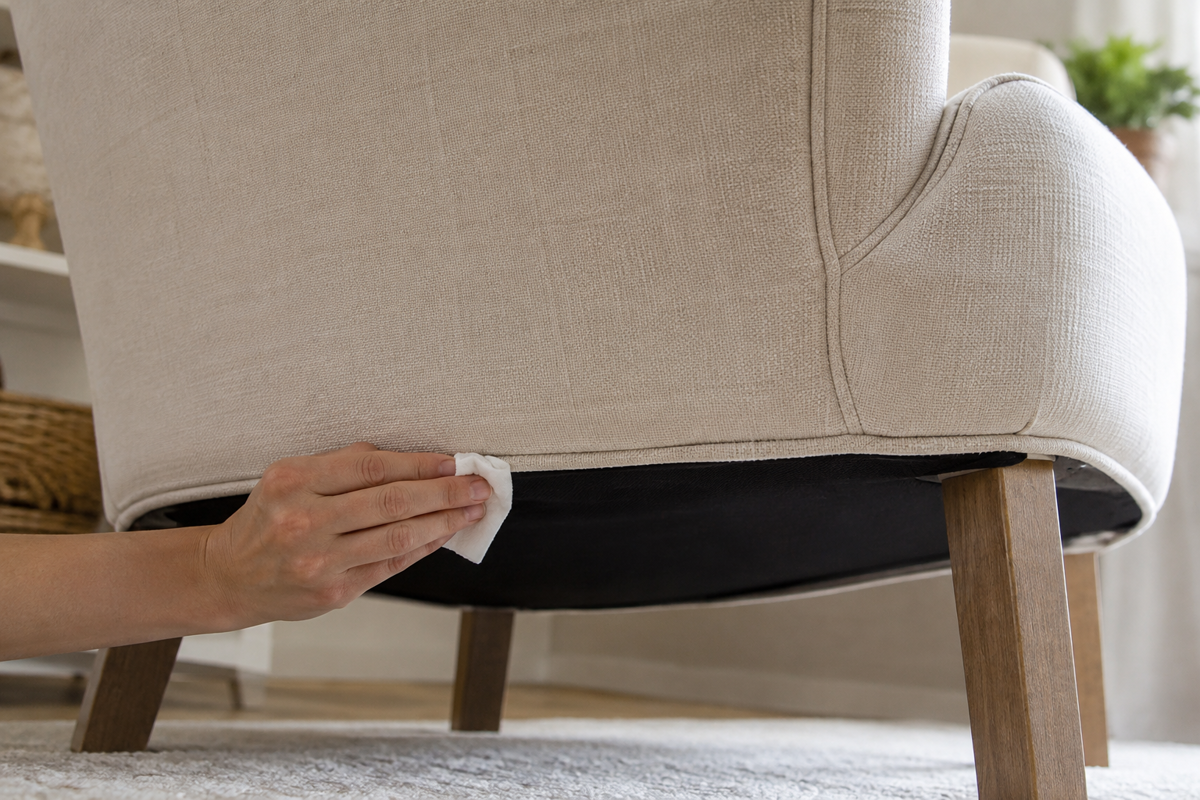
1. Locate and read the care label. Check under cushions and the frame. Photograph the full label, including manufacturer, model, fiber and cleaning information.
1. Match the method to W, S, WS or X. Eliminate any method the code rules out. Then compare the remaining option with the furniture maker’s detailed instructions and the cleaner label.
1. Test the exact product and technique. Choose a hidden rear skirt, cushion underside or another inconspicuous area made from the same fabric. Use the same amount, cloth and contact time planned for the visible spot.
1. Let the test dry completely. Inspect it under normal room light. Compare color, nap direction, hand feel and sheen with the surrounding fabric. A wet test cannot reveal the final ring or texture.
1. Treat the stain from the outside inward. If the test passes and the code permits the method, use small amounts and blot. Turn the cloth often so lifted soil is not pressed back into the upholstery.
1. Dry the cushion evenly. Promote normal airflow and keep the cushion out of use. Do not use high heat or replace the cushion against a damp frame.
Where Eco Cln Spot Gone Fits
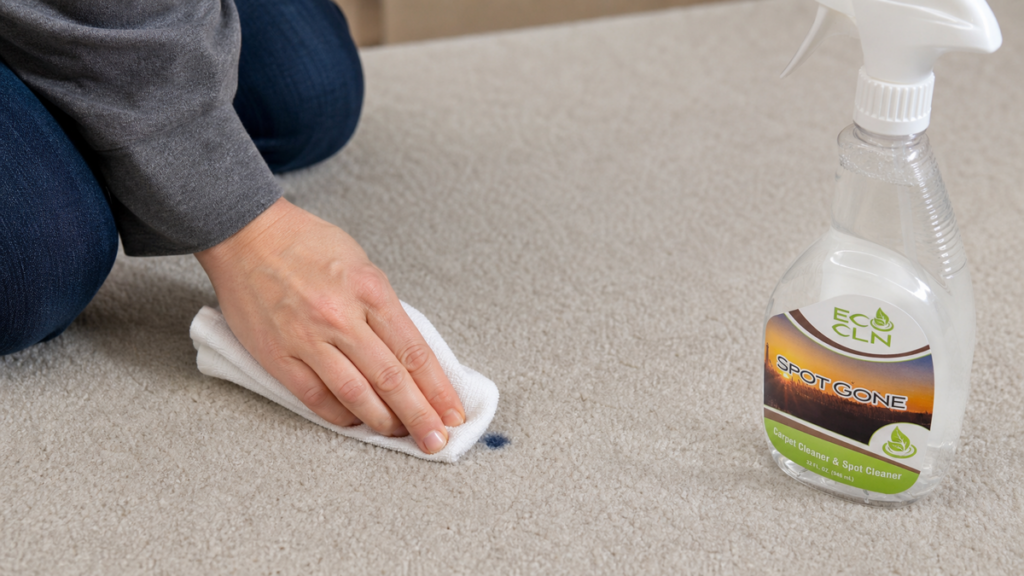
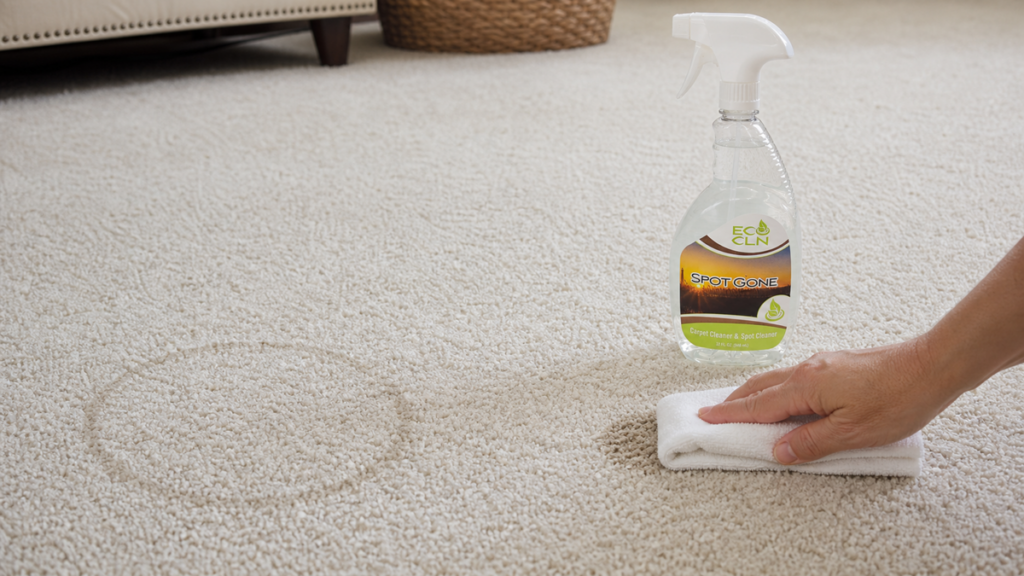
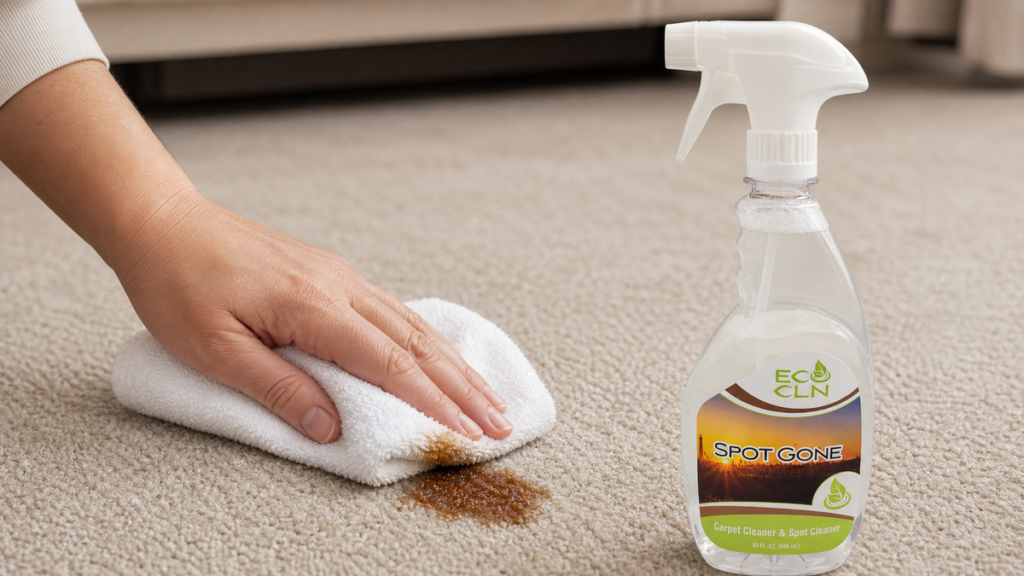
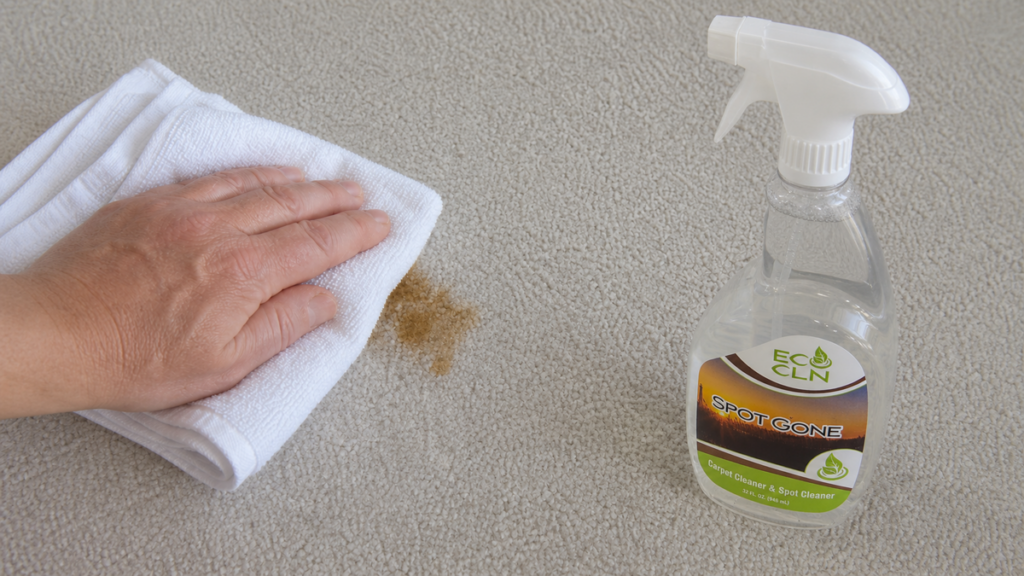
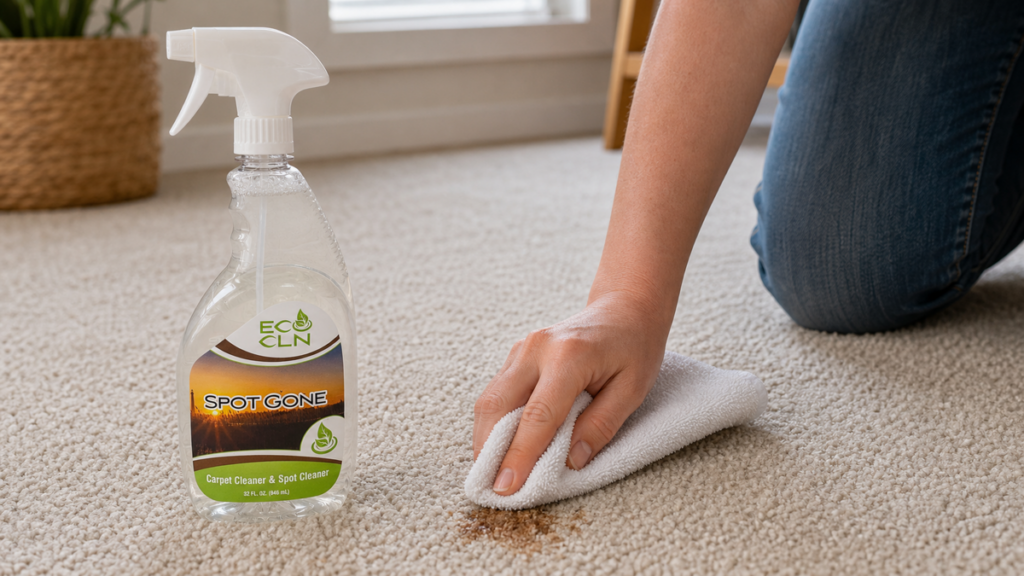
On upholstery whose manufacturer permits a compatible water-based spot treatment, Eco Cln Spot Gone can be a practical option for a localized food, drink or everyday fabric spot. Test it exactly as you intend to use it, control the amount applied and follow both sets of directions.
Do not use Spot Gone merely because the product is described for upholstery. The furniture’s code remains the gate. S-only and X-coded pieces should not receive a water-based spot treatment unless the furniture manufacturer specifically says it is acceptable.
For more on choosing a product for compatible materials, see the Eco Cln Spot Gone stain-remover guide.
Common Upholstery-Code Mistakes
• Guessing that a soft fabric must be W-coded.
• Treating a fiber label as a cleaning-method label.
• Assuming WS means any household product is acceptable.
• Machine-washing a removable cover that is only approved for spot cleaning.
• Testing with plain water but using a different product on the visible stain.
• Scrubbing until the weave pills or the nap changes direction.
• Sitting on or reassembling a cushion before its fill is dry.
• Applying liquid to X fabric because vacuuming did not remove the mark.
When to Call a Professional Upholstery Cleaner
Professional help is sensible for S-only or X-coded fabric, missing labels, widespread staining, dye transfer, silk, velvet, antique pieces, large pet accidents and cushions that are wet below the face. A professional can also decide whether the problem is in the fabric, backing or fill and control extraction more reliably than repeated surface applications.
Stop home treatment if the test area develops a ring, stiff patch, fading, bleeding color, shrinkage or a changed nap. Photograph the reaction and tell the professional exactly what was applied.
Frequently Asked Questions
Does code W mean the upholstery is machine washable?
No. W generally refers to an approved water-based cleaning method. Machine-washing a cover requires separate instructions because the cover can shrink or lose its shape.
Can I use water on WS upholstery?
A suitable water-based method may be allowed, but you still need to follow the manufacturer guidance and test the exact cleaner. WS does not mean unlimited water or saturation.
What should I do if there is no cleaning-code tag?
Use the brand and model information to contact the manufacturer. If the material cannot be confirmed, vacuum gently and ask a qualified upholstery cleaner before adding liquid.
Is code S the same as dry cleaning?
It indicates an approved solvent-based method, but the maker may specify how that should be done. Do not assume that a garment dry-cleaning process applies to an assembled sofa or chair.
Can Spot Gone be used on code X furniture?
No—not as a routine recommendation. X indicates no liquid spot cleaning. Follow the furniture maker’s instructions or use a qualified professional.
Why did a water ring appear on W-coded fabric?
The area may have been over-wet, unevenly treated, poorly rinsed where required or dried at different rates. The code allows a category of method; it does not eliminate technique problems.
The bottom line
Read the upholstery code before choosing a cleaner: W permits approved water-based care, S points to solvent care, WS allows either category within the maker’s limits and X avoids liquid cleaning. Test the exact method, use little product and dry evenly. Spot Gone belongs only on compatible upholstery after the code and manufacturer guidance both support a water-based spot treatment.