Kitchen Grease Cleaning Schedule: What to Wipe Daily, Weekly and Monthly

Quick Answer
Wipe fresh grease and food splatter from compatible counters, stovetop-adjacent surfaces, and appliance handles after messy cooking. Do a more complete weekly pass on backsplashes, cabinet fronts near the range, sink-side film, and frequently touched kitchen surfaces.
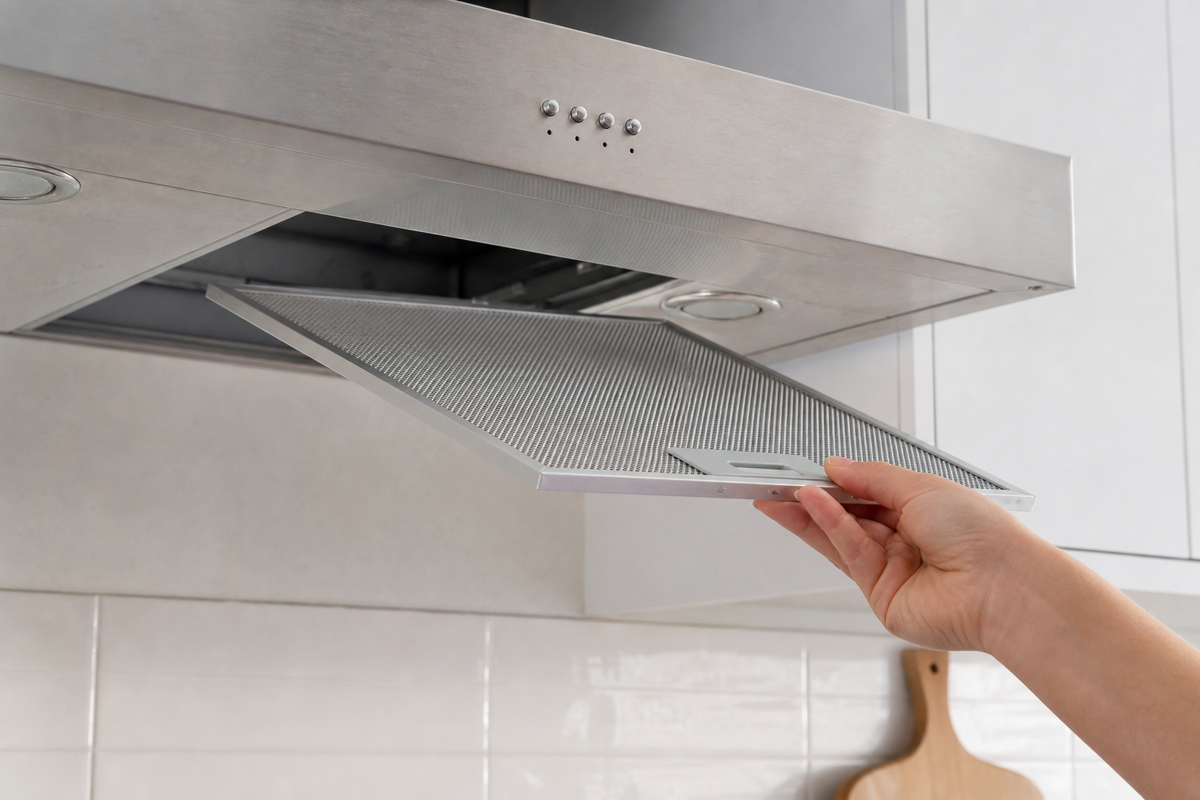
Monthly, inspect the range-hood exterior, microwave underside, upper cabinet edges, appliance sides, and grease filters. Clean filters on the appliance manufacturer’s actual interval or when visibly loaded – not simply because the calendar says ‘monthly.’
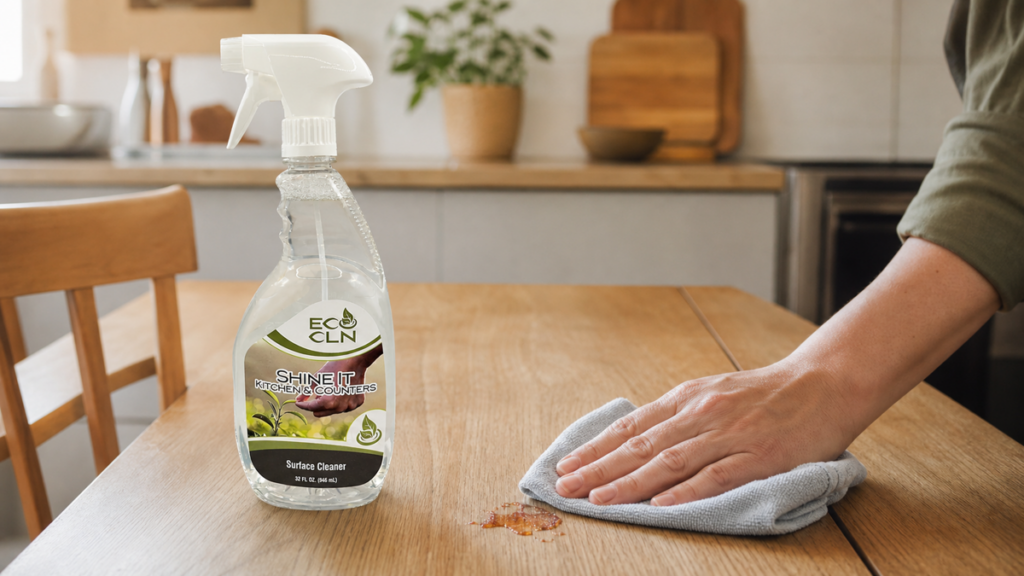
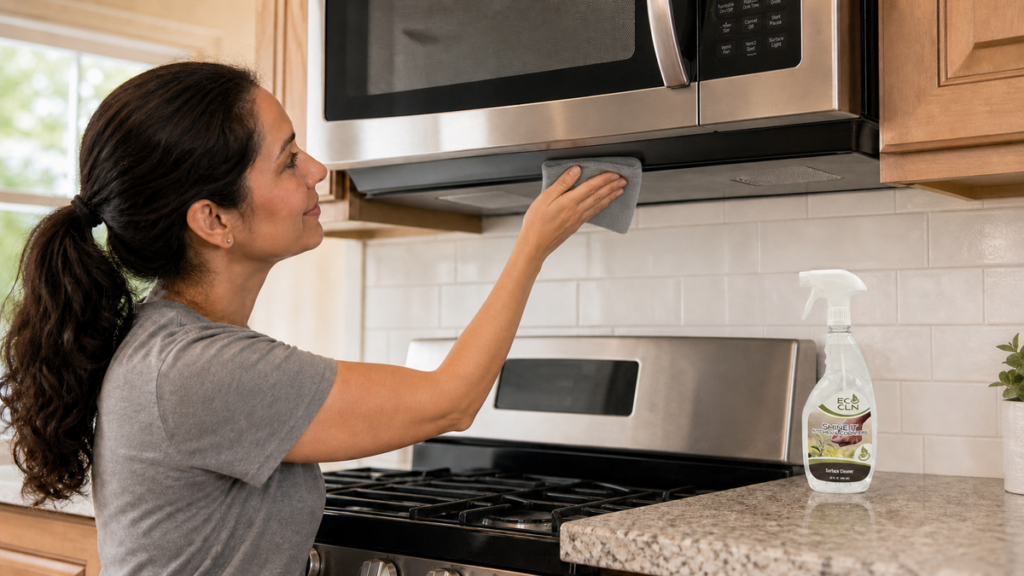
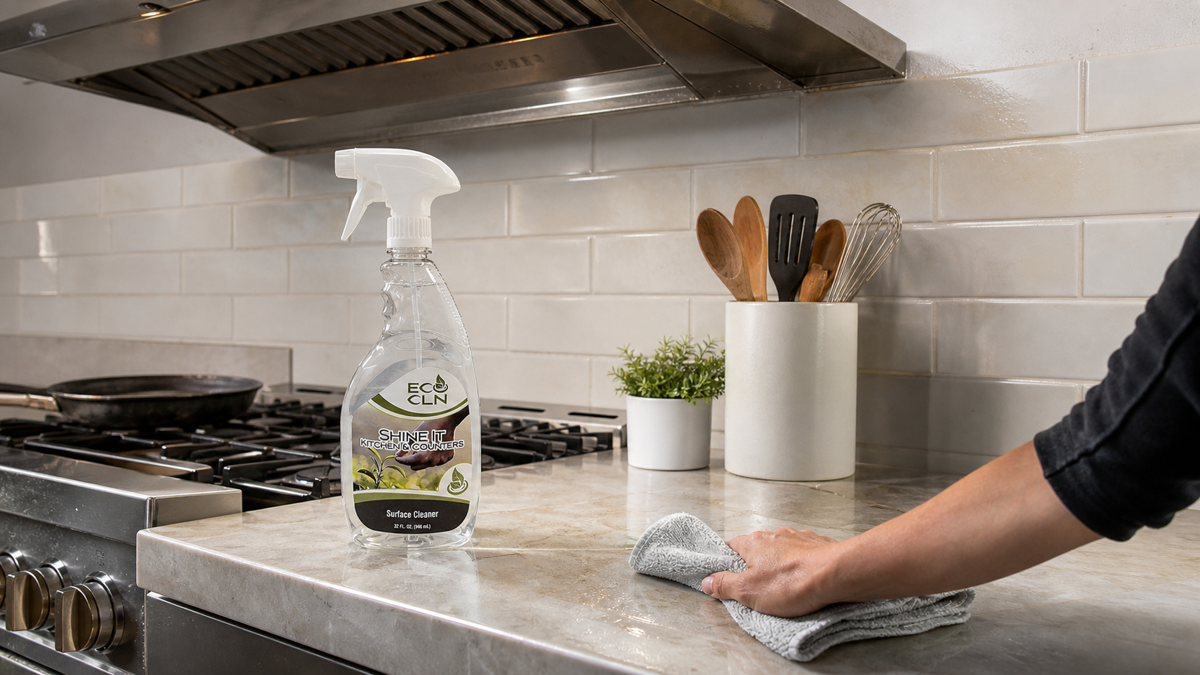
Eco Cln Shine-It is the kitchen-focused cleaner for compatible grease, cooking residue, counters, stainless steel, appliance exteriors, cabinet fronts, handles, tables, and everyday kitchen messes.
Why Grease Cleaning Works Better on a Schedule
Fresh cooking oil is easier to lift than a dusty, oxidized, sticky layer that has been reheated repeatedly.
A schedule keeps routine wipe-downs light and prevents every kitchen-cleaning session from becoming a deep degreasing job.
Daily or After Messy Cooking
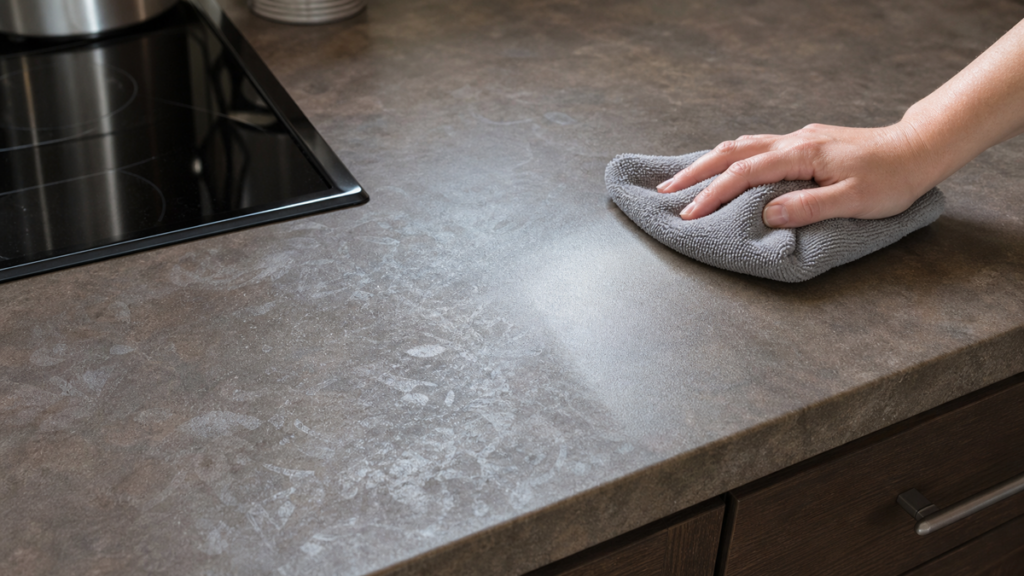
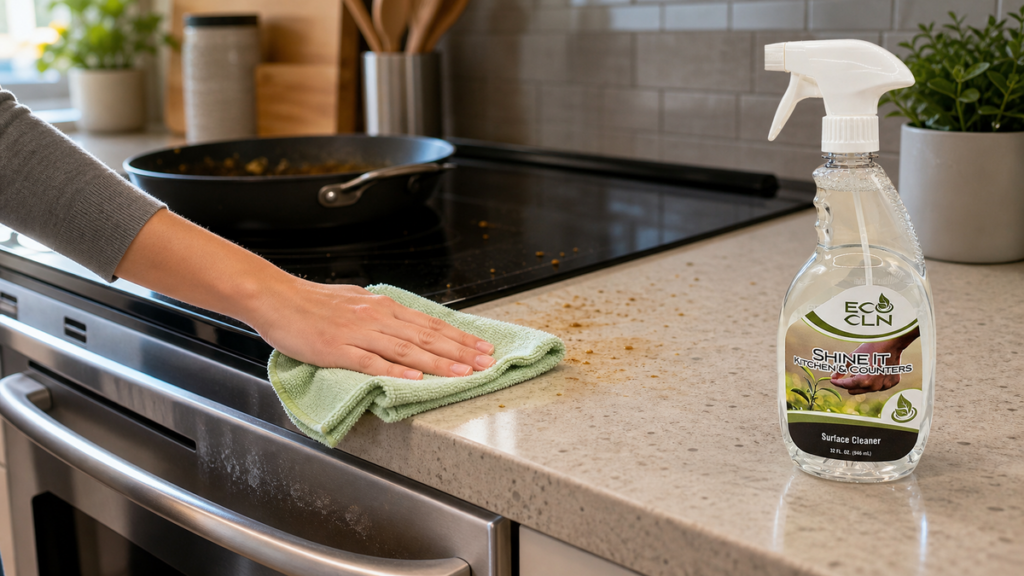
- Counter areas where oil or food splattered.
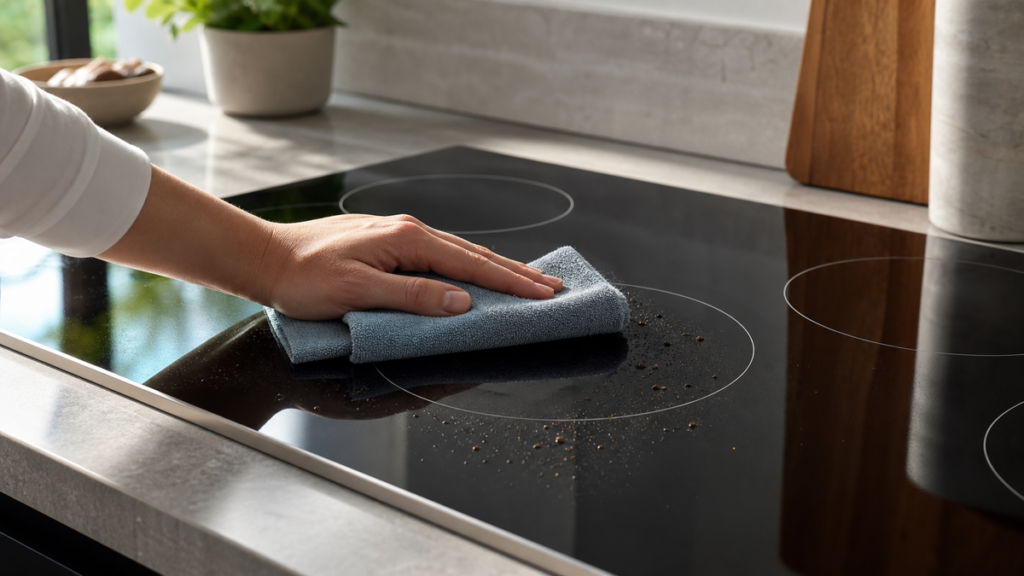
- Stovetop surface after it is cool and the model instructions allow cleaning.
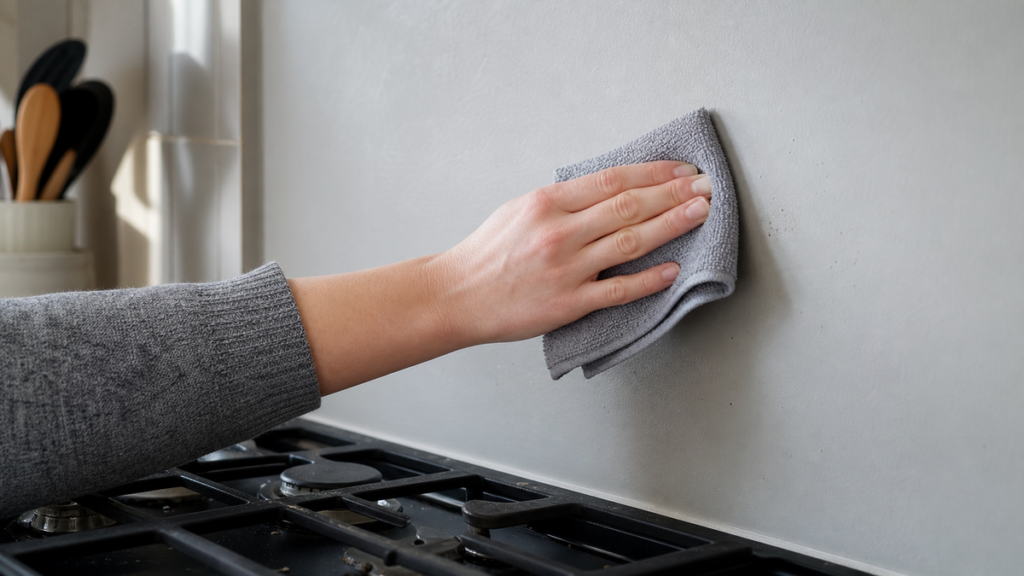
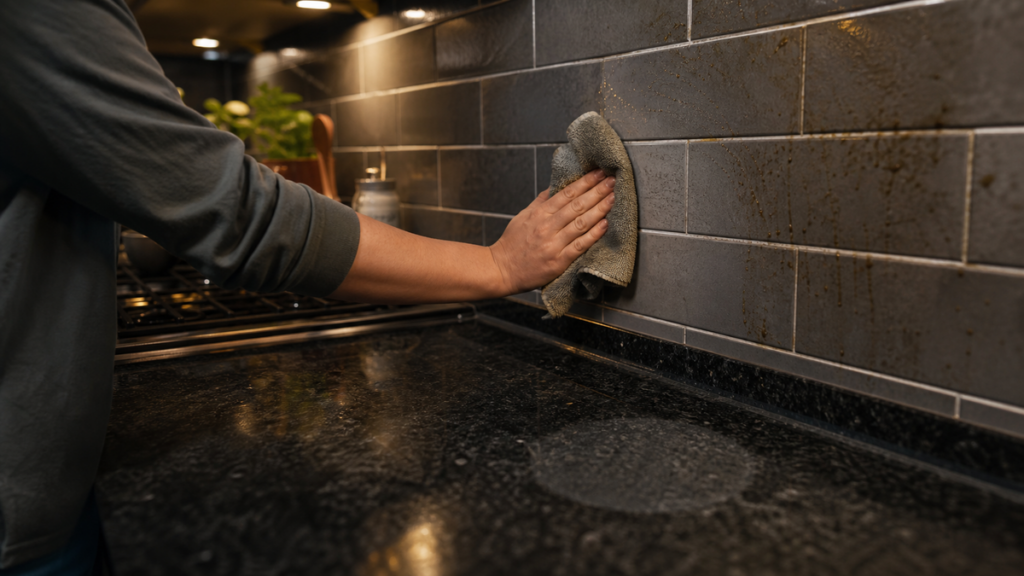
- Backsplash immediately behind active burners when visibly splattered.
- Appliance and cabinet handles touched with greasy hands.
- Table or eating surface with visible food film.
- Sink-side residue that feels oily or sticky.
Use Shine-It lightly on compatible kitchen surfaces. Spray the cloth first around appliance controls, seams, displays, vents, or unfinished cabinet edges.
Weekly Grease Pass

- Full backsplash, not only the obvious splatter spot.
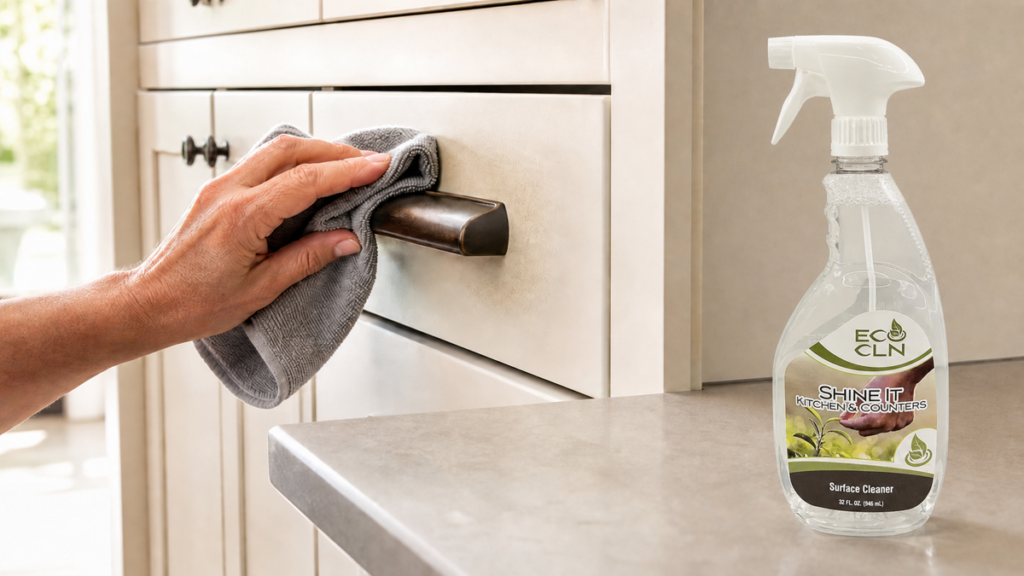
- Cabinet fronts and drawer pulls nearest the range.
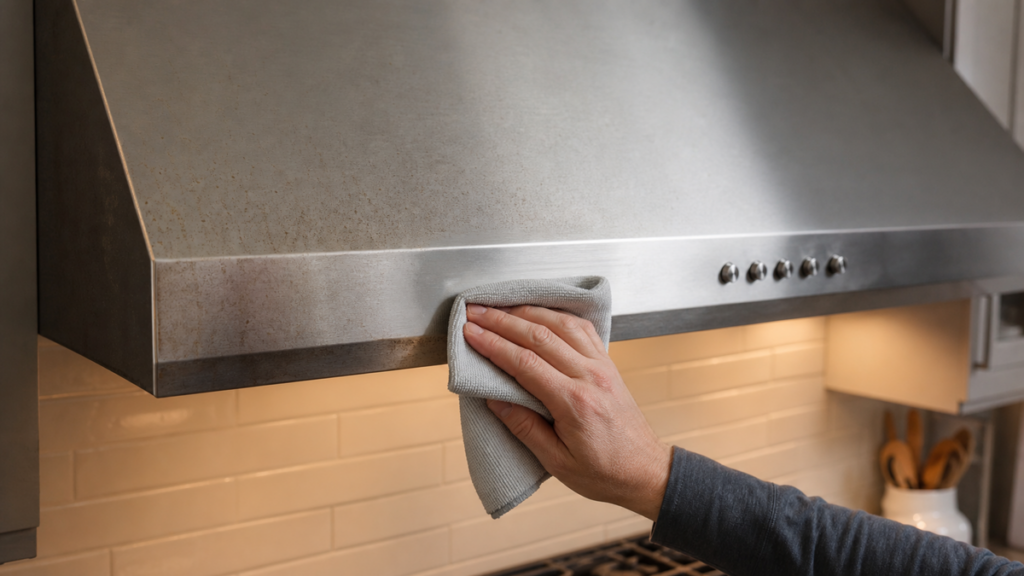
- Range-hood exterior and control area.
- Microwave exterior and lower solid panel areas.
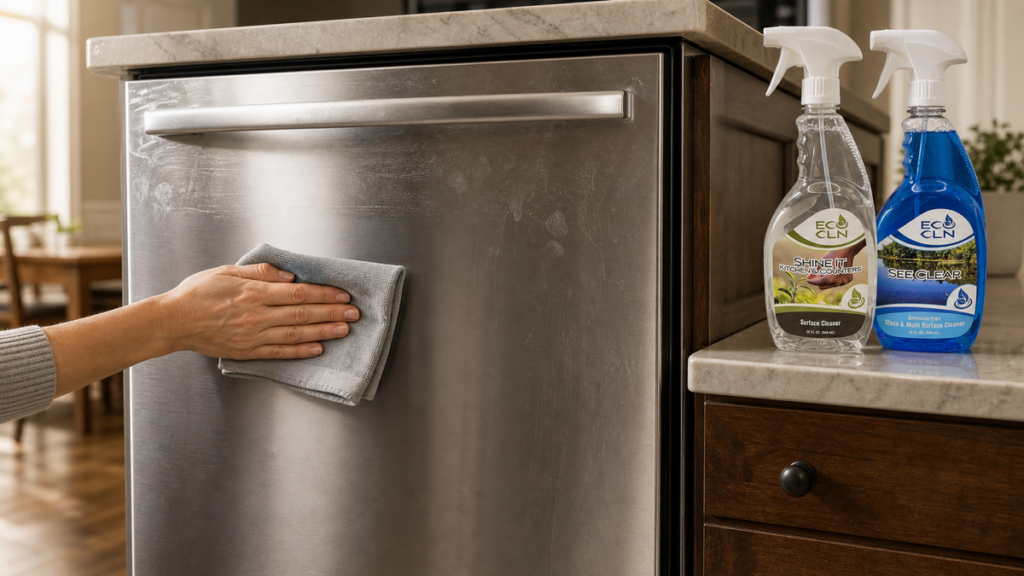
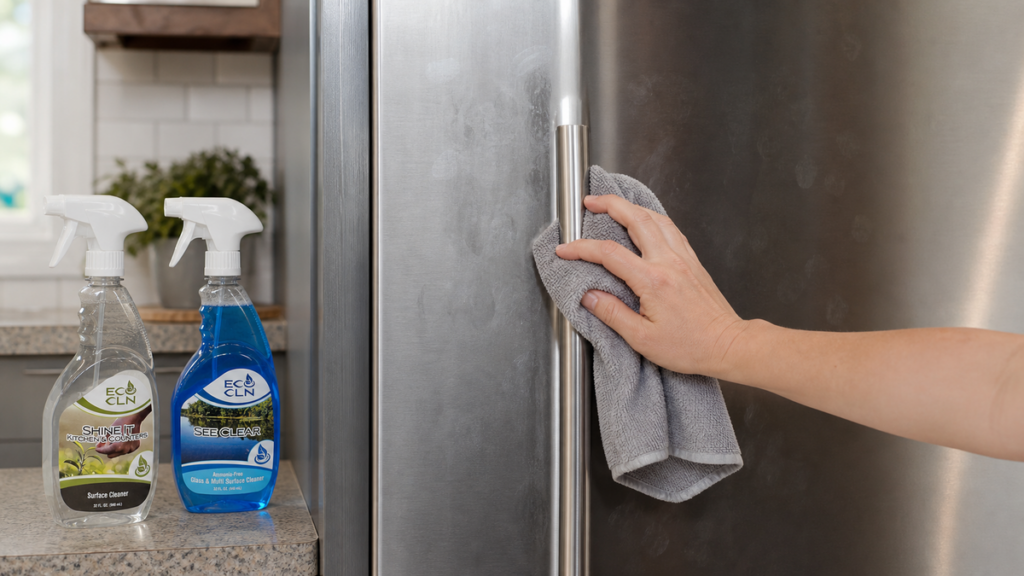
- Refrigerator and dishwasher handles.
- Counter edges, wall splash zones, and nearby trim.
- Small appliances that collect cooking film.
Rotate to clean microfiber faces often. A grease-loaded cloth can spread a thin oily haze across the entire kitchen.
Monthly Detail Check
- Top edges of cabinet doors and appliance trim.
- Sides of the range and refrigerator if accessible safely.
- Upper cabinet faces and the wall area above or beside the cooking zone.
- Underside of over-the-range microwave exterior surfaces.
- Range-hood grease filter condition.
- Reusable vent grilles and removable parts listed in the owner manual.
Monthly is an inspection rhythm, not a universal filter-cleaning interval.
Range-Hood Filters Follow the Appliance, Not This Blog Calendar
GE says metal grease-filter cleaning frequency depends on cooking type and suggests about every six months for normal day-to-day use, or as needed. Review GE grease-filter guidance.
Whirlpool similarly tells users to follow the model manual for removable grease filters and notes charcoal recirculating filters may not be washable. See Whirlpool vent-hood filter guidance.
If your household does heavy frying or the filter becomes visibly loaded sooner, follow the appliance guidance and clean more often.
Shine-It: Where It Fits
The current Shine-It product page supports counters, grease spots, cooking residue, stainless steel, appliance exteriors, cabinet fronts, handles, tables, and washable kitchen surfaces.
It does not replace appliance-specific filter washing, internal vent service, oven-cleaning procedures, or model-specific cooktop care.
A Simple Grease Schedule
- After cooking: wipe fresh splatter once surfaces are safe to clean.
- Daily: handle obvious greasy fingerprints and food film.
- Weekly: backsplashes, cabinet fronts near the stove, handles, hood exterior, and appliance touch zones.
- Monthly: inspect hidden edges, microwave underside, hood filter condition, and less-visible grease zones.
- Manufacturer interval: wash or replace filters and service appliance components exactly as the model instructions require.
Common Kitchen-Grease Schedule Mistakes
- Waiting until every surface feels sticky.
- Cleaning hot cooktops or appliance surfaces.
- Using the same greasy cloth for stainless, glass, and counters.
- Spraying cleaner into vents, controls, electrical seams, or filter openings.
- Treating every metal grease filter and charcoal filter the same way.
- Making a monthly schedule override the appliance manual.
- Using abrasive pads on coated or stainless finishes.
FAQ
How often should I wipe kitchen grease?
Wipe visible grease and splatter after messy cooking, then do a more complete grease-zone pass weekly.
Should I clean my range-hood filter every month?
Not necessarily. Inspect it monthly, but use the model-specific cleaning interval. GE notes about every six months for normal use on many metal filters, or as needed.
Can Shine-It be used on appliance exteriors?
Yes on compatible appliance exteriors and stainless steel when the appliance maker allows that cleaner type.
Should I spray Shine-It directly on controls?
No. Spray the cloth first near controls, vents, seams, screens, or openings.
Why does grease come back so fast near the stove?
Cooking aerosol settles repeatedly on nearby surfaces. Frequent light wipe-downs prevent that film from becoming a thicker sticky layer.
The Bottom Line
Build the kitchen grease schedule around how often each zone receives aerosol, splatter, hand oils, and heat. After messy cooking, let hot surfaces cool, remove loose food, and wipe compatible counters, stovetop-adjacent areas, controls, and appliance handles before fresh grease hardens. Once a week, inspect the backsplash, cabinet fronts nearest the range, microwave underside, small-appliance exteriors, refrigerator touch zones, and the edges where residue collects. Use Shine-It only on compatible surfaces, apply it to microfiber when controls, seams, vents, or unfinished edges are nearby, and finish with a clean cloth so loosened grease and cleaner film do not remain. Monthly, with the appliance controls off and the hood cool, inspect the removable range-hood grease filter and follow the manufacturer method for cleaning or replacement; do not spray cleaner into the installed hood, fan, light, or electrical components. Also check upper cabinets, wall areas beyond the obvious splatter zone, floor edges beside the range, and gaps where grease can attract dust. Shorten the interval when cooking is frequent or ventilation is limited, and extend it only when a dry inspection shows the zone is still clean. Keep a simple note of fast-returning zones so the next schedule reflects the kitchen’s actual cooking pattern. Stop if paint, cabinet finish, markings, plastic, adhesive, or appliance coating transfers or softens. Clean removable soil; schedule repair or specialty service for failed finishes, inaccessible grease inside equipment, or a ventilation problem. A repeatable daily, weekly, and monthly routine avoids the greasy scavenger hunt that happens when every zone is left for one heroic deep clean.
Continue with this related Eco Cln guide: Kitchen surface cleaner guide.
For the routine grease zones that make up the daily and weekly parts of this schedule, Eco Cln Shine-It is the focused Eco Cln cleaner for compatible counters, cooking residue, grease spots, appliances, cabinet fronts, handles, and kitchen surfaces.