
Hypoallergenic Cleaning Solutions: What the Term Really Means

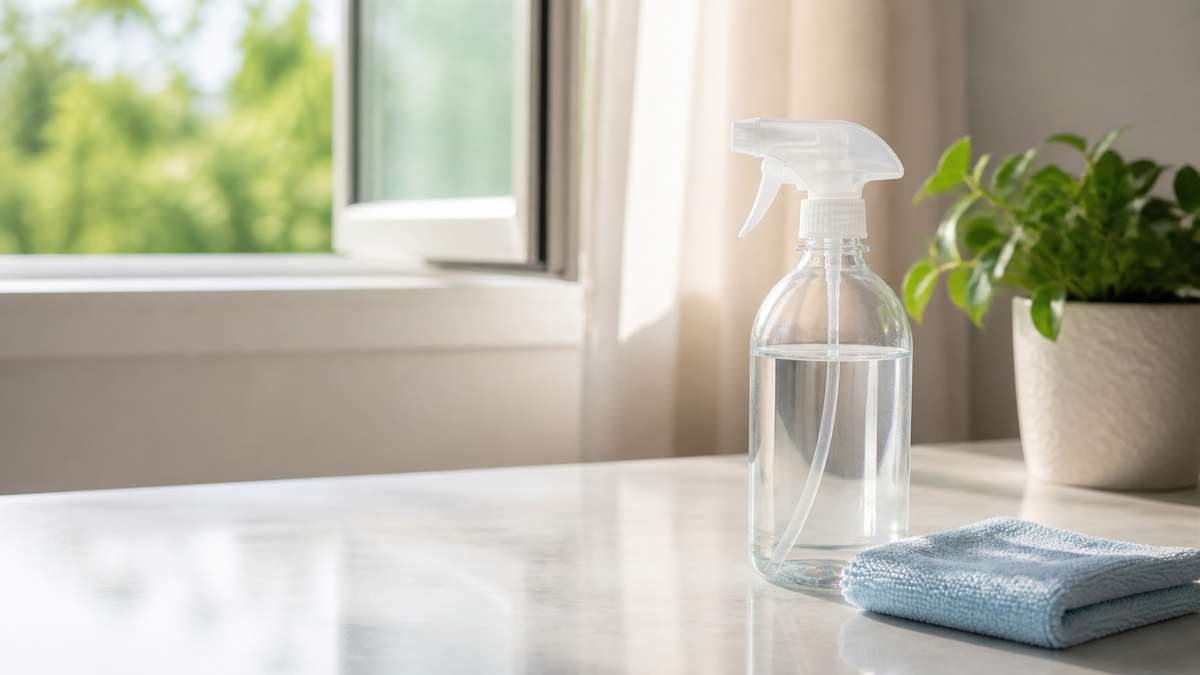
Quick answer: hypoallergenic cleaning solutions are usually products or routines positioned for people who want fewer common irritants, less fragrance confusion, and a more careful cleaning setup. The term can be useful, but it is not a guarantee that a cleaner is allergy-proof, asthma-safe, fragrance-free, non-toxic, pet-safe, child-safe, disinfecting, or safe for every person and surface. For a sensitive home, the better approach is to read the label, match the cleaner to the surface, control scent and residue, ventilate when needed, and avoid unsupported claims.
This article is cleaning guidance, not medical advice. For diagnosed allergies, asthma, chemical sensitivities, or respiratory concerns, follow guidance from a qualified professional.
Why This Article Matters
Hypoallergenic is a word many shoppers notice because it sounds reassuring on a cleaning label. It suggests gentler choices, fewer irritants, and a cleaner routine that is easier to live with. That can be useful when you are shopping for a home with sensitive noses, allergy-prone family members, kids, pets, or anyone who dislikes strong fragrance.
The problem is that hypoallergenic does not mean the same thing in every situation. It is not a magic shield. It does not replace directions. It does not prove a cleaner is right for every surface. And it definitely does not mean every person in the home will react the same way.
That is why this topic needs a practical explanation instead of a big shiny promise. Cute label words are nice. Clear directions are better.
What Hypoallergenic Usually Means
In cleaning content, hypoallergenic usually means a product is positioned to reduce common irritants or avoid certain ingredients that may bother some people. In real-life shopping, people often use the term when they are looking for:
- lower-scent or fragrance-free cleaning options
- fewer harsh-smelling products
- clearer ingredient or label language
- less residue left behind after cleaning
- cleaning routines that avoid over-spraying and overusing product
- products that feel easier to use in bedrooms, bathrooms, pet areas, or small rooms
That is a reasonable search intent. The key is not to treat the word hypoallergenic as a medical guarantee.
What Hypoallergenic Does Not Guarantee
A hypoallergenic label does not automatically mean a cleaner is:
- allergy-proof
- asthma-safe
- safe for every person
- safe for every pet
- safe for every child
- safe for every surface
- fragrance-free
- unscented
- non-toxic
- chemical-free
- disinfecting
- free of all possible irritants
- better at cleaning
It only tells you that the brand is positioning the product in a certain way. The details still matter.
For Eco Cln content, do not describe any product as certified hypoallergenic, allergy-proof, asthma-safe, baby-safe, pet-safe, child-safe, disinfecting, EPA-registered, enzyme-based, fragrance-free, or guaranteed safe unless current product documentation supports those exact words.
Start With the Cleaning Job
The first question is not, "Is this cleaner hypoallergenic?" The first question is, "What am I cleaning?"
Different rooms and surfaces need different decisions:
- Kitchen counters need food-residue and grease cleanup.
- Bathroom surfaces may need soap scum and mineral-related residue support.
- Glass needs streak control.
- Carpet and upholstery need surface-appropriate stain treatment.
- Pet areas need targeted cleanup without using fragrance as camouflage.
- Bedrooms often need the lowest-scent routine in the house.
A product can sound gentle and still be wrong for the surface. A sensitive-home routine has to be both careful and practical.
Read Scent Claims Closely
Scent is one of the biggest reasons people search for hypoallergenic cleaning products. Strong fragrance can linger on counters, floors, fabrics, trash areas, bathrooms, and pet spaces.
When scent matters, compare the label carefully:
- Fragrance-free usually means no fragrance ingredients were added for scent.
- Unscented means the product should not smell noticeable, but some formulas may still use masking ingredients.
- Natural fragrance or essential oils still count as scent.
- Odor-eliminating language does not automatically mean the source of the odor is cleaned.
The best sensitive-home approach is usually to reduce unnecessary scent, not cover one smell with another smell.
Watch for Residue
Residue matters because it can hold scent, attract soil, leave streaks, dull surfaces, or make counters and floors feel sticky. More cleaner does not always mean more clean.
To reduce residue:
- Follow dilution directions.
- Use the smallest effective amount.
- Spray onto a cloth when practical instead of misting the room.
- Wipe with clean microfiber.
- Rinse when the label says to rinse.
- Let surfaces dry before kids or pets return to the cleaned area.
This is not glamorous advice, which is probably why it works.
Separate Cleaning From Disinfecting
Cleaning and disinfecting are different jobs.
Cleaning removes soil, residue, grease, dust, grime, food mess, fingerprints, pet residue, and general buildup. Disinfecting uses a regulated disinfectant product to kill specific germs when used exactly according to the label.
A cleaner does not disinfect just because it smells strong, says natural, says hypoallergenic, or leaves the room smelling fresh. If disinfecting is needed, use a product labeled for that specific job. If routine cleaning is the job, choose a cleaner that fits the surface and mess.
How to Choose Cleaning Products for a Sensitive Home
Use this checklist before buying or using a cleaner:
- What surface is it for?
- What mess is it meant to handle?
- Does the label mention fragrance, parfum, perfume, essential oils, or masking scent?
- Does it need dilution?
- Does it require rinsing?
- Does it leave residue if overused?
- Is the room easy to ventilate?
- Does the label make broad safety claims without explanation?
- Is it a cleaner, a disinfectant, a stain remover, a bathroom cleaner, or a glass cleaner?
- Does the product have clear directions for the way you plan to use it?
A good cleaning routine for sensitive homes usually has fewer products, not more. The point is to give each product a clear job.
Where Eco Cln Fits
Eco Cln products should be positioned by task, surface, and label directions, not by unsupported health or safety claims.
Practical product lanes may include:
- Citrus Concentrate for everyday cleaning routines when diluted and used as directed.
- See-Clear for glass and shiny surfaces.
- Powerhouse Bathroom for bathroom soils and buildup when used according to label directions.
- Spot Gone for targeted stain situations on appropriate surfaces.
- PAWS for pet-mess content where product directions fit.
The strongest Eco Cln angle is not "this bottle solves every sensitivity problem." The stronger angle is: choose the right cleaner for the job, avoid unnecessary scent and residue, follow directions, and do not force one product to do six jobs badly.
How This Becomes the Sensitive Home Cleaning Pillar
This article should be the hub for the Sensitive Home Cleaning cluster. It should define the big idea and then send readers into narrower support posts.
Suggested support links can be added once the new posts are staged or published. Do not expose broken links before those articles exist.
FAQ
Are hypoallergenic cleaning solutions guaranteed to prevent allergies?
No. Hypoallergenic is not a guarantee. It can be a useful label cue, but people react differently. Read the label, follow directions, ventilate when needed, and follow qualified professional guidance for diagnosed medical concerns.
Does hypoallergenic mean fragrance-free?
Not always. Hypoallergenic and fragrance-free are different claims. A product may be one, both, or neither. Check the ingredient and scent language instead of assuming.
Are natural cleaners always better for sensitive homes?
No. Natural does not automatically mean low-scent, low-residue, surface-safe, or better for every household. Natural fragrance is still fragrance, and every cleaner still needs directions.
Can hypoallergenic cleaners disinfect?
Only if the product is specifically labeled and registered for disinfecting use with directions for that purpose. Cleaning and disinfecting are separate jobs.
What should I look for in a cleaner for a sensitive home?
Look for clear surface directions, scent transparency, realistic claims, residue control, dilution or rinse instructions, and a product role that matches the actual mess.
Should I replace every cleaner in the house?
Not necessarily. Start with the rooms and surfaces that matter most, such as bedrooms, bathrooms, kitchens, pet areas, and high-touch surfaces. A simpler routine with clear product roles is usually easier to manage.
Final Takeaway
Hypoallergenic cleaning solutions can be helpful for sensitive-home shoppers, but the word is not a guarantee. The practical move is to read the label, control scent and residue, use the right cleaner for each surface, and avoid unsupported health or safety claims. A sensitive-home routine should make cleaning clearer, not turn the cabinet into a guessing game.


