How to Clean Pet Urine From Tile and Grout Lines

Quick Answer
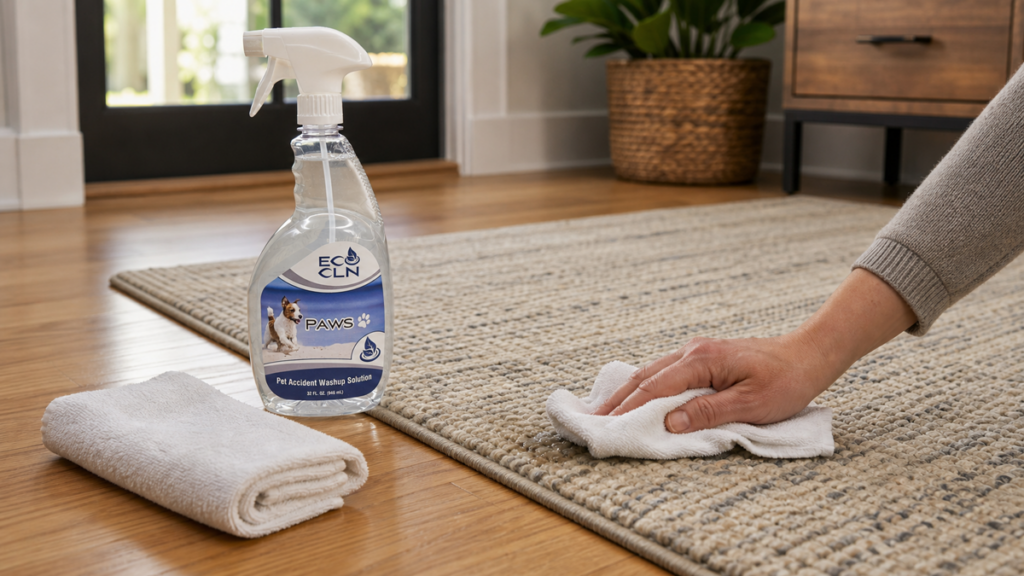
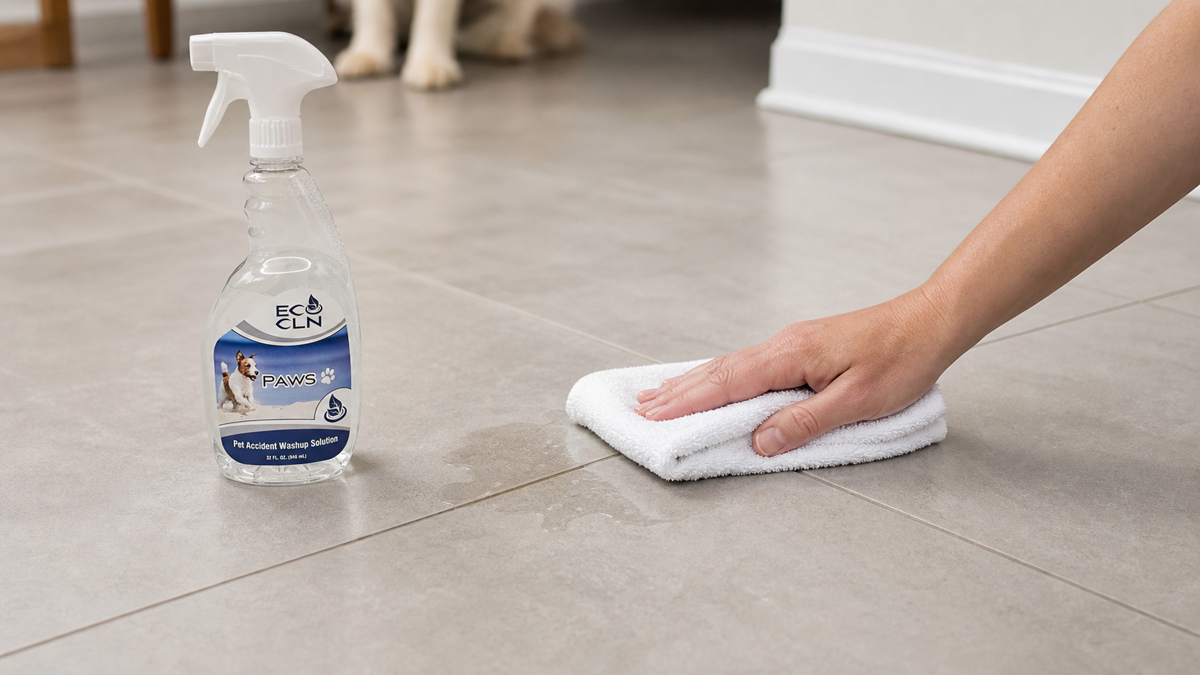
Blot up fresh urine immediately, then identify the tile and grout type. On compatible sealed hard floors, apply a controlled amount of Eco Cln PAWS to the actual pet-accident zone according to the product directions. Work across the tile and grout line without flooding the floor, wipe up loosened residue, and dry the area completely.
Be more cautious with unsealed grout, cracked grout, natural stone, porous tile, loose tiles, or floors with unknown sealers. Urine and cleaning liquid can both move into porous materials and joints.
Why Grout Lines Make Pet Accidents Harder
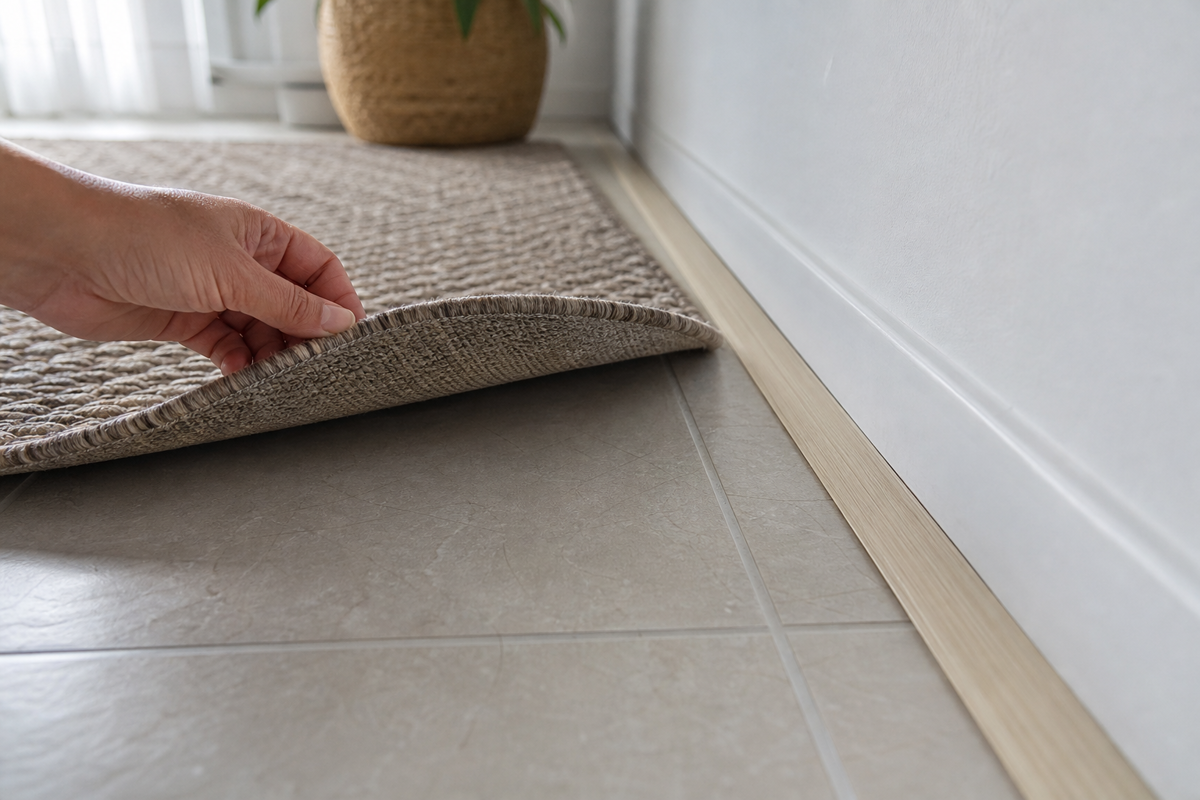
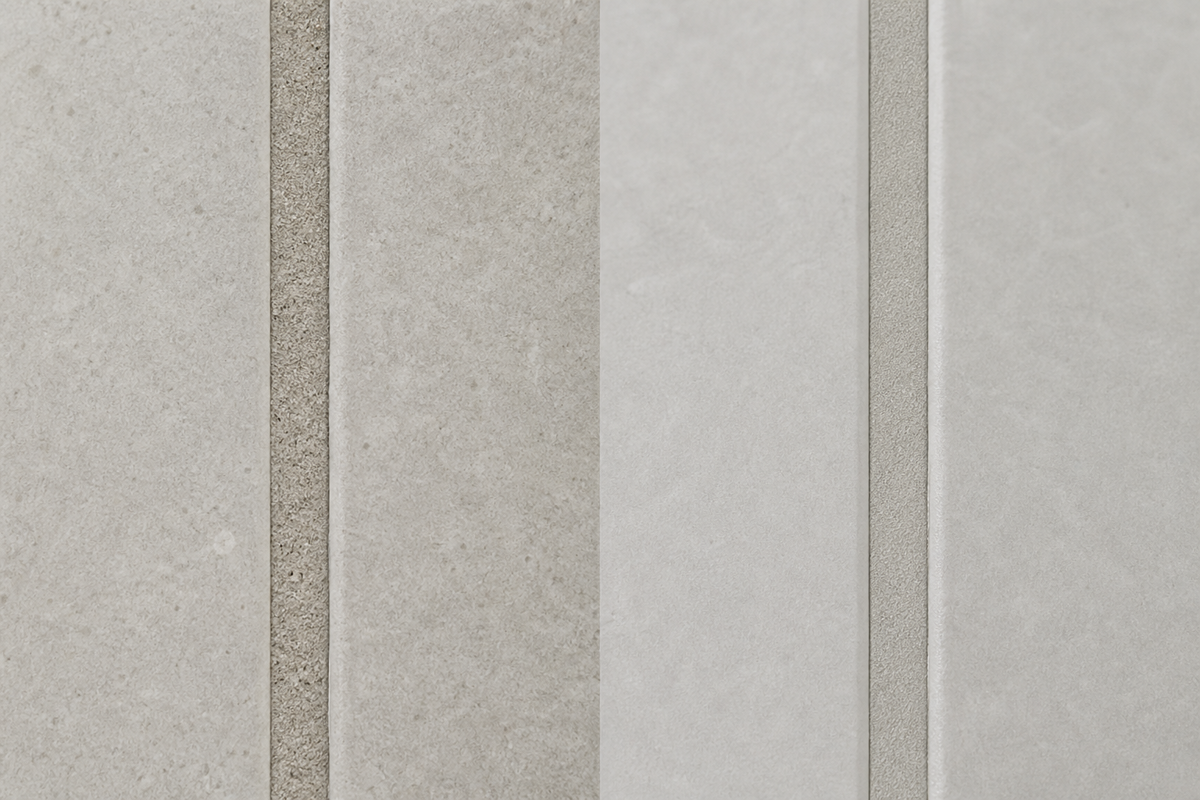
Glazed tile can be relatively non-porous, while cement-based grout joints may absorb more moisture depending on the grout type, condition, and sealer. Liquid can also travel to perimeter joints, baseboards, cracks, or under loose tiles.
That is why a tile-floor accident should be cleaned as a zone, not just as one shiny tile square.
Step 1: Blot the Liquid Before It Spreads
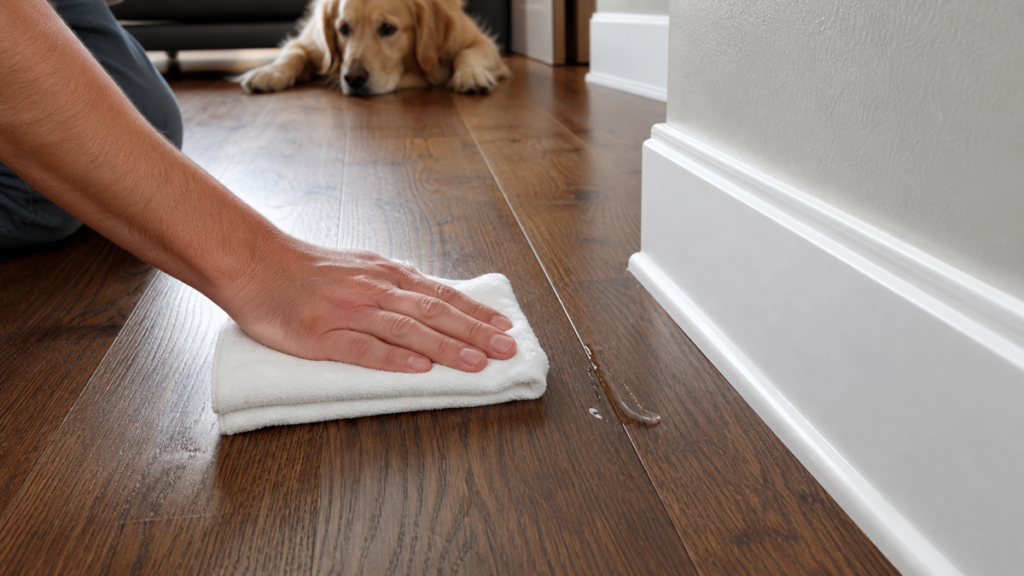
Use clean absorbent towels to remove as much urine as possible. Press into grout joints and along tile edges rather than wiping the liquid across a larger area.
The existing Eco Cln hard-floor vs. carpet pet cleanup guide emphasizes fast removal and edge control on hard floors because liquid can reach seams, baseboards, grout, and gaps.
Step 2: Identify the Tile and Grout
Determine whether the floor is glazed ceramic, porcelain, natural stone, cement tile, another porous material, or a specialty surface. Check whether the grout is cementitious or epoxy and whether it has been sealed.
Daltile notes that grout care and sealing needs vary by grout type, and epoxy grout behaves differently from cementitious grout. Review Daltile grout care.
Step 3: Check the Perimeter and Cracks
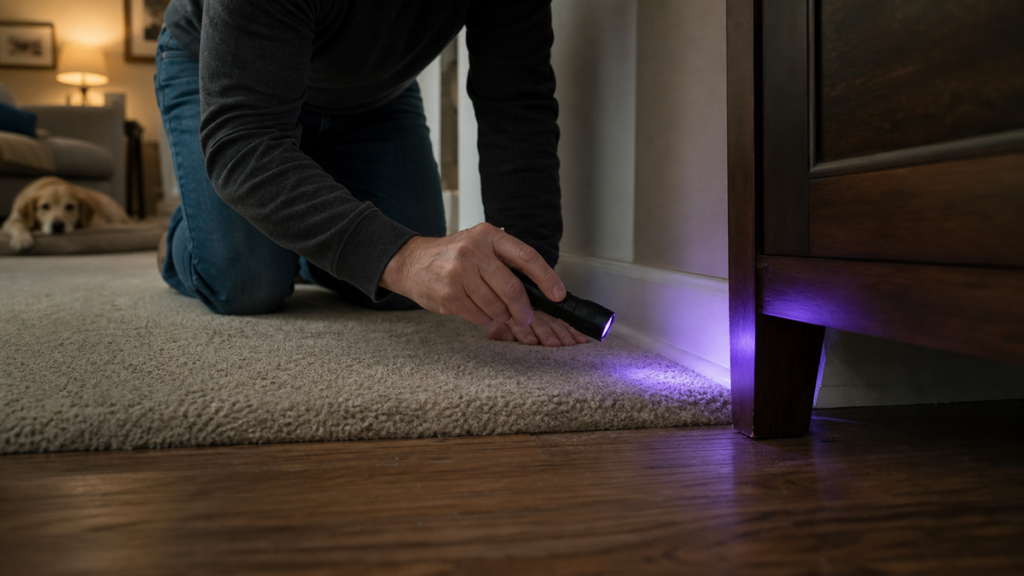
Inspect baseboards, transition strips, cabinet toe kicks, cracked grout, chipped tile, and the edge of rugs or mats. Urine can leave the easy-to-wipe tile surface and collect in a less visible joint.
If the smell is strongest at a wall or underneath loose flooring, surface cleaning may not reach the entire source.
Step 4: Spot-Test PAWS on the Floor Material
The current PAWS product page positions PAWS for pet urine odors, organic stains, hard floors, carpets, rugs, upholstery, pet beds, and repeat accident spots. Test first on specialty surfaces and avoid use on moisture-sensitive or unsealed materials unless the surface maker allows it.
For natural stone or an unknown sealer, follow the flooring manufacturer or installer rather than assuming a pet cleaner is compatible.
Step 5: Apply Controlled Product to the Actual Accident Zone
Apply PAWS according to its directions to the affected tile and grout area. Use enough product to contact the residue without flooding the floor or letting liquid sit in joints longer than necessary.
On a fresh hard-floor accident, wiping and drying matter just as much as dwell time. More liquid is not automatically better.
Step 6: Wipe the Tile and Work the Grout Line Gently
Use a clean cloth or a soft tool appropriate for the tile and grout. Work the grout line gently if residue is visible, but avoid aggressive metal brushes or abrasives that can damage grout, glaze, or stone.
Turn the cloth frequently so you are removing residue rather than spreading it into adjacent grout joints.
Step 7: Remove Residue and Dry Completely
Use a separate clean cloth to remove remaining cleaner in the way the floor-care instructions allow, then dry the tile and grout thoroughly.
Do not cover the area with a rug or pet bed until the grout and floor edges are fully dry.
What If the Urine Smell Comes Back?
Recheck the grout line, floor perimeter, baseboard, rug backing, floor transition, and any cracks. If the odor returns mainly in humid conditions, residue may be deeper in a porous joint or under a nearby material.
Repeatedly flooding the same grout line may make the problem worse. If urine reached unsealed grout, underlayment, subfloor, or loose tile, professional cleaning or repair may be needed.
Cement Grout vs. Epoxy Grout
Cementitious grout is generally more porous and may depend on a sealer for stain and moisture resistance. Epoxy grout is chemically cured and is more resistant to spills and moisture.
Do not assume that every grout line needs the same brush, cleaner strength, or sealing routine. Use the grout manufacturer or tile installer instructions.
Common Tile-and-Grout Pet Accident Mistakes
- Mopping the urine across a larger area before blotting it up.
- Flooding grout lines with cleaner.
- Ignoring baseboards, transitions, cracks, and rug edges.
- Using a hard metal brush or abrasive pad on grout or tile.
- Assuming all natural stone and sealers tolerate the same pet cleaner.
- Making sanitizing, disinfecting, or germ-killing claims for a pet-accident cleaner.
Where PAWS Fits
Eco Cln PAWS is the targeted Eco Cln product for pet urine odors, organic stains, hard floors, carpets, rugs, upholstery, pet beds, and repeat accident spots. On tile and grout, surface compatibility and moisture control matter as much as choosing the right product category.
FAQ
Can pet urine soak into grout?
It can, especially when grout is cement-based, unsealed, cracked, or worn. Grout type and sealer condition affect how much liquid is absorbed.
Can I use PAWS on tile floors?
PAWS is positioned for hard floors and pet accident cleanup. Test the specific tile, grout, and sealer first, especially on natural stone or specialty materials.
Should I scrub grout hard after a pet accident?
Use only a soft tool appropriate for the grout and tile. Aggressive metal brushes or abrasives can damage grout and surface finishes.
Why does the urine smell come back after the tile looks clean?
Residue may remain in grout, cracks, floor edges, rug backing, baseboards, or material below a loose or porous area.
Does PAWS disinfect tile and grout?
This article should not make that claim. PAWS is a pet-accident cleaner for urine odors and organic stains, not a disinfectant or germ-killing product.
The Bottom Line
Blot fresh urine before it spreads, then identify the tile, grout, and sealer. Treat the actual accident zone with controlled product, work the grout line gently, wipe away residue, and dry the floor edges completely. Recheck baseboards, transitions, rug backing, cracks, and loose tile if odor returns. Unsealed cement grout, natural stone, damaged joints, or contamination below the tile may need material-specific professional cleaning or repair instead of repeated flooding.
For pet urine and organic accident residue on compatible sealed hard floors, Eco Cln PAWS is the targeted product. Blot first, treat the actual zone, keep moisture controlled around grout and edges, and dry the floor completely.