
Bathroom Cleaner vs. All-Purpose Cleaner: When Do You Need a Dedicated Bathroom Product?

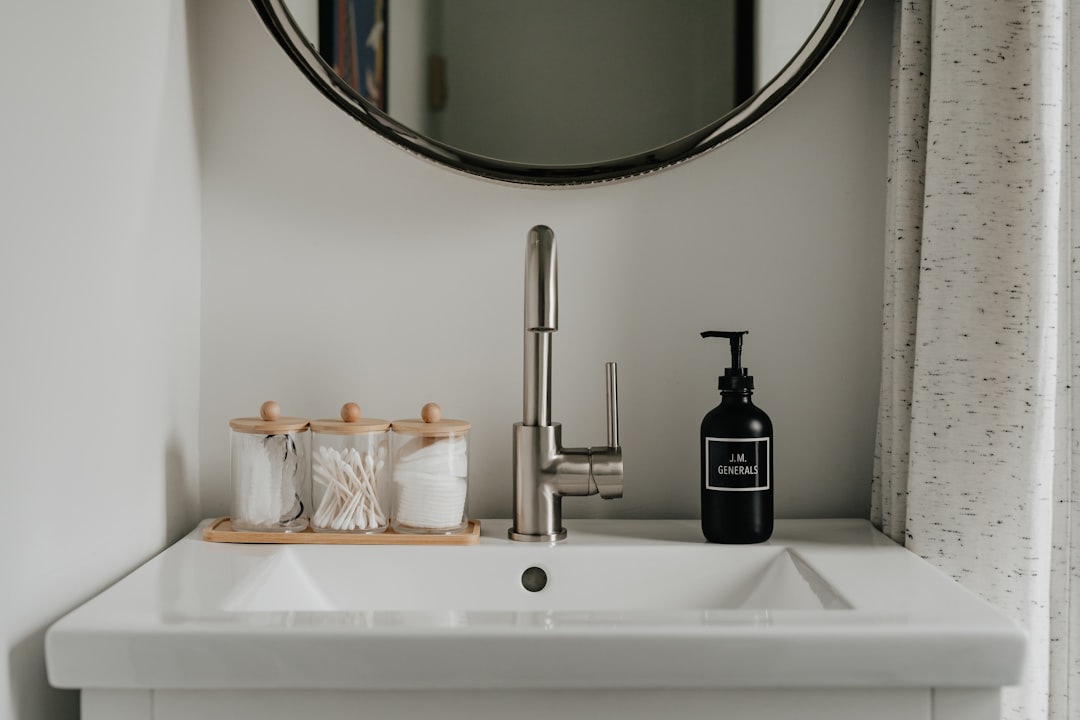
The difference between a bathroom cleaner and an all-purpose cleaner is the mess each is meant to handle. A bathroom-focused product is the better fit for compatible soap scum, mineral-related film and residue around tubs, tile, sinks and fixtures. An all-purpose cleaner is useful for ordinary dust, fingerprints and general grime on compatible washable surfaces.
Neither category is automatically safe for every bathroom material. Acrylic, fiberglass, glazed ceramic, natural stone, chrome, painted cabinetry, laminate and caulk have different limits. Choose by both soil and surface—not by which bottle sounds “stronger.”
Quick Answer
• Choose a bathroom cleaner for compatible soap film, hard-water buildup and damp bathroom grime.
• Choose an all-purpose cleaner for ordinary soil on compatible washable counters, cabinet fronts, shelves and floors.
• Identify the fixture or finish before applying either product.
• Test delicate, coated or specialty materials in a hidden area.
• Use a soft cloth or non-scratch tool and work in small sections.
• Do not assume either cleaner disinfects, sanitizes or removes mold.
• Stop when the problem is etched stone, failed caulk, worn coating or a leak.
Bathroom Cleaner vs. All-Purpose Cleaner at a Glance
Bathroom cleaner
A bathroom cleaner is designed around residue common to wet rooms: soap scum on shower walls, cloudy film on tubs, hard-water deposits around fixtures, toothpaste marks at sinks and damp grime on compatible tile. It earns its place when a general wipe-down smears or leaves this bathroom-specific buildup behind.
All-purpose cleaner
An all-purpose cleaner covers a wider range of routine soil: dust on shelves, fingerprints on washable cabinet fronts, light dirt on compatible counters and everyday grime on floors or doors. It may be the simpler choice when there is no soap film or mineral crust to address.
The practical decision
Look at the residue after the area is dry. Waxy or cloudy film in the shower points toward soap scum. Chalky rings around a faucet often indicate minerals. Loose dust and light hand marks are general soil. Rust, blackened mirror edges, cracked caulk and etched stone are different problems and may not be solved by either cleaner.
Match the Cleaner to the Bathroom Surface
Acrylic and fiberglass
These tub and shower materials can scratch or lose gloss. Use only approved non-abrasive tools and products, and do not treat a stubborn dull patch as permission to scrub harder.
Glazed tile and porcelain
The face may be durable, but grout, caulk, metal trim and decorative coatings beside it can have different restrictions. Keep cleaner out of failed joints and rinse or wipe as the product and surface directions require.
Natural stone
Marble, limestone, travertine and some other stones can react to acidic products. The Natural Stone Institute’s stone-care guidance
recommends mild, non-acidic cleaners for calcium-based stone. Confirm the stone and sealer before using a bathroom descaler or general formula.
Chrome, coated metal and glass
Mineral spots may sit on top of a delicate finish. Use a soft cloth, apply product away from faucet openings and dry promptly. Follow the fixture or glass manufacturer’s instructions for coatings.
Laminate and painted cabinetry
General grime may be an all-purpose job, but seams and raw edges are moisture-sensitive. Spray the cloth rather than the cabinet, wipe lightly and dry around sink cutouts, hinge holes and lower edges.
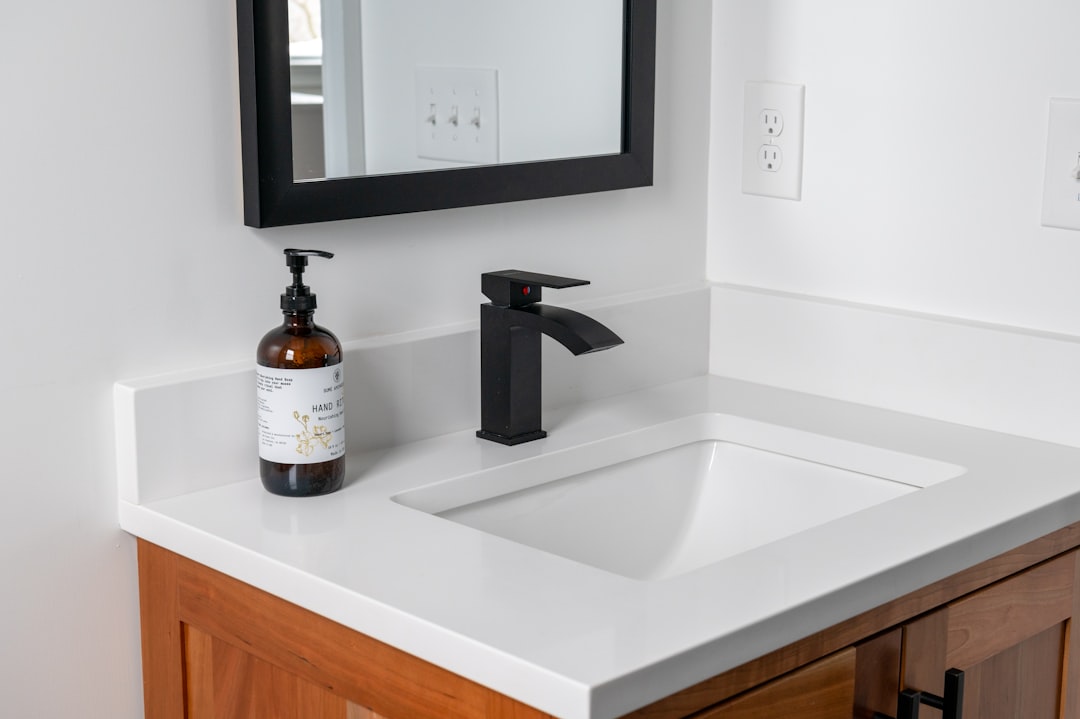
Bathroom Scenarios That Clarify the Choice
Cloudy shower walls and a grimy bathroom door
These are two different jobs even when they are in the same room. Cloudy film on a compatible shower wall may call for a bathroom cleaner designed for soap scum or hard-water-related buildup. Dust and hand marks on a washable painted door are routine soil and may fit a compatible all-purpose cleaner. Clean them as separate zones, with separate cloth faces, so dissolved shower residue is not carried onto paint.
Toothpaste on the sink and mineral crust around the faucet
Fresh toothpaste usually lifts with a controlled routine wipe. The chalky ring beside it may be mineral-related buildup that needs a bathroom-focused product compatible with the faucet and counter. Do not flood the faucet base to chase the ring; liquid can enter seams, loosened caulk or an unsealed sink cutout. Dry the joint and inspect for leakage after cleaning.
Dusty vanity shelves beside a soap-coated basin
An all-purpose cleaner may suit washable shelf faces after loose hair and dust are removed. The basin may need a bathroom cleaner if body-oil and soap film remain after a routine wipe. Remove stored products first, protect raw shelf-pin holes and wipe the basin separately. This avoids spreading bathroom residue into the cabinet interior.
Hard-water spots on glass beside natural-stone trim
The visible deposit may cross two materials with different restrictions. A bathroom product approved for the glass may still be wrong for nearby marble, limestone or another acid-sensitive stone. Shield the stone, apply cleaner to the cloth and keep the treatment inside the confirmed compatible area. If the boundary cannot be controlled, stop and use the stone supplier’s method instead.
A musty joint or dark mark that returns
Repeated discoloration at caulk, grout or a sink rim is not proof that a stronger cleaner is needed. Dry the area and look for cracked sealant, movement, leakage or staining beneath a clear joint. Surface cleaning can remove accessible soil, but concealed moisture or failed material needs inspection and repair. More product can hide the clue while adding moisture to the failure.
Step-by-Step: Choose and Use the Right Bathroom Cleaner
1. Identify the material. Confirm whether the tub, counter, wall, floor or fixture is acrylic, fiberglass, ceramic, porcelain, stone, laminate, painted wood, glass or coated metal.
2. Name the residue.
Check whether it is loose dust, soap film, toothpaste, body-oil grime, a chalky mineral ring, rust, damaged caulk or an etched patch.
3. Remove dry debris.
Pick up hair and dust before adding cleaner. This prevents loose grit from turning into abrasive sludge.
4. Choose the category.
Use a compatible bathroom cleaner for soap scum or hard-water-related buildup; use an all-purpose cleaner for routine washable-surface soil.
5. Check both sets of directions.
The product label and the fixture or material maker must agree. If the surface is unknown, test a hidden area or stop.
6. Apply in a small section.
Put cleaner on the cloth near caulk, faucet holes, cabinet seams and electrical items. Give the product only the contact time stated in its directions.
7. Lift residue gently.
Wipe with a soft cloth or approved non-scratch tool. Turn to a clean section instead of moving released film around.
8. Follow-wipe when required.
Remove cleaner residue with a fresh lightly damp cloth if the product or surface directions call for it.
9. Dry and inspect.
Dry around fixtures, seams and horizontal ledges. Evaluate the result only after the surface reaches its normal dry appearance.
Where Powerhouse Bathroom and Citrus Concentrate Fit
is the focused option for compatible soap scum, hard-water buildup, tubs, tile, sinks, fixtures and everyday bathroom residue. It is ready to use. Test first on delicate finishes, specialty coatings, painted areas, natural stone and unknown materials.
is the dilution-based all-purpose option for compatible washable surfaces and general household grime. The current directions are 1 ounce per quart of water for light-duty cleaning, 2 ounces per quart for all-purpose cleaning and 8 ounces per quart for heavy-duty cleaning. The heavier mix is not a substitute for confirming surface compatibility.
For the residue decision itself, read why soap scum keeps coming back
. For the broader role of a general cleaner, the all-purpose cleaner uses and limits guide
explains where a versatile formula belongs—and where a specialty product or material-specific method makes more sense.
Common Bathroom-Cleaner Mistakes
• Choosing by marketing strength instead of residue and material.
• Using an abrasive pad on acrylic, fiberglass, chrome or a glossy coating.
• Applying acidic cleaner to unidentified natural stone.
• Flooding cabinet edges, grout cracks or failed caulk.
• Spraying around outlets, switches or electric grooming tools.
• Mixing products or layering a second cleaner over the first.
• Assuming a bathroom cleaner disinfects or kills mold.
• Scrubbing etched or worn material as if it were dirt.
When a Dedicated Bathroom Product Is Not the Answer
A loose faucet, leaking sink rim, cracked grout, failed caulk, swollen laminate, worn tub coating or etched stone needs repair or material-specific restoration. A bathroom cleaner can remove compatible residue from the accessible surface; it cannot rebuild sealant or reverse damage.
If the stain appears below clear caulk, behind tile or inside a coating, stop adding liquid and ask the relevant installer or repair professional to evaluate it.
Frequently Asked Questions
Can I use an all-purpose cleaner in the shower?
Only if its directions and the shower material allow it. It may handle ordinary grime but may be less suited to soap scum or mineral-related buildup.
Do I need bathroom cleaner for a sink counter?
Use it when the compatible counter has bathroom-specific residue. For light dust or fingerprints, a compatible all-purpose cleaner may be enough.
Can bathroom cleaner be used on natural stone?
Do not assume so. Identify the stone and sealer, then follow the stone supplier and product directions; acid-sensitive stone needs special care.
Is bathroom cleaner a disinfectant?
Not automatically. Do not treat cleaning, sanitizing and disinfecting as interchangeable claims. Use only a product whose current label supports the task.
Why does soap scum return so quickly?
Soap residue, body oils and minerals are redeposited during bathing. Better rinsing, drying and ventilation can slow the visible film.
Can I make Citrus Concentrate stronger for stubborn buildup?
Use only the published dilution for the job. The current heavy-duty mix is 8 ounces per quart, and the bathroom material still must be compatible.
The bottom line
Choose a bathroom cleaner for compatible soap scum and mineral-related buildup, and choose an all-purpose cleaner for routine grime on compatible washable surfaces. Powerhouse Bathroom and Citrus Concentrate occupy those separate lanes. Identify the material, follow both directions and recognize damage before stronger scrubbing makes it worse.
Photo credits: Clay Banks, Andrea Davis, Tina Witherspoon via Unsplash.