

How to Clean Everyday Dirt and Scuff Marks From Washable Hard Surfaces

A scuff can be transferred rubber, hand grime, dirt, cleaner residue, or actual finish damage. Start with the least aggressive compatible method and stop if the surface gets shinier, duller, softer, or loses color.
How Often Should You Clean Windows and Mirrors?
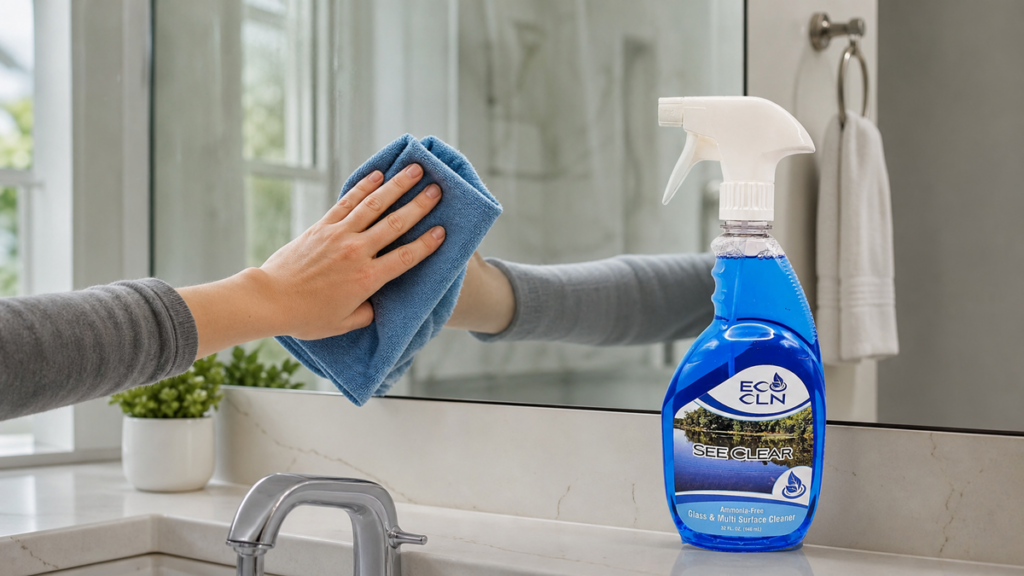
Mirrors usually need attention more often than full windows because fingerprints, toothpaste mist, and sink splashes show immediately. Windows can be spot-cleaned as needed and given a more complete glass, frame, track, and screen cleaning seasonally.
Kitchen Grease Cleaning Schedule: What to Wipe Daily, Weekly and Monthly
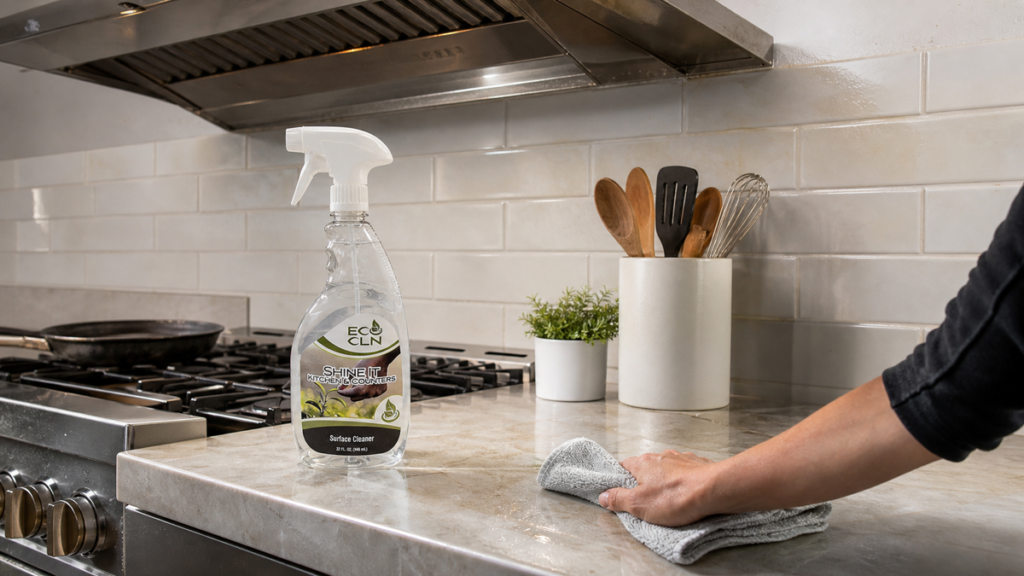
Kitchen grease is easiest to remove before it turns sticky. Wipe high-splatter areas after cooking, clean grease-catching surfaces weekly, and inspect hidden buildup and ventilation components on a monthly or manufacturer-defined schedule.
How to Remove Ink and Marker Stains From Carpet Without Making Them Bigger
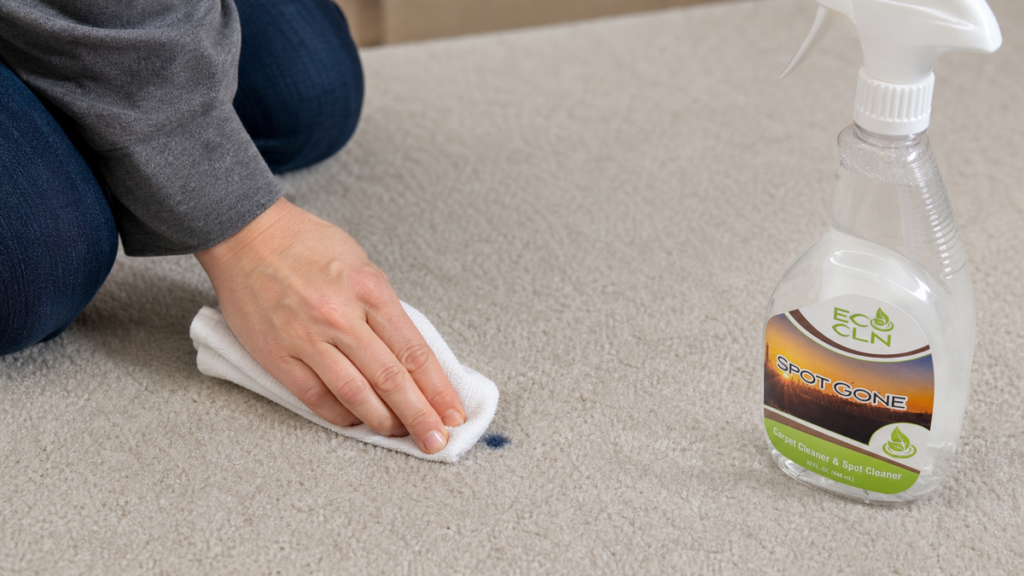
Ink spreads fast because liquid pigment follows moisture through carpet fibers. The wrong move is soaking or rubbing the center. Keep the wet zone small, blot from the outside in, and know when permanent ink needs a solvent-type professional treatment.
Why Bathroom Mildew Keeps Coming Back: Moisture, Ventilation and Cleaning
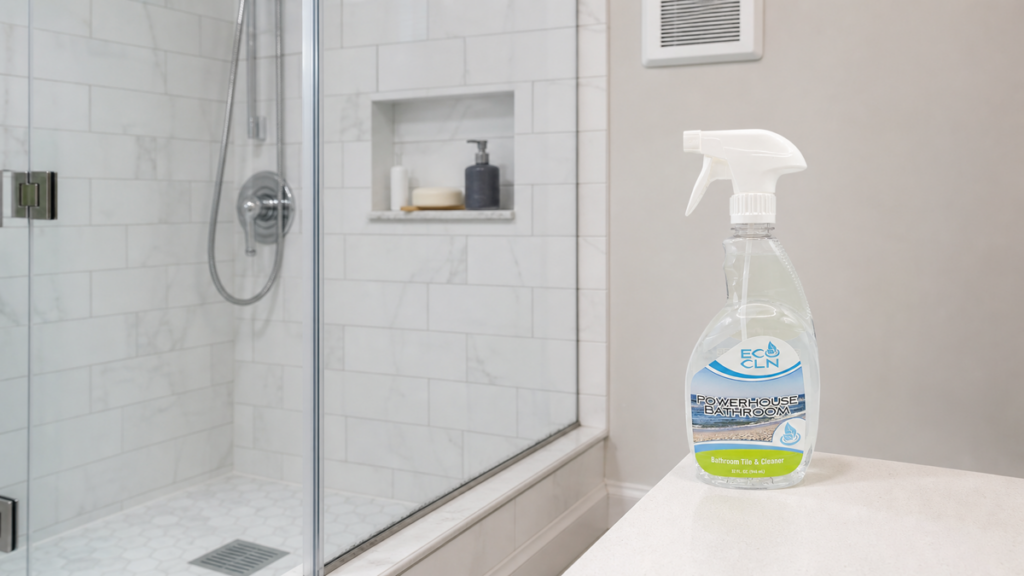
If dark or mildew-looking bathroom growth keeps returning, stronger cleaner is not automatically the answer. Recurrence usually points to a moisture problem, slow drying, condensation, poor ventilation, leaks, or porous material that stays damp.
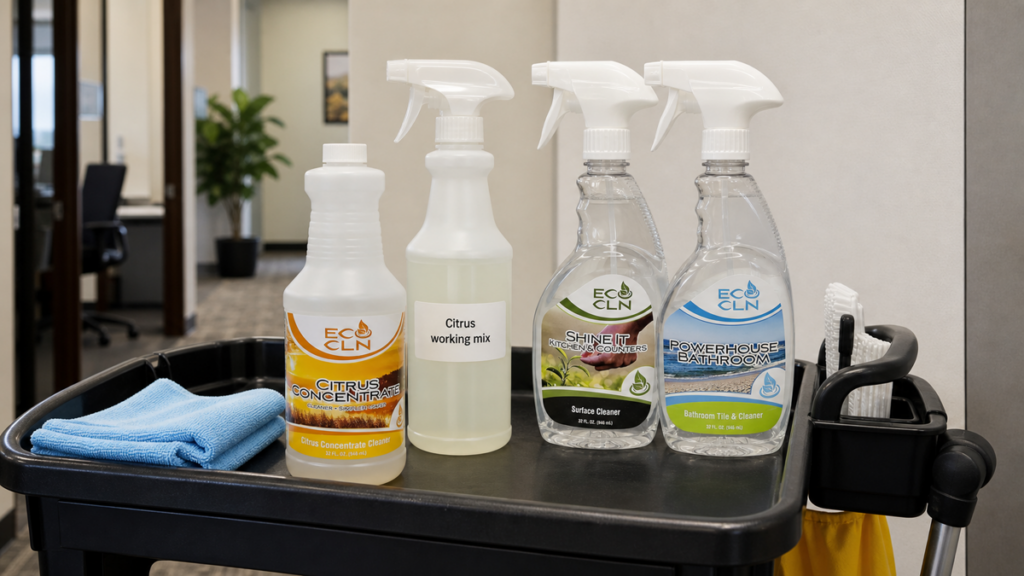
Concentrated Cleaner vs. Ready-to-Use Cleaner for Offices and Small Businesses
Concentrate and ready-to-use cleaner solve different operational problems. Concentrate reduces the amount of base product you store and lets you choose strength; ready-to-use bottles reduce measuring and training steps for targeted tasks.
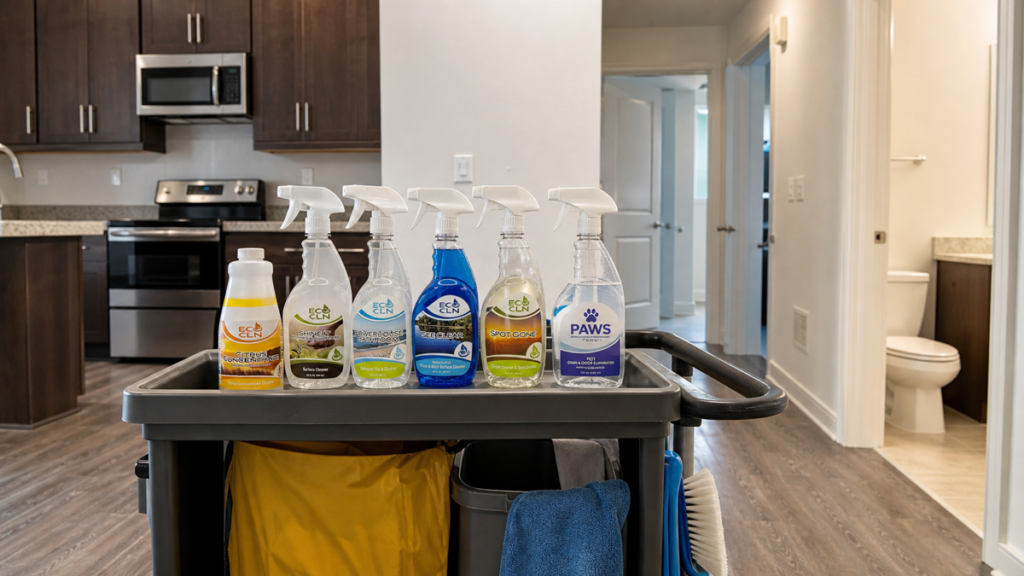
Rental Turnover Cleaning Checklist for Landlords and Property Managers
A good rental turnover is inspection first, cleaning second. Photograph damage, separate repair items from cleanable soil, work high to low, and finish with floors so the next tenant receives a clean unit without hiding maintenance problems under fresh cleaner.
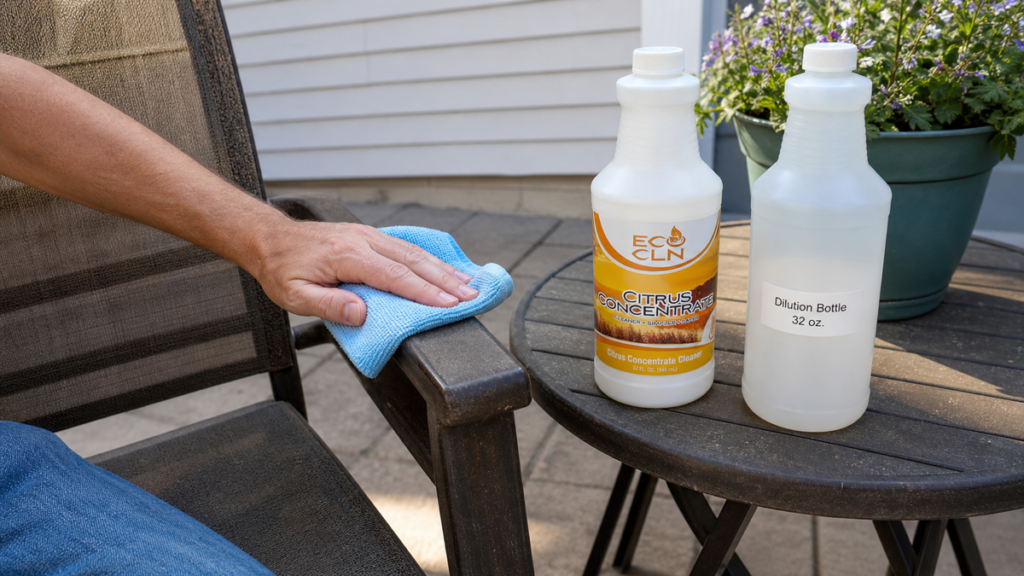
How to Clean Patio Furniture After Pollen, Dirt and Outdoor Grime
Patio furniture collects pollen, dust, bird debris, road film, sunscreen, food residue, and weathered grime. The safe cleanup depends on whether the furniture is plastic lumber, painted metal, aluminum, sealed wood, wicker, or outdoor fabric.
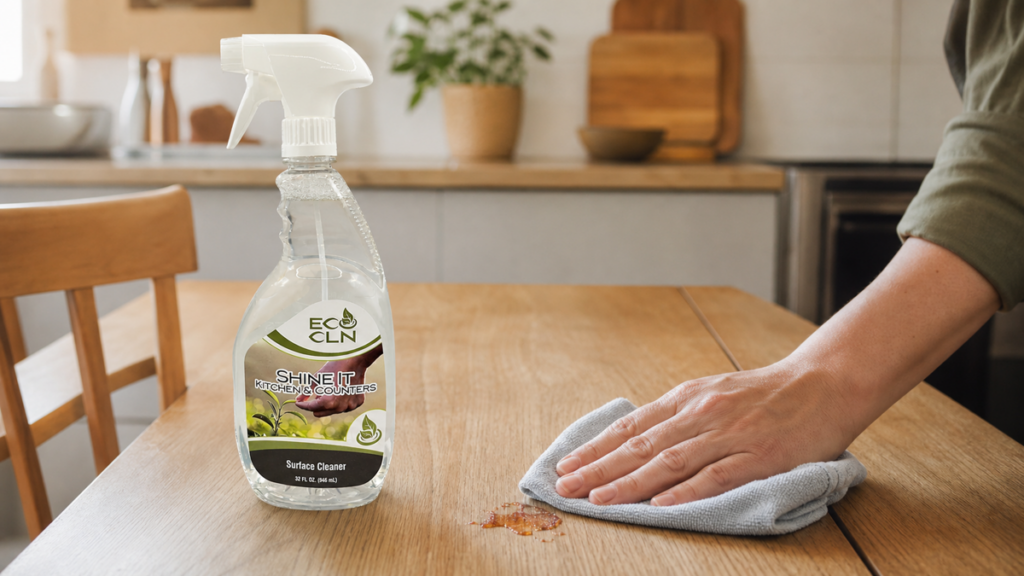
How to Clean Sticky Food Residue From a Kitchen Table
Dried syrup, sauce, juice, jam, grease, and food film can make a table stay tacky after a normal wipe. The right method depends on whether the tabletop is sealed wood, veneer, laminate, glass, stone, or another finish.
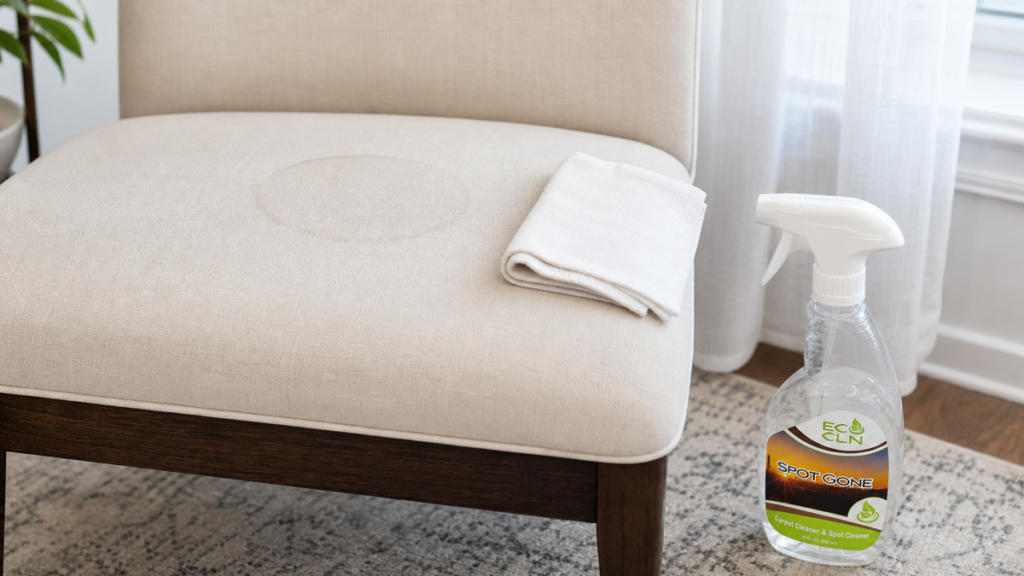
Why Upholstery Gets Water Rings After Spot Cleaning
A water ring after spot cleaning is usually a drying boundary. Moisture, cleaner, soil, dye, or dissolved residue moves to the edge of the wet area and dries there, making the treatment outline more visible than the original stain.