
How to Clean Pet Urine From Carpeted Stairs and Stair Edges

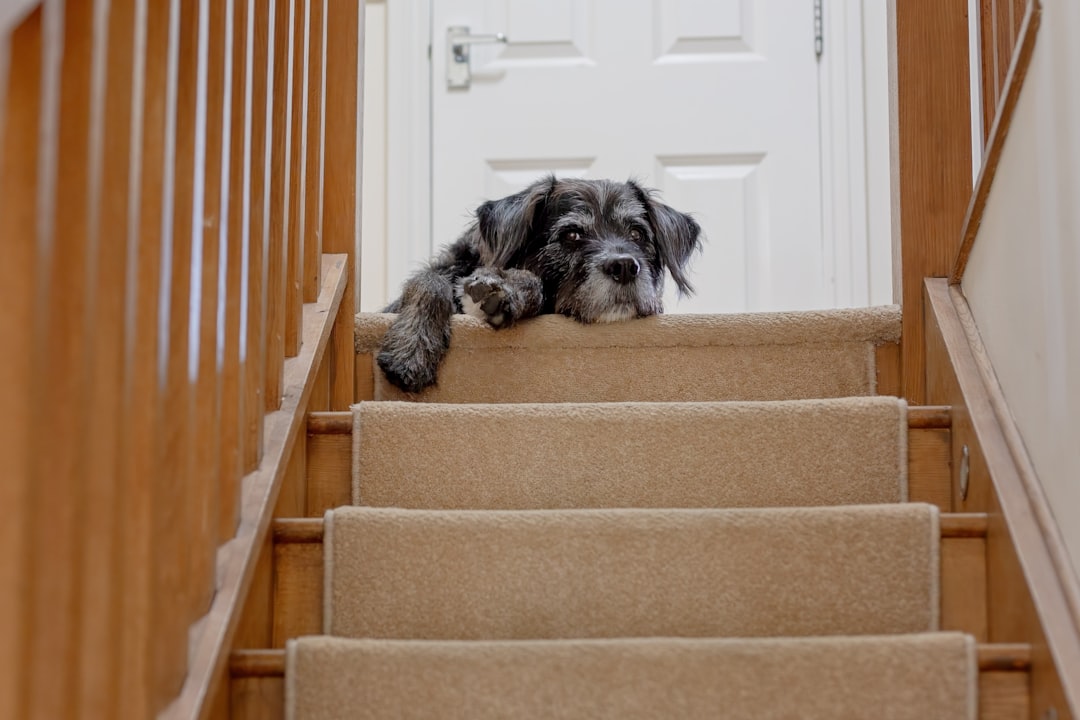
To clean pet urine from carpeted stairs, block access, blot the wettest point first and inspect the tread edge, riser, wall stringer and seam below it. Apply a compatible pet-accident cleaner in controlled amounts, blot instead of scrubbing and dry the stair fully before deciding whether odor remains.
Stairs are harder than flat carpet because liquid follows gravity. A spot on the tread can reach the rounded nosing, vertical riser, tucked carpet edge, tack strip or wood beneath. Treat the whole path without flooding the construction.
Quick Answer
• Keep people and pets off the staircase while it is wet.
• Blot the tread from the outer edge toward the wettest area.
• Check the nosing, riser, wall edge and stair directly below the accident.
• Confirm the carpet fiber, dye stability and backing before treatment.
• Apply a compatible cleaner in small controlled passes.
• Press clean towels into the pile; do not scrub across the stair.
• Dry with normal airflow and inspect again after the backing is dry.
• Seek deeper treatment if odor returns from the edge or padding.
Why Pet Urine Spreads Differently on Stairs
Gravity can carry urine over a tread’s rounded front edge and down the riser. On waterfall-style carpet, the same carpet bends around the nosing; on cap-and-band installation, separate pieces meet at a tucked joint. Both designs create hidden routes into backing, staples, tack strips and wood.
The wall side deserves special attention. Liquid can collect where carpet meets a painted stringer or baseboard, then wick into raw wood or fiberboard. A strong smell on the lower stair may come from runoff rather than a second accident.
The Carpet and Rug Institute’s technical bulletin on pet urine and carpet
emphasizes prompt blotting and material-appropriate treatment. On stairs, prompt work also reduces how far liquid can travel vertically.
What to Check Before Treating the Stair
Identify the installation style and any loose edges. Note wool, nylon, polyester, olefin or unknown fiber; specialty carpet and unstable dyes need manufacturer or professional guidance. Test the cleaner on a hidden carpet edge and let it dry before treating the visible tread.
Gather white absorbent towels, a small controlled applicator, clean cloths, a flashlight and a fan positioned safely away from the walking path. Do not stretch an electrical cord across the staircase. Never mix cleaners, and remove residue from a previous product only as the carpet instructions permit.
Look for pulled carpet, exposed tack-strip points, loose nosing or a slippery handrail before starting. Fix or isolate safety hazards rather than working around them on a damp stair.
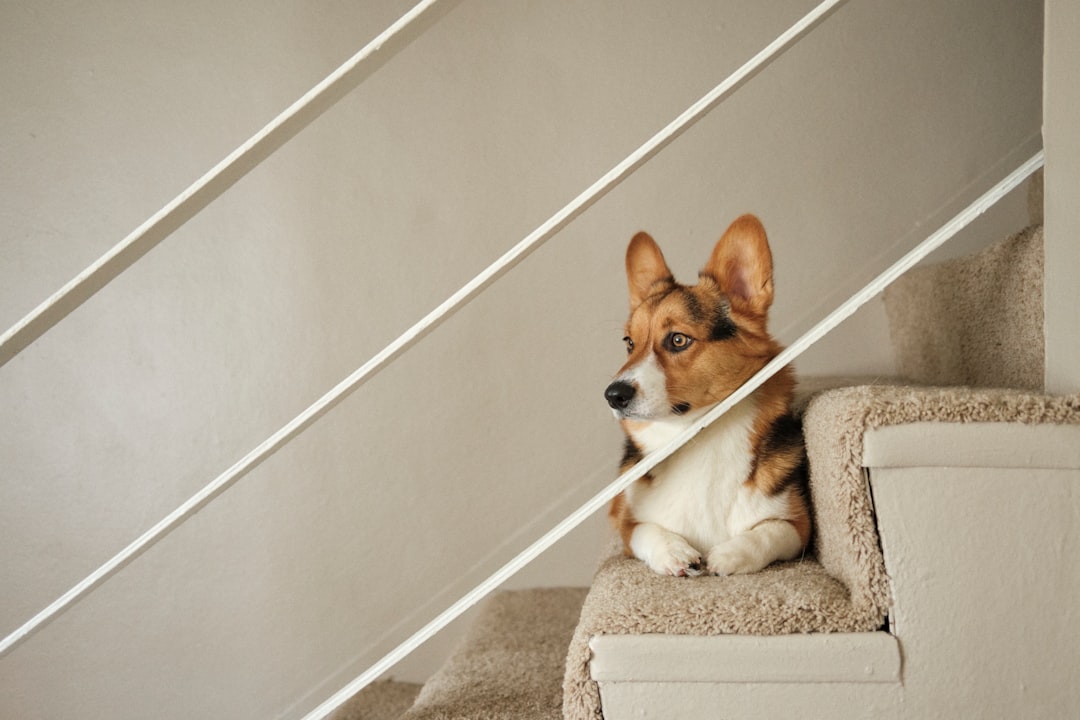
Step-by-Step: Clean Pet Urine From Carpeted Stairs
1. Close the staircase. Use a safe alternate route if available and prevent people or pets from stepping on the accident or wet treatment area.
2. Blot the tread first.
Place folded white towels at the outside boundary, then press into the wettest area. Lift and replace them; do not rub urine through the pile.
3. Trace the downhill path.
Inspect the nosing, riser, wall edge, baluster side and the tread below. Use side lighting to find dampness or color change.
4. Test the carpet.
Apply the intended product to a hidden spot. After drying, check for dye transfer, texture change, rings or adhesive effects.
5. Treat the tread in small passes.
Apply a compatible pet-accident cleaner according to its current directions. Work from the visible boundary inward without saturating the entire stair.
6. Detail the nosing and riser.
Hold a dampened cloth against the curved edge or vertical face, then blot. Avoid spraying upward or allowing liquid to run behind tucked carpet.
7. Press out moisture.
Use fresh towels and firm downward pressure. On the riser, support the towel so loosened residue does not drip onto the lower tread.
8. Make any required follow-treatment.
Follow the product and carpet maker’s directions exactly. Do not improvise extra rinses or stronger mixtures near backing and tack strips.
9. Dry the full stair.
Promote normal airflow without placing cords or equipment where someone can trip. Keep the stair closed until pile, backing and edges are dry.
10. Recheck after drying.
Smell and inspect the tread, nosing, riser and lower stair. If odor returns from the edge, assume the accessible pile may not be the whole source.
Where Eco Cln PAWS Fits
is the ready-to-use Eco Cln option for pet urine, organic accident residue and odor-causing material on compatible carpet and rugs. Blot first, test a hidden area, apply it according to the current directions and avoid oversoaking stair backing or edges.
PAWS can treat the accessible carpet fibers when it reaches the same zone as the accident. It cannot promise to reach urine sealed beneath tack strips, padding or stair construction. The guide to dried dog urine smell in carpet
explains why older residue can need repeated controlled treatment, while the baseboard urine guide
covers a common stair-edge spill route.
Common Carpeted-Stair Cleaning Mistakes
• Treating only the center of the visible tread spot.
• Scrubbing side to side and spreading urine across more pile.
• Pouring cleaner over the nosing to reach the riser.
• Ignoring the stair below the original accident.
• Flooding the tack-strip or wall edge.
• Walking on the damp stair and transferring residue.
• Running a fan cord across the path.
• Judging odor while carpet backing is still wet.
When Surface Treatment Is Not Enough
Persistent odor at the tucked edge, movement underfoot, darkening wood, loose carpet or a rusty fastener line can indicate contamination or moisture below the pile. Repeatedly soaking the top will not reliably reach or remove that hidden source.
A carpet-cleaning or flooring professional may need to lift a controlled section, evaluate padding or stair wood and reinstall the carpet safely. Damaged tack strips and loose stair coverings are also safety problems, not just cleaning problems.
Frequently Asked Questions
Can urine run from one carpeted stair to another?
Yes. It can cross the nosing, move down the riser or follow the wall edge to the stair below.
Should I scrub a carpeted stair with a brush?
Usually not. Scrubbing can spread residue and distort pile. Blot and use only a carpet-approved tool when directions permit it.
How much cleaner should I use?
Use the amount specified by the current product directions and only within the affected area. More liquid can push urine into backing and wood.
Why does the stair smell again after it dries?
Urine may remain in the backing, padding, tucked edge, tack strip or stair material. Recheck the downhill path instead of flooding the tread again.
Can PAWS be used on wool stair carpet?
Only if the carpet maker and product directions allow it and a hidden-area test passes. Specialty fibers deserve material-specific guidance.
When should I call a carpet professional?
Call when odor returns from below, multiple stairs are affected, carpet is loose, dyes are unstable or the accident reached padding or wood.
The bottom line
Blot pet urine from the carpeted tread, follow its downhill path across the nosing and riser, and use PAWS only in controlled amounts on compatible carpet. Dry the entire stair before judging the result. Odor beneath an edge or tack strip calls for deeper evaluation—not a wetter surface pass.
Photo credits: Natalie Kinnear, Brandon Cormier, Loren Cutler via Unsplash.