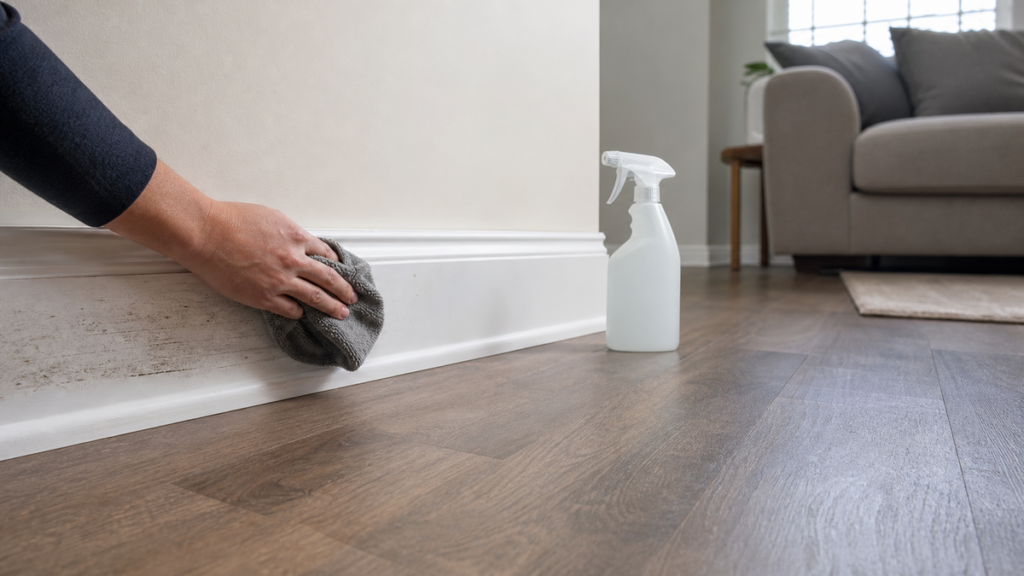
How to Clean Fingerprints and Everyday Grime From Painted Walls

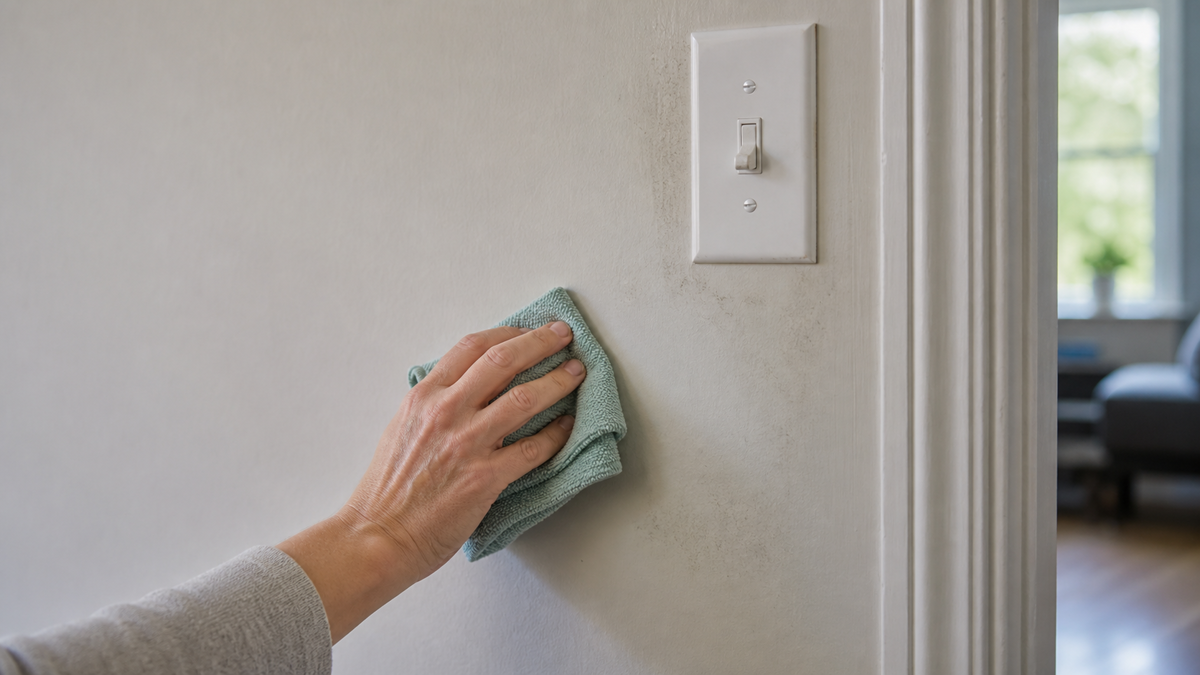
Quick Answer
For fingerprints and ordinary grime on a washable painted wall, start by dusting the surface, then test your cleaning method in a hidden area. For light everyday soil, Eco Cln Citrus Concentrate can be mixed at the current light-duty rate of 1 oz concentrate per quart of water. Apply the diluted cleaner to a soft microfiber cloth rather than soaking the wall, wipe gently in a small section, follow with a separate clean damp cloth when the paint instructions allow it, and dry the area.
Paint finish matters. Flat and matte walls are usually less tolerant of scrubbing than satin, semi-gloss, or gloss finishes. Fresh paint may also need curing time before washing. If you know the paint brand or coating, follow its care instructions first.
Why Painted Walls Get Dirty in Predictable Places
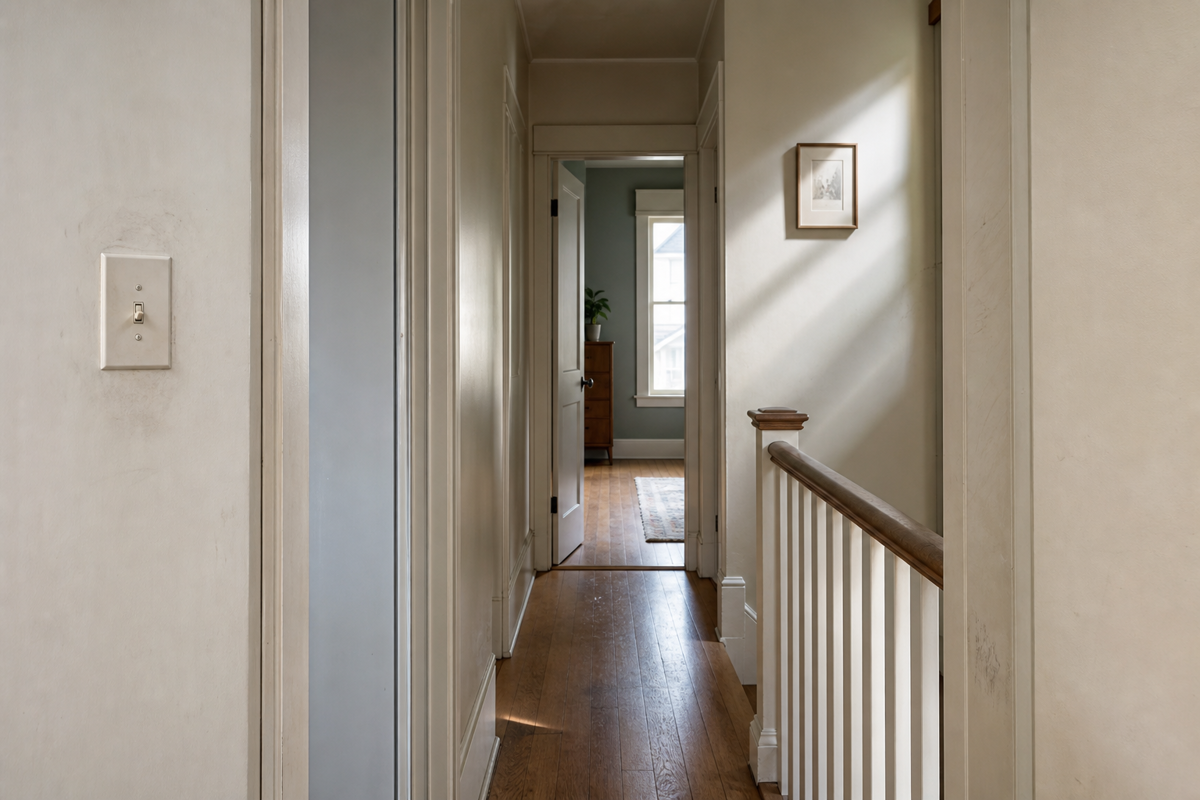
Most walls do not get equally dirty from ceiling to floor. Fingerprints build around light switches, door frames, stair rails, thermostat areas, hallway corners, and the height where hands naturally touch. Dust settles on wall texture, while cooking film, pet contact, shoe scuffs, and furniture rub marks create darker zones in high-traffic rooms.
That is useful because it means you usually do not need to wet-clean an entire room. Targeted cleaning is easier on the paint and less likely to create visible differences in sheen.
Step 1: Check the Paint Before You Clean
Look at the wall from an angle. Is the finish flat, matte, eggshell, satin, semi-gloss, or gloss? Are there worn shiny patches, peeling areas, touch-ups, or old water marks? A wall that is already damaged should not be scrubbed harder just because it looks dirty.
Sherwin-Williams says non-abrasive cleaning and an inconspicuous test are important for painted surfaces, and its wall-care guidance notes that flat and matte finishes need a lighter touch than higher-sheen finishes. Review Sherwin-Williams painted-wall guidance.
If the paint is recent, check the coating manufacturer’s cure-time instructions before washing it. A surface can feel dry long before it reaches full washability.
Step 2: Remove Dust Before Adding Moisture
Use a clean microfiber duster, soft vacuum brush, or dry cloth to remove loose dust and cobwebs. This prevents dry dust from turning into gray streaks when cleaner is added.
Pay attention to wall corners, the top of baseboards, trim edges, and the area above radiators or vents, where dust can collect heavily.
Step 3: Mix Citrus for a Light Everyday Job
For routine fingerprints and light wall grime, start with the light-duty Citrus mix: 1 oz Citrus Concentrate per quart of water. The current Eco Cln dilution guide uses 1 oz for light-duty cleaning, 2 oz for all-purpose cleaning, and 8 oz for heavy-duty cleaning. Painted walls are a good reason to begin with the lowest strength that makes sense instead of jumping straight to a heavy mix.
Add water first, then concentrate. Label the bottle. Do not apply Citrus dilution rates to other Eco Cln cleaners; those directions are specific to Citrus Concentrate.
Step 4: Spot-Test the Wall
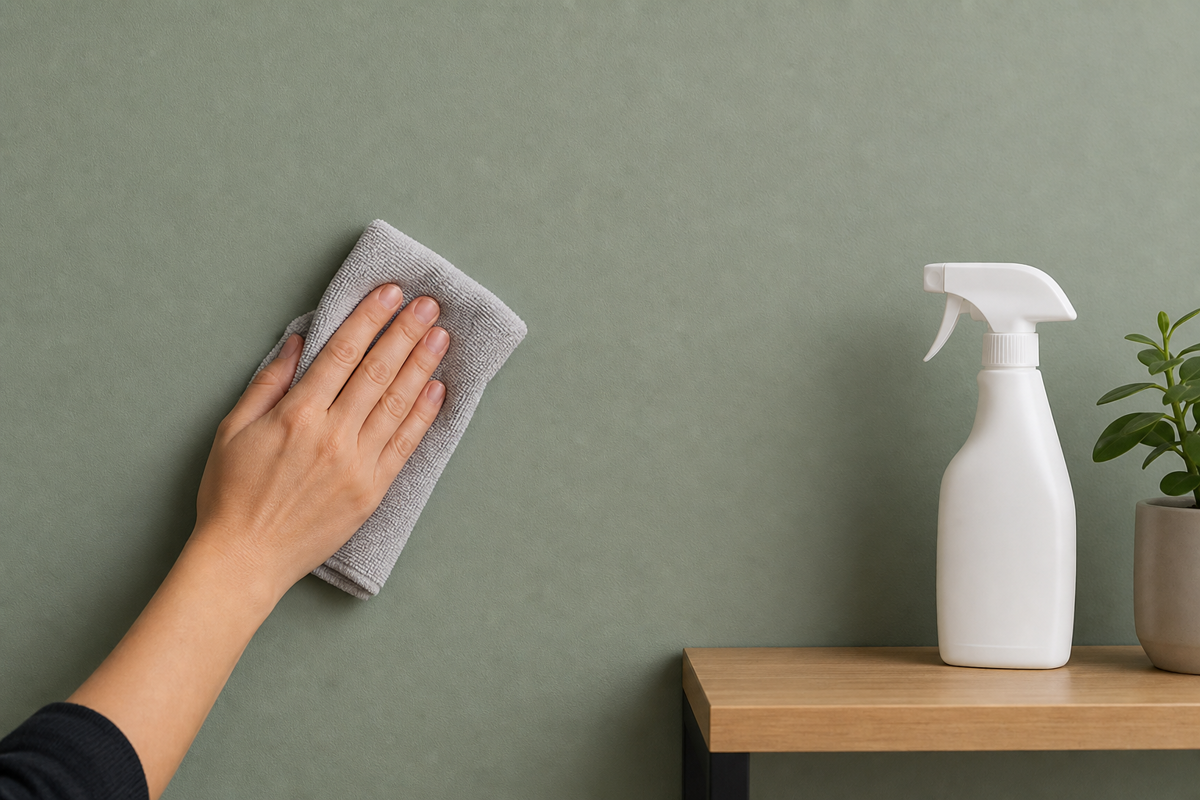
Choose a hidden spot behind furniture, near the bottom of the wall, or inside a closet. Dampen a clean microfiber cloth with the diluted cleaner and wipe lightly. Let the test area dry completely.
Watch for color transfer, dulling, a shiny burnished patch, softening, or a water mark. If the appearance changes, stop and use the paint manufacturer’s approved method instead.
Step 5: Apply Cleaner to the Cloth, Not the Whole Wall
A controlled cloth gives you much better moisture control than spraying a large wall section. Lightly dampen the microfiber cloth with the cleaner and wring or fold it so the wall is not dripping.
Work on a small area around the fingerprint or grime. Use gentle pressure. The goal is to lift soil from the paint film, not polish the wall with friction.
Step 6: Work in Small Sections and Watch the Sheen
Wipe a small section, then step back and look at it from an angle. If the cleaned spot is becoming shinier than the surrounding wall, you may be burnishing a flat or matte finish. Stop before the texture or sheen changes further.
Turn the cloth often. A dirty cloth can move skin oils and gray soil from one part of the wall to another.
Step 7: Remove Remaining Cleaner and Dry
If the paint care instructions allow a damp final wipe, use a second clean cloth lightly dampened with water to remove remaining cleaner. Do not flood the wall. Finish with a dry microfiber cloth or allow the small area to air dry completely.
Cleaner left on a wall can dry into a faint film, especially on darker or lower-sheen paint. A clean final pass helps prevent that.
What About Scuff Marks?
A scuff can be surface transfer, or it can be actual damage to the paint. Start with the same mild method. If the mark does not move with gentle cleaning, do not keep escalating pressure until the wall turns shiny.
Deep scratches, chipped paint, and worn spots need touch-up paint, not stronger cleaner.
Common Mistakes That Damage Painted Walls
- Scrubbing a flat or matte wall with a rough sponge or abrasive pad.
- Spraying the wall until cleaner runs down into trim, outlets, or flooring.
- Using a heavy-duty mix when a light-duty mix would handle the fingerprints.
- Cleaning fresh paint before the coating has reached adequate cure and washability.
- Using one dirty cloth across an entire hallway or room.
- Trying to clean away peeling paint, water damage, or worn finish.
Where Citrus Concentrate Fits
Eco Cln Citrus Concentrate is a dilution-based all-purpose cleaner for everyday household cleaning, washable walls, floors, counters, grease, and larger cleaning jobs when mixed and used as directed. Painted finishes should always be tested first, and the paint manufacturer’s instructions take priority if they are more restrictive.
FAQ
What is the safest way to clean fingerprints from a painted wall?
Start dry, use a soft microfiber cloth, test a hidden area, and use the mildest compatible cleaner with controlled moisture. Avoid aggressive scrubbing.
Can I use Citrus Concentrate on painted walls?
Eco Cln lists walls among appropriate washable surfaces when the surface instructions support wet cleaning. Use the correct dilution, spot-test first, and follow the paint manufacturer’s care instructions.
What Citrus dilution should I start with for fingerprints?
For light everyday soil, start with the current light-duty dilution: 1 oz Citrus Concentrate per quart of water. Increase only if the surface and job justify it.
Why did my wall turn shiny where I cleaned it?
You may have burnished a flat or matte finish by rubbing too hard. Stop scrubbing; cleaning cannot restore a changed paint sheen.
Can I clean a wall right after it was painted?
Fresh paint needs curing time before it reaches full washability. Check the specific paint manufacturer’s instructions before washing.
The Bottom Line
For fingerprints and ordinary grime on a washable painted wall, remove dust first and test a hidden area. Start with the light-duty Citrus mix of 1 oz per quart, apply it to soft microfiber instead of spraying the wall, wipe with light pressure, and dry the small section. Stop if color transfers or the sheen changes, especially on flat or matte paint. Eco Cln Citrus Concentrate can support routine cleanup on compatible washable walls, but worn, chipped, or burnished paint needs repair rather than stronger cleaner.
For fingerprints, smudges, and everyday grime on compatible washable walls, Eco Cln Citrus Concentrate gives you a dilution-based cleaner that can be mixed light for routine cleaning instead of using more concentrate than the job needs.